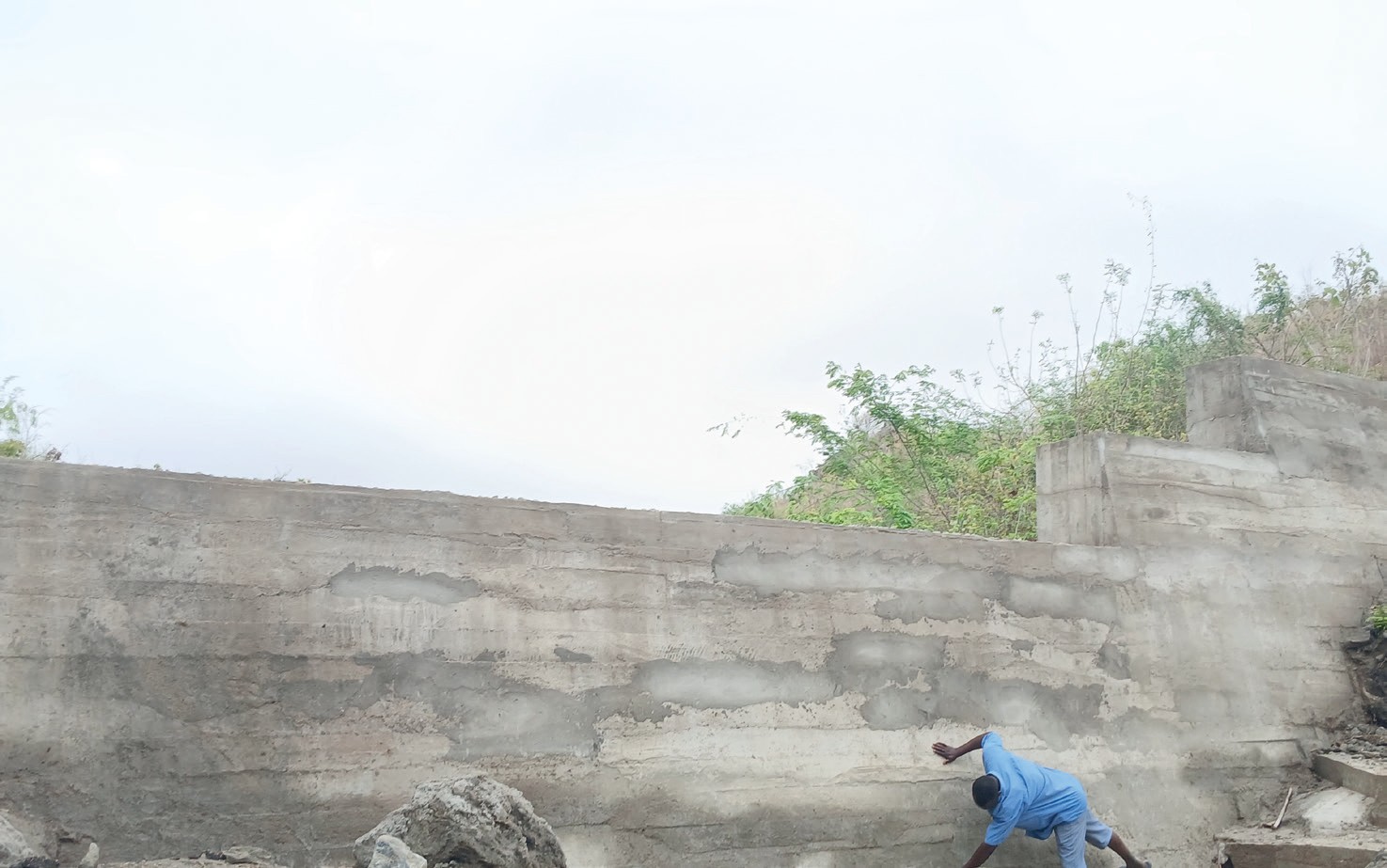
For decades, residents of the semi-arid Samson Village in Neno District experienced acute water shortages, with boreholes either producing little water or drying up completely during the dry season.
As a result, women and girls in this part of Traditional Authority (T/A) Symon were forced to risk their lives by drawing murky water from the crocodile-infested Shire River. Some lost their lives to predator attacks while searching for water.
Enette Kameko, 41, says that from May to October, families depended on the river water for bathing, cooking, washing dishes, drinking, and other household uses.
“This dirty water worsened our vulnerability to waterborne diseases such as cholera and diarrhoea,” she says.
Esther Sandalamu of Chatenga Village in T/A Mlauli recalls spending most of her small income from farming on hospital visits, particularly for her four children.
“Crop yields have been dwindling due to the effects of climate change, leaving us with little money. Yet I had to visit the hospital frequently because of my children’s water-related illnesses, which kept us trapped in poverty,” she says.
Kameko adds that women spent many hours fetching water instead of caring for their families or engaging in small-scale businesses. The exhausting trips to the river also affected girls’ school attendance through late arrivals or absenteeism, contributing to high dropout rates among girls in the area.
However, this has now changed. Women and other residents in the hilly district no longer provide their families with unsafe water from the Shire River, as clean and safe water from boreholes is now available throughout the year.
In 2023, Churches Action in Relief and Development (Card) constructed sand dams—rainwater harvesting technology—across the seasonal sandy riverbeds of Chitimbe and Mulikandodo. The technology stores water and provides communities with potable water throughout the dry season.
Today, residents view the Shire River primarily as a resource for irrigation farming along its banks during the dry season, rather than a source of household water.
Kameko says access to clean water from the boreholes has brought peace of mind.
“There are no longer long, tiring trips to fetch water from the river. We now have enough time to take care of our families, and children—especially girls—attend school as required,” she says with a smile.
Sandalamu adds that cases of waterborne diseases have virtually disappeared.
“We are safer than ever before. This water has improved sanitation and hygiene. The initiative is our source of good health and well-being,” she says.
Mateyu Benard, a lead farmer in Chatenga Village, commends Card, with funding from Sand Dams Worldwide, for transforming their lives.
“Safe and clean water is life. We are happy because this initiative also provides enough water for irrigation and reliable drinking points for our livestock, which is crucial for our sustainable development,” he says.
The communities have committed to protecting the structures to ensure their sustainable use.
Group Village Head Samson says the intervention has triggered a surge in development projects in the area.
“We now have more time for productive activities. This progress will be sustained because the future is bright, with children going to school and learning instead of constantly falling sick,” he says.
Card project officer Alfred Matsimbe says the organisation is pleased with the progress communities have made in improving access to water, sanitation, and hygiene.
“Despite erratic and unpredictable rainfall, the harvested water is going a long way in saving and empowering lives. The initiative is also helping communities build resilience to climate change by conserving the environment,” he says.
The sand dams are reinforced stone masonry structures designed to harvest and store water. They contribute to raising the water table and provide a sustainable source of safe and clean water through boreholes.