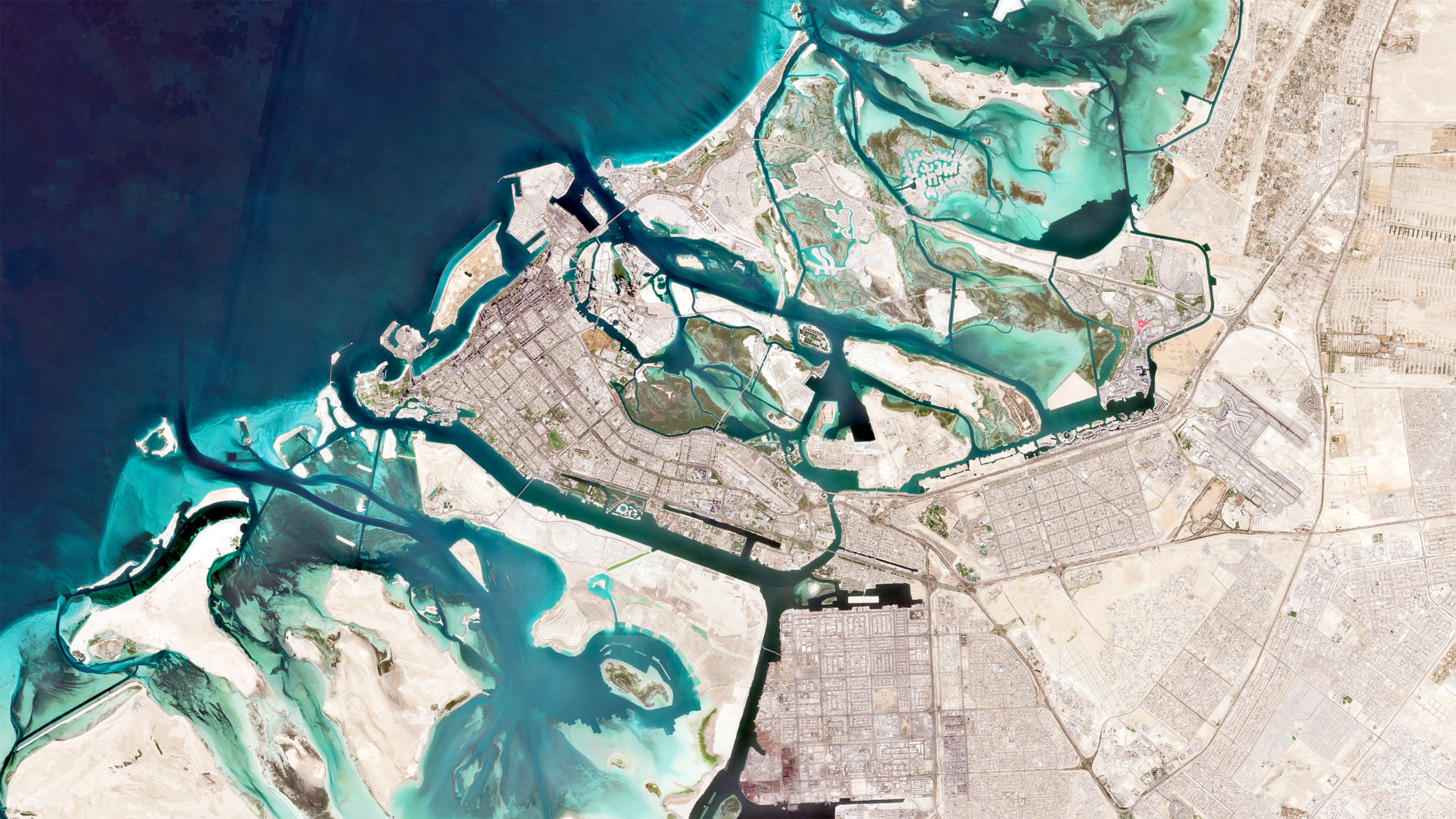
- Much of what determines the ocean’s condition is decided on land, where ports control entry, cities regulate ship operations, and municipal buyers shape seafood demand. These urban levers can influence marine outcomes at scale even though they receive far less attention than treaties or national policy.
- Port rules on fuel use, emissions, and safety can compel global shipping companies to change behavior, as access to major trade hubs is too valuable to lose. When several large ports adopt similar standards, their combined weight can shift industry norms across entire maritime corridors.
- Public procurement provides another pathway, with city-run institutions able to influence fisheries through what they choose to purchase. Sustainability standards — or public scrutiny, as seen in Brazil’s school meal controversy — can ripple back through supply chains and alter incentives at sea.
- Philanthropy focused on oceans may find high leverage in supporting city-level actions such as port electrification, data-sharing systems, and procurement reform. By targeting where rules meet markets and infrastructure, urban governance can complement national efforts and deliver practical gains even when international cooperation falters.
See All Key Ideas
Debates about ocean protection tend to orbit national governments and multilateral treaties. Fisheries quotas, shipping rules, and marine reserves are usually negotiated by states. Yet much of the activity that determines the ocean’s health passes through cities. Ports regulate entry. Municipal buyers decide what seafood is served in schools and hospitals. Urban air-quality rules shape how ships fuel and operate at berth. Taken together, these levers suggest that coastal cities may exert more practical influence over the seas than is commonly acknowledged.
Consider the modern port, which is less a waterfront than a complex regulatory zone. Ships cannot simply arrive and unload. They must comply with local safety, environmental, and operational requirements. The ports of Los Angeles and Long Beach, for instance, introduced a Clean Air Action Plan that has pushed shipping lines toward cleaner fuels, shore power, and newer vessels. The primary motivation was urban smog, not marine conservation. Still, the result has been a measurable reduction in greenhouse gases and particulate pollution across one of the world’s busiest maritime corridors. When ports tighten standards, global shipping companies adjust, because the trade is too valuable to forgo.
Procurement offers another underappreciated channel. Large metropolitan governments purchase enormous volumes of food for public institutions. If those buyers adopt sustainability criteria for seafood, they can influence supply chains in ways that national policy often struggles to achieve. Several U.S. cities now use guidelines informed by organizations such as the Monterey Bay Aquarium’s Seafood Watch program. In Brazil, reporting revealed that shark meat was being served in school lunches without parents’ knowledge. The disclosure prompted Rio de Janeiro state to ban shark products from public school meals and was cited in debates over national shark fin exports, illustrating how institutional purchasing can reverberate back through fisheries supply chains. The changes are incremental and sometimes contested. Suppliers must adapt, traceability systems improve, and fisheries seeking access to lucrative markets face pressure to meet higher standards. None of this requires new international law.
Shark meat on sale in Brazil is labeled as “cação,” a generic term whose true meaning is unknown to most Brazilians, surveys show. Image by Philip Jacobson/Mongabay.
Philanthropic initiatives focused on ocean conservation have begun to intersect with these urban dynamics, often indirectly. The Vibrant Oceans Initiative, backed by Bloomberg Philanthropies and implemented by groups including Oceana, Rare, the Wildlife Conservation Society (WCS), and Environmental Defense Fund (EDF), has concentrated on national fisheries reform. Yet many of the fisheries it seeks to improve supply coastal cities whose markets shape demand. Where urban buyers reward transparency and sustainability, reforms on the water gain commercial traction. The relationship runs both ways: effective management can stabilize supplies for cities, while market pressure can reinforce compliance at sea.
Data-sharing is emerging as a third lever. Cities increasingly operate sophisticated monitoring systems for traffic, air quality, and infrastructure. Extending this approach to marine activity can yield unexpected benefits. Global Fishing Watch, supported by a consortium of philanthropies and technology partners, uses satellite data to track vessel movements worldwide. While primarily a tool for national enforcement, its outputs can be used by port authorities deciding which vessels to admit or inspect. A ship flagged for suspicious fishing behavior may face additional scrutiny upon arrival. Over time, such practices could alter incentives across fleets that depend on access to major markets.
Regional map of offshore infrastructure and related vessel activity in eastern China during the study period, 2017-2021. © 2023 Global Fishing Watch
Urban agility matters because national policymaking can be slow. Fisheries reforms often involve entrenched interests and complex negotiations. International shipping rules must pass through bodies such as the International Maritime Organization, where consensus takes time. City governments, by contrast, sometimes act through administrative measures or procurement decisions that can sometimes be implemented within months. Their authority is narrower but more immediate. When several major ports adopt similar standards, they effectively create a new baseline for global operators.
There are limits, of course. Cities cannot manage migratory fish stocks on the high seas, nor can they enforce conservation rules far from shore. Local policies may shift environmental burdens elsewhere if ships reroute or suppliers find alternative buyers. Coordination among cities is uneven, and some lack the technical capacity to design effective measures. The risk of fragmentation is real. A patchwork of rules can complicate trade without necessarily improving outcomes.
Still, the urban scale has advantages that complement national action. Coastal cities experience the consequences of ocean decline directly, from storm surges to fisheries collapses to polluted beaches that deter tourism. Their constituencies often include businesses and residents who depend on maritime industries but also bear environmental costs. This proximity can produce a form of pragmatic environmentalism, one that is less ideological than outcome-driven. Measures that reduce emissions or improve fisheries management are justified as public-health or economic policies, even when ecological benefits are substantial.
School of Great trevally in the Pacific. Photo by Rhett Ayers Butler
Philanthropy has traditionally directed ocean funding toward marine agencies, research institutions, and international advocacy. These efforts remain essential. Yet the municipal dimension suggests additional opportunities. Grants that help ports electrify equipment, develop emissions inventories, or adopt digital monitoring tools may yield disproportionate environmental benefits relative to cost. Support for urban procurement reforms can ripple through global seafood markets. Investments in data platforms that cities can use to screen vessels or track supply chains could strengthen enforcement indirectly.
The broader implication is not that cities should replace national governments in ocean governance. Rather, they can function as operational hubs where policy meets practice. Ships dock in ports, not ministries. Fish are sold in markets, not treaties. Environmental standards applied at these points of contact can reshape behavior upstream, often without fanfare.
In an era when international cooperation is strained, such practical levers deserve attention. Cities rarely command headlines for ocean policy, yet their cumulative influence is considerable, as seen in collaborative networks such as C40. If philanthropy seeks scalable, durable interventions, urban governance offers a promising terrain. The seas may lie beyond municipal boundaries, but many of the decisions that affect them are made on land, in city halls and port authorities, procurement offices and data centers. Recognizing that geography could broaden the toolkit for protecting the world’s oceans, one port and one market at a time.
Banner image: Abu Dhabi port. Courtesy of the European Space Agency (ESA)
Disclosure: Mongabay receives funding from Bloomberg Philanthropies, which had no role in this piece and does not influence editorial decisions.