Many of Southeast Asia’s native oak species are under high stress from human pressures and lack protection, according to a recent report, reports contributor Sean Mowbray for Mongabay.
Of the 430 known oak species in the world, 172 are native to Southeast and East Asia. The report, produced by the Morton Arboretum, a nonprofit that studies plants globally, evaluated 54 oak species across Southeast and East Asia listed as threatened or data-deficient by the IUCN. The analysis found that 46 species experienced “very high” or “high” human pressure across more than half of their native ranges in 2024.
“While it may not be the region that first comes to mind when we think of oaks, it’s a really important region for oak biodiversity and as a result, oak conservation,” study author Kate Good, a research manager at the Morton Arboretum, told Mongabay in an interview.
“Many of these species are under dire threat,” added Good.
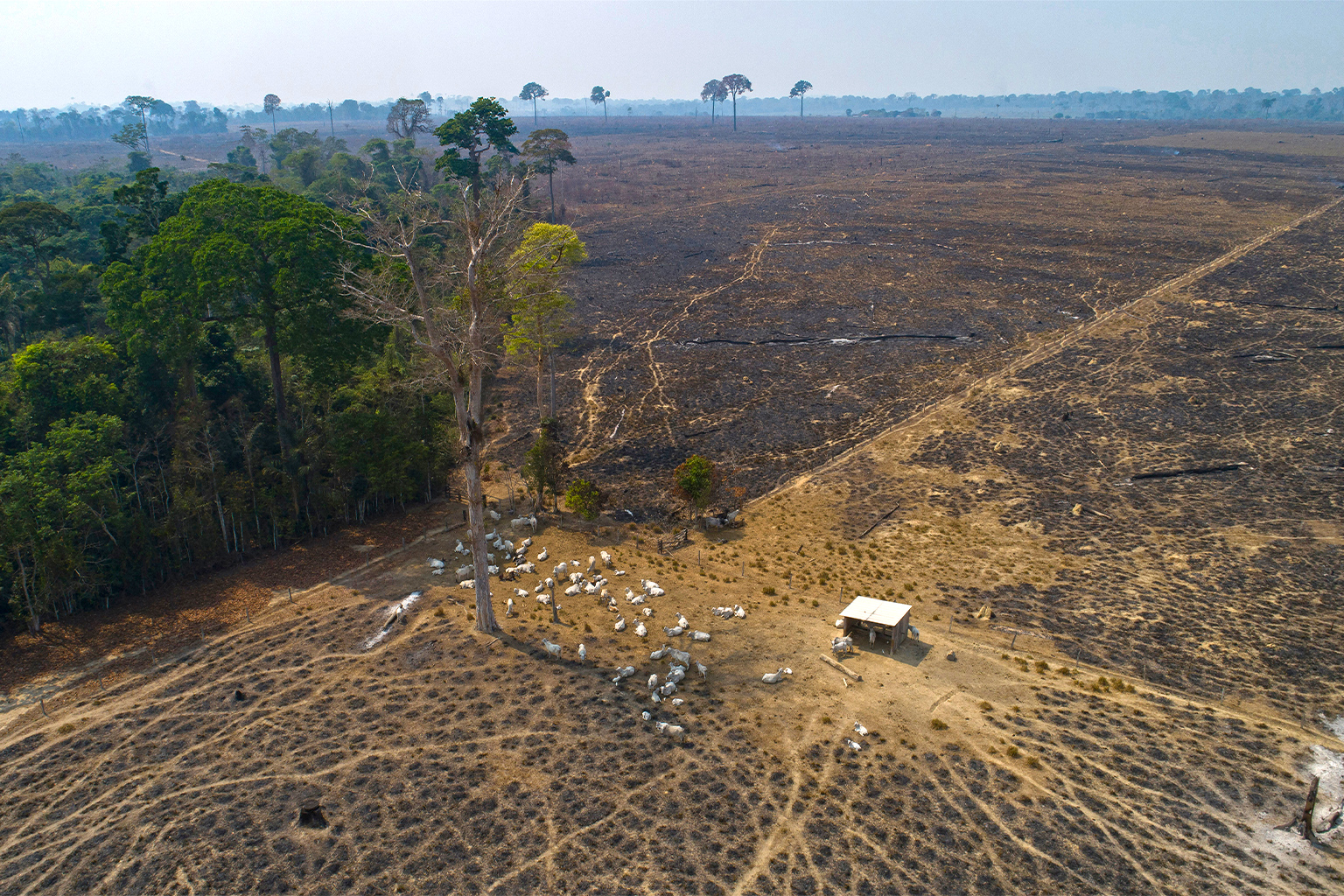
The researchers found that agricultural expansion, specifically rubber, oil palm, and wood and pulp plantations, were the major threats to two-thirds of the analyzed species.
The report identified Vietnam as the center of Southeast Asian oak biodiversity, hosting 33 threatened or data deficient species, 15 of which are found nowhere else.
Furthermore, three of Southeast Asia’s four designated oak biodiversity hotspots lie within the Annamite mountain range, which spans Vietnam, Laos and Cambodia, while the fourth is located in Doi Inthanon National Park in Thailand.
“Vietnam is an important country for the conservation of Asian oaks, but the new report shows how vulnerable many of these species are,” Lam Van Hoang, country director for Vietnam at conservation charity Fauna & Flora International, who was not involved in the study, told Mongabay via email. “The findings reinforce the need to combine effective protection of remaining natural forests with targeted surveys, restoration and propagation.”
All of the 54 species surveyed had 40% of less of their native range within protected areas; 10 species had less than 10% coverage, the report found.
According to the study, only 14 of the 54 surveyed species are preserved in ex situ collections such as botanic gardens, which can serve as an insurance policy against extinction. Among the region’s 16 critically endangered oaks, only a single species – Quercus camusiae, housed in a botanic garden in China – is held in an ex situ collection.
Huang supported the need for increasing ex situ populations, but said that “collections should be strategic, prioritizing the most threatened species and ensuring sufficient genetic diversity and well-documented wild provenance.”
Read the full story by Sean Mowbray here.
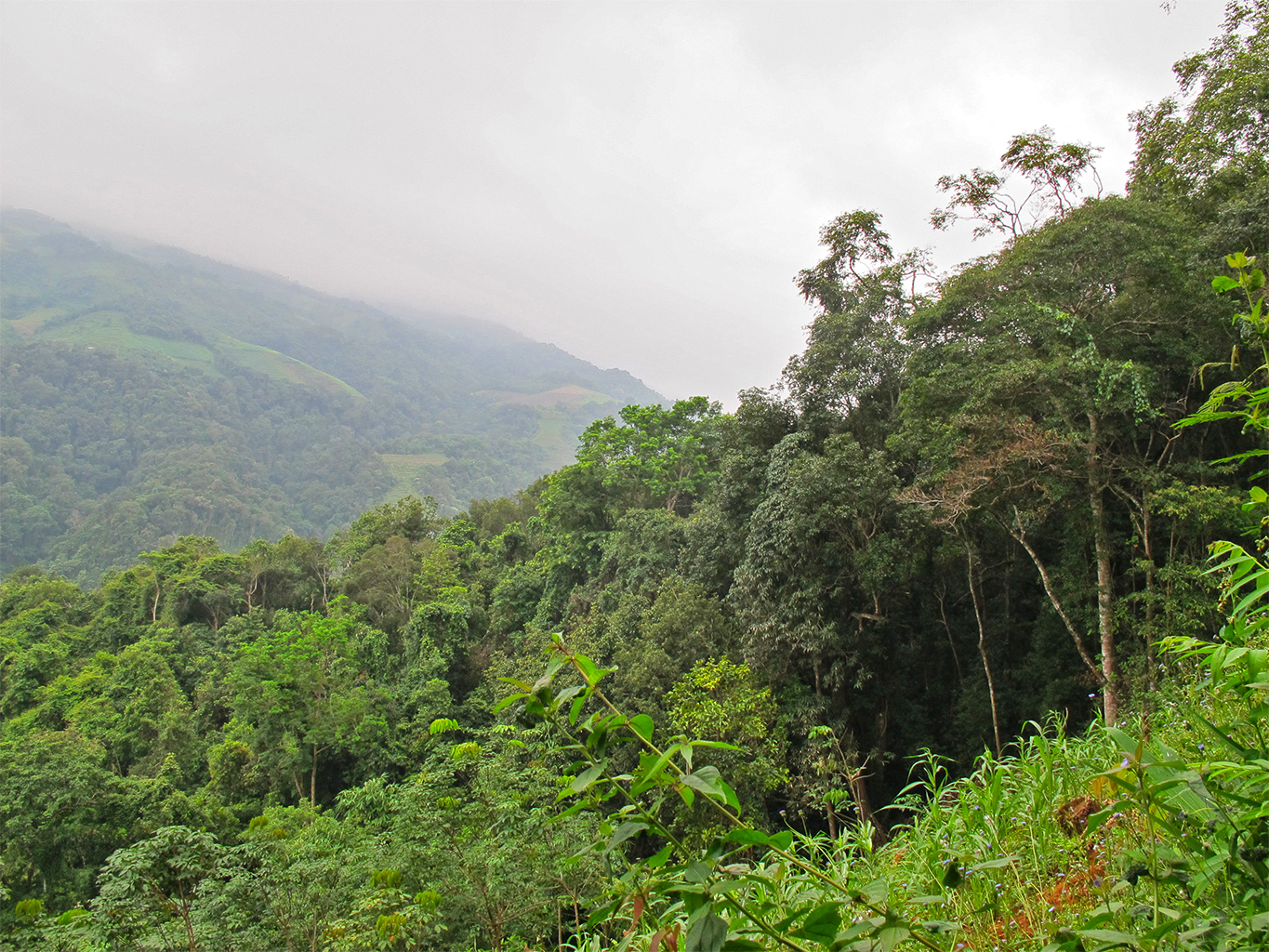
Banner image: Quercus rex oak trees in a forest in China. Asia is home to the largest number of threatened oak species in the world. Image by Min Deng.