- The Argentine Society for the Study of Mammals reviews the national IUCN Red List of mammal species the goal of better understanding population trends and threats across the country’s many ecosystems.
- This time around, scientists evaluated 417 mammal species, 22 more than the 395 species evaluated in 2019.
- The increase reflects newly discovered mammals but also taxonomic revisions to mammals that were once grouped together and are now recognized as distinct species.
- For the first time, SAREM also used the environmental impact classification for alien taxa, known as EICAT, to determine how much damage non-native species were doing to biodiversity in the country.
See All Key Ideas
Scientists have updated the conservation status of hundreds of mammals in Argentina, adding previously unassessed species and revising biodiversity threat levels.
The assessment evaluated 417 native mammal species across the country, identifying national threats even in species that are listed as least concern. More than 500 scientists contributed to the effort, which also involved a new way of measuring the impact of non-native mammals.
“Some species are more at risk of disappearing than others, either because they’re more exposed or because their biology and ecology make them more affected by certain [factors],” Javier Pereira, general coordinator of the 2025 Categorization of the Mammals of Argentina, told Mongabay. “We need to measure that in order to have an indication of which species are more at risk than others.”
The Argentine Society for the Study of Mammals (SAREM), a national collective of scientists, conducts periodic assessments of the conservation status of mammal species in Argentina. Its goal is to better understand population trends and threats across the country’s many ecosystems.
Species expert teams review available scientific literature, monitoring data and field observations from the previous five years and then assign conservation statuses, which are then reviewed and formally validated by a committee.
This time around, they evaluated 417 mammal species, 22 more than the 395 species evaluated in 2019. The increase reflects newly discovered mammals, Pereira said, but also taxonomic revisions to mammals that were once grouped together and are now recognized as distinct species.
The non-native red deer (Cervus elaphus) in Argentina. Imagine by Darío Podestá/Sarem.
In one case, a mammal commonly known as the pampas cat (Leopardus colocolo) was considered to be a single species present across South America but actually turned out to be five different species. Four of them are present in Argentina.
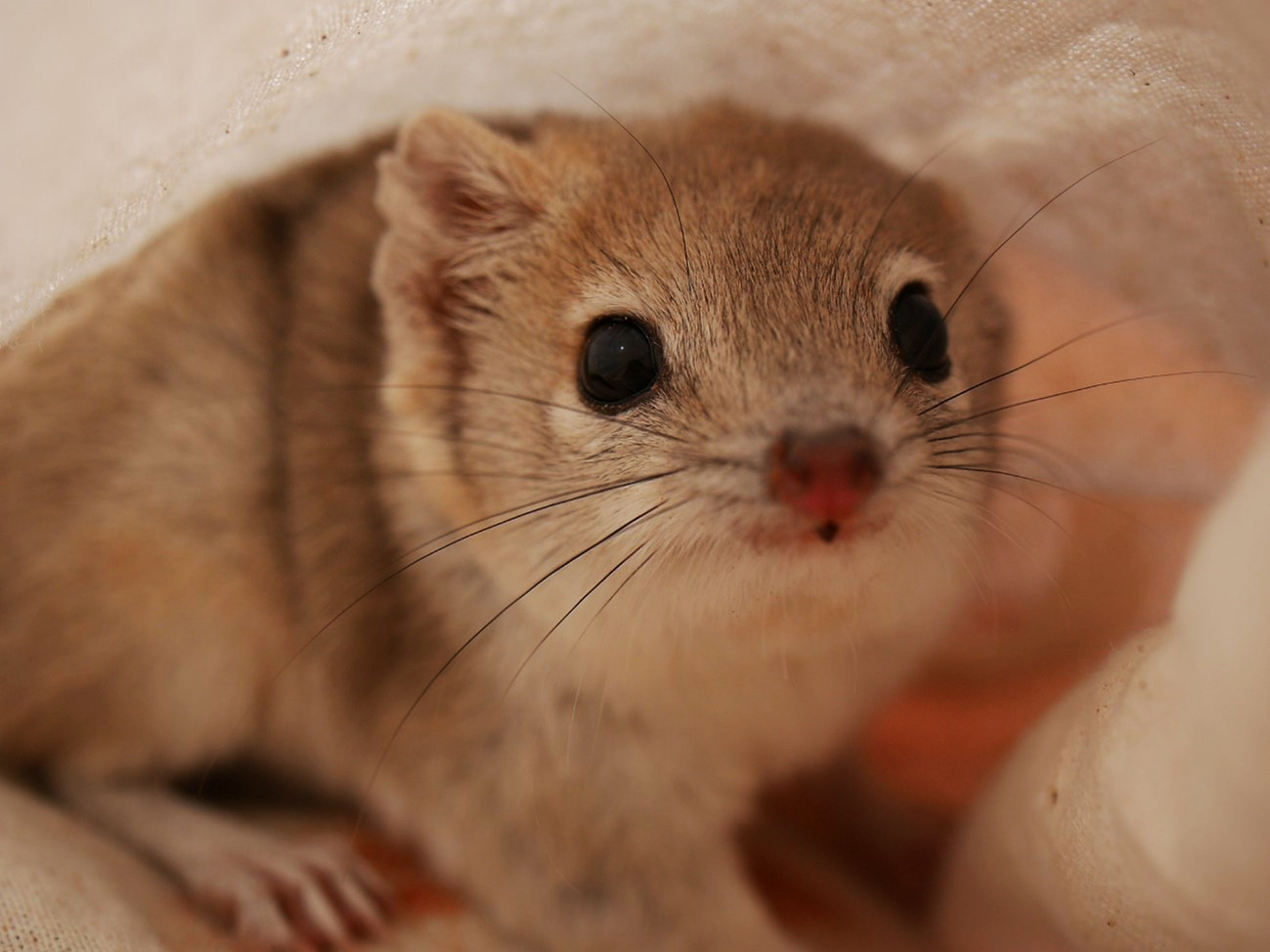
Some species only seen in neighboring countries like Chile — such as the coruro (Spalacopus cyanus) — were identified in Argentina and included for the first time. Bones of a long-extinct rat known as Octomys rosiae — previously thought to be a different species in museum records — were reanalyzed and listed for the first time.
In many cases, threat levels were revised not due to population changes but to improved understanding of species and their habitats, Pereira said. The kodkod (Leopardus guigna) was downlisted from endangered to vulnerable, thanks to studies and field data published since the last review. The water opossum (Chironectes minimus) was uplisted from vulnerable to endangered, while the marsh deer (Blastocerus dichotomus) was uplisted from near threatened to vulnerable.
Pereira said this is the national, not global, listing. The global IUCN Red List is developed through an international process involving experts from multiple countries.
He said it’s important to conduct more localized species reviews because it can uncover threats that might have gone unnoticed in global assessments. A species listed as least concern globally might still face more severe threats in a specific region.
The jaguar (Panthera onca), listed as Critically Endangered in Argentina. Image by Andrés Ruggeri/Semar
“Having very good knowledge of biodiversity in each country, each region, each province, is key to making management or conservation decisions,” he said. “If we can have updated information through these kinds of processes, we’re improving the chances of protecting the most critical areas for biodiversity.”
For the first time, SAREM used the environmental impact classification for alien taxa, known as EICAT, to determine how much damage non-native species were doing to biodiversity in the country. The protocol involves a rigorous review of scientific research, identification of impacts and classification of each species based on the severity of damage done to biodiversity.
Because the protocol is so data intensive, the results are still being finalized, Pereira said.
Argentina has 21 non-native species, including the domestic house cat (Felis catus), red deer (Cervus elaphus) and beaver (Castor canadensis), previously introduced in parts of Patagonia.
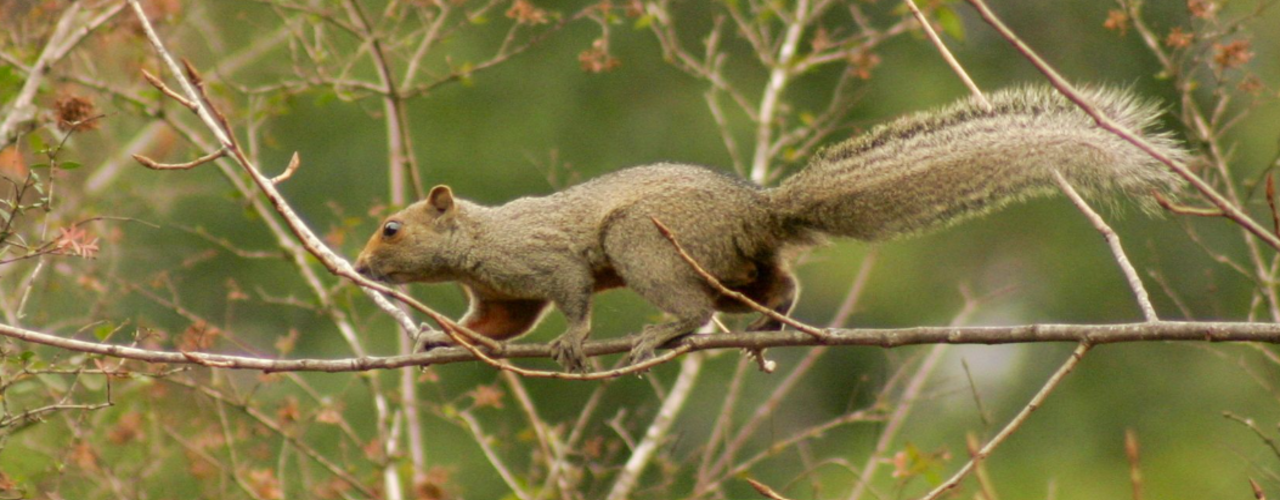
Another, the Asiatic red-bellied squirrel (Callosciurus erythraeus), has caused economic as well as ecological damage, gnawing on electrical cables and irrigation hoses on agricultural plantations and stripping the bark from nativeres trees and preying on the nests of native birds.
In 2021, Argentina codified the conservation categories created from the national mammal review, allowing them to inform environmental impact assessments and other policy decisions. That means future legislation involving protections for mammals can use the list as an official source.
“All this knowledge gives us the power to understand many aspects of biodiversity management, and that’s what we always want to highlight through this work,” Pereira said.
Banner image: The non-native Asiatic red-bellied squirrel (Callosciurus erythraeus). Image by Fernando Milesi/ Sarem.
See related from this reporter:
Patagonia fires reignite debate over Argentina’s underfunded environmental agencies
FEEDBACK: Use this form to send a message to the author of this post. If you want to post a public comment, you can do that at the bottom of the page.