Cancer is unsettling not only for those directly affected, but also for the wider circle of friends, colleagues and acquaintances.
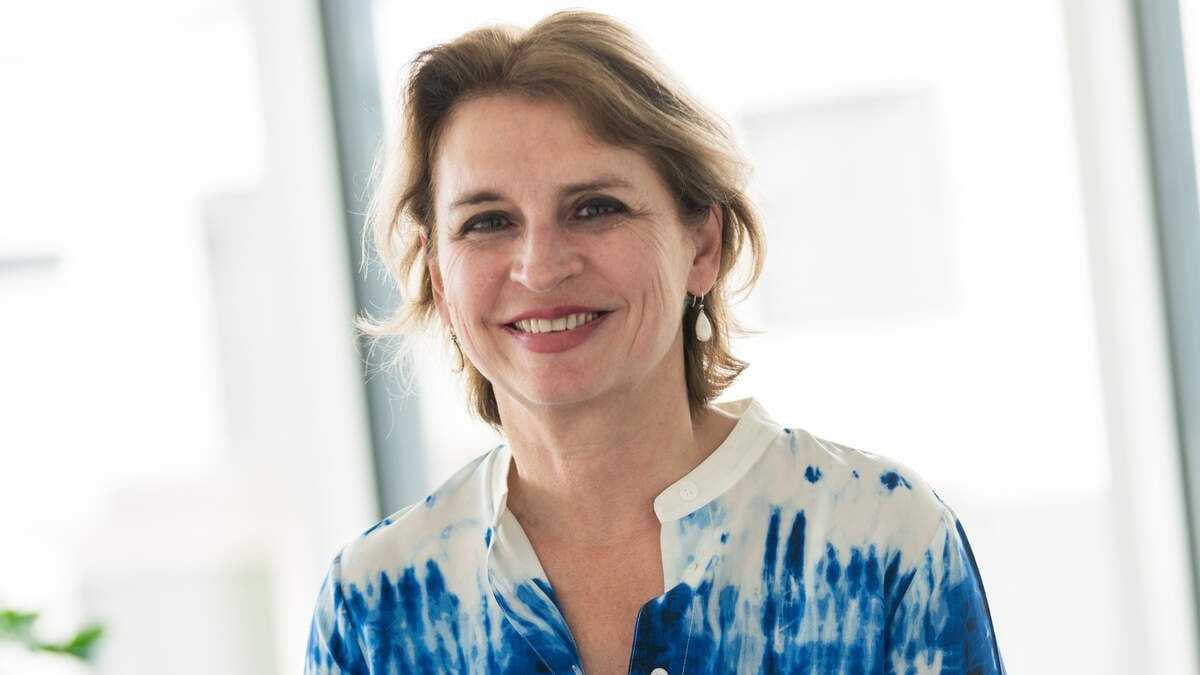
Many wonder what they should say, or whether it might be better to say nothing at all. Martine Risch, psychologist, psychotherapist and head of the psychosocial department at Fondation Cancer, explains why silence often weighs more heavily on patients than the occasional awkward remark.
Anyone looking up how to deal with cancer patients will come across phrases like ‘show your support through small gestures’ and ‘avoid clichés’. Are these good tips?
Generally speaking, yes. You should definitely avoid clichés. Very often, people say things like “stay strong” or “just think positively, then everything will be fine”. That may help the person saying it, but not the one hearing it.
It is better to ask how you can support the person who is ill. At the same time, people also need to feel they are doing something, because seeing someone else’s illness can create a sense of helplessness. But it is not always about doing things; sometimes it is simply about being there, listening and sharing the burden. This emotional presence is greatly underestimated.
Many cancer patients report that acquaintances cross the street to literally avoid a conversation. Have you come across such cases too?
We hear this very often. People who were once close suddenly distance themselves. This is usually due to a sense of helplessness. It is rarely intentional, but rather unconscious; people simply do not know how to deal with the situation.
We often think there is one “right” thing to say. So we prefer to say nothing rather than risk saying the wrong thing. But that is not true. Many patients say they were annoyed when someone said something inappropriate. But in hindsight, they often say they would have preferred that to silence. You can always apologise.
At the same time, there are also people who unexpectedly step up and offer support.
‘Cancer stole my kids’ childhood’: bearing the weight of a parent’s incurable illness
Do you have any further tips on how to deal with cancer within your circle of friends?
Everyone needs something different. Some people want encouragement and a fighting spirit. Others do not want to talk about it at all. That is why it is best to ask: “How can I support you?”
At the same time, the person affected must decide who they want to talk to. Usually, this will be close friends or family, because it is very difficult to carry everything alone.
Should you bring up an illness at work?
You can only receive support if others know what is going on. That is why it can be helpful to talk about it when returning to work, especially if there is a relationship of trust with the employer.
However, it is a personal decision. Some people prefer to keep their illness out of the professional sphere and treat work as a cancer-free zone. They want to return after treatment and find everything as it was before. But that is rarely the case.
There are people who would rather cross the street than say the wrong thing when talking about cancer. On the other hand, there are also people who are suddenly there for you © Photo credit: Shutterstock
From Estonia to Spain: three cyclists ride 7,000km for cancer
In what way?
Sometimes people have to return to work even though they do not yet feel physically or mentally ready – for example, when the 78 weeks of sick leave in Luxembourg are coming to an end. There may be a risk of falling out of the social security system.
At the same time, they may still feel exhausted from treatment and worry about whether they can meet expectations. There is also uncertainty about how others will react: who knows, and who does not? Will colleagues avoid the topic, or show pity? After a long absence, rumours are almost inevitable.
This is why it can be helpful to address the issue openly with an employer and trusted colleagues.
What does a good ‘return to work’ look like?
A good reintegration is not a single moment. It is not just about coming back to a bouquet of flowers and a “welcome back” card. It is an ongoing process that ideally begins during the illness and continues afterwards with regular discussions.
Sometimes there are negative experiences – for example, when meetings are planned but then cancelled at short notice. But there are also situations where employers are simply not informed, as employees are not required to disclose the reason for their absence.
Employers can still check in regularly to ask how the person is doing and whether they want to talk. The employee can always decline. But asking is better than saying nothing. It can also improve motivation and make the return to work easier.
An employee does not have to explain why they were on sick leave – but talking about it openly can help. “You can only be supported if others know what is going on,” says Martine Risch © Photo credit: Shutterstock
And what if a person doesn’t want to talk about it?
That can be difficult for employers, but it should be respected. Some people need distance and want to focus entirely on their recovery. Health becomes the priority.
At the same time, some people find that cancer changes their perspective. They may set clearer boundaries or become less affected by minor issues. In that sense, they can develop new resilience and strengths, which can later be used positively in the workplace.
What should colleagues specifically look out for when someone returns to work after a long absence?
Understanding is key. Some patients continue treatment, such as immunotherapy, and may still be absent several days a week. This can sometimes lead to frustration among colleagues, especially if workloads are already high.
It is important to remember that this is not the patient’s fault. And when they return, they may not yet be able to work at the same level as before. Empathy and flexibility are therefore essential.
Workshops by the Fondation Cancer
To support a realistic return to work, the Fondation Cancer regularly offers workshops – one for patients and one for employers.
Each session lasts around two and a half hours each and are free of charge, though advance registration is required. More information is available at cancer.lu
(This article has first been published on Wort.lu. Translated using AI, with editing by Lucrezia Reale.)