ArcelorMittal has pushed back against accusations from the environmental NGO Opportunity Green, which has filed a complaint with the OECD National Contact Point in Luxembourg demanding a revised climate strategy from the steel giant.
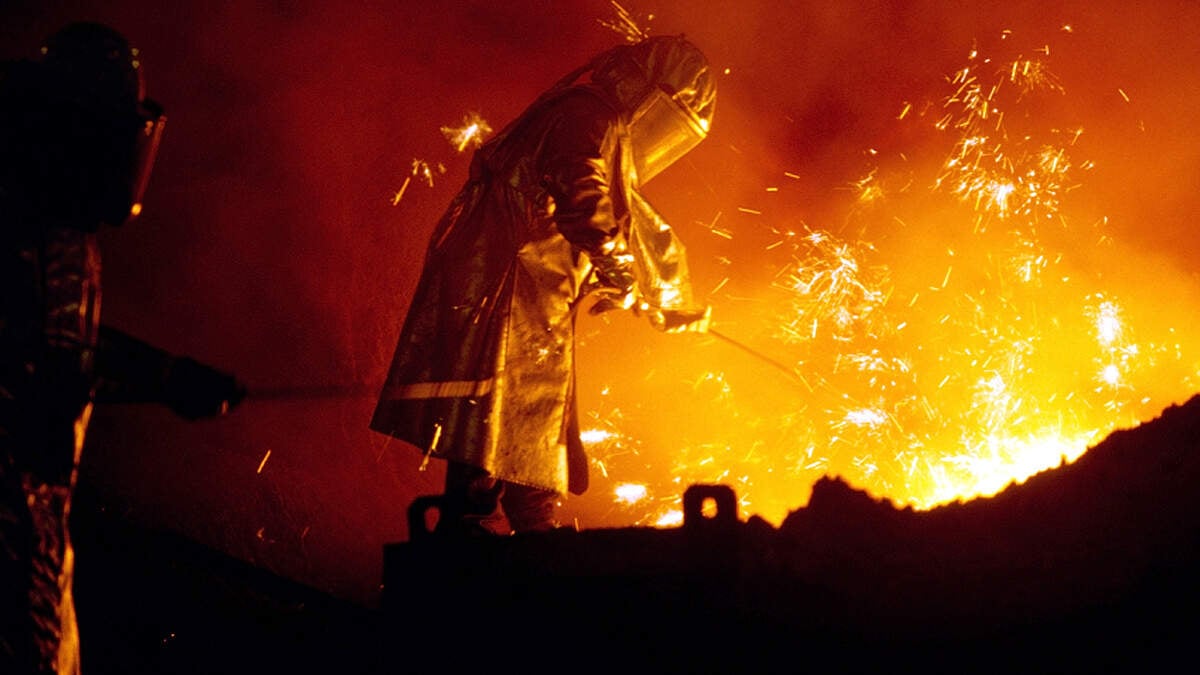
The NGO argues that the company’s climate impact remains significant, noting that ArcelorMittal still produces around 75% of its steel using traditional blast furnaces powered by coking coal.
“As outlined in our Sustainability Report 2024, ArcelorMittal’s absolute emissions were reduced by almost 50% between 2018 and 2024. During this period, we invested nearly three billion US dollars in decarbonisation projects, including electric arc furnaces, carbon capture, renewable energy and the metals required for low-carbon steelmaking,” said the steelmaker on Wednesday.
ArcelorMittal added that the share of steel produced using electric arc furnaces has increased from 19% of total Group production in 2018 to 25% today.
In November the steelmaker was honoured at the 19th edition of the Fedil environment award for being one of four companies that recognise ecological interest, innovation, sustainable development and practical feasibility among Luxembourg for its XCarb recycled and renewably produced steel, which uses scrap metal and renewable electricity.
ArcelorMittal cancels major decarbonisation project in Germany
‘Slower than originally expected’
However, the company acknowledged that overall decarbonisation progress has been slower than planned.
“Our original plans were based on a favourable combination of policy, technology, clean energy and market developments that have not progressed as originally envisaged,” a spokesperson said. “We are not the only company, and the steel industry is not the only sector, facing such challenges.”
Still, ArcelorMittal maintains that it remains committed to reducing emissions. “We will move forward as soon as the path is both technically and economically feasible. We continue to develop all technologies that support lower-emission steelmaking so we are ready to make final investment decisions once the regulatory framework provides the necessary certainty,” the group said.
It added that it is also investing in new businesses supporting the energy transition, including renewable energy production and low-carbon building solutions.
(This article has first been published by the Luxemburger Wort. AI translated, with editing and adaptation by Lucrezia Reale.)