Libya – The International Organization for Migration (IOM) has published a research study. It examines the conditions of migrant workers in Libya’s agricultural sector. It also analyzes the growing impact of climate change on their livelihoods.
The study explained the impact is most evident in arid and rural areas. These include Kufra, Jufra, and Murzuq. It noted that continuous heatwaves and water scarcity affect agricultural viability and food security.
According to the study, migrants face increased exposure to severe heatwaves and drought. Water scarcity and rising production costs are also major problems. These factors impact their income, health, and food security. The IOM considers climate change a primary driver of migration. It also leads to job instability and pushes people toward precarious, low-income work.
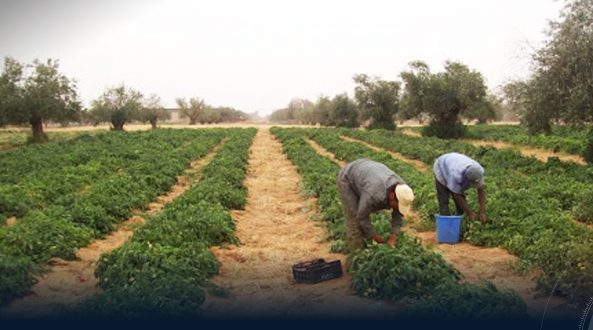
The study notes that in 2025, most migrant workers in the sector were from West and Central Africa. Thirty-five percent were from Niger and 26% from Egypt. Twenty-one percent came from Sudan and 9% from Chad. Almost all the workers were men. Their total number between March and April reached about 78,000. This is a 1% increase compared to 2024. Their roles were mainly paid laborers (48%) and farmers (33%). Animal producers and herders made up 18%, with fishermen at 1%.
The study reported that settlement and mobility patterns vary within the country. Fifty-four percent of migrants chose to stay in Libya for the medium term. Thirty-eight percent are seasonal workers following a circular migration pattern. This is tied to planting and harvesting seasons. A smaller group of 4% are in transit. They use Libya as a temporary stop before attempting to move elsewhere, often to Europe.
More than half of the migrants reported having worked in agriculture before coming to Libya. The study also recorded other challenges. Some faced hunger, thirst, attacks, and assaults. This indicates racial and ethnic discrimination.
The lack of contracts and legal documents creates a highly precarious work environment. This makes workers vulnerable to economic exploitation and personal harm. Verbal agreements offer limited protection and increase the risk of sudden job loss. This is especially true in areas affected by climate change, like Jufra and Kufra. The study found that 86% of migrant workers faced common challenges. Twenty-eight percent experienced delayed wage payments. Twenty percent faced job insecurity, and 15% reported physical or verbal abuse. Eleven percent were paid less than agreed.
Migrants who wait weeks or months to find work face financial instability. This affects their ability to pay rent, buy necessities, and access healthcare. Employment delays worsen their debt. It forces them to make difficult choices between health, housing, and other essentials.
The study showed that security fragility and limited governance have hindered infrastructure investment. This limits market access and slows trade in rural areas. Climate change has also impacted agricultural work. Intense heat reduces summer working hours in the south. The cost of irrigation has risen due to water scarcity, reducing profit margins.
The study called for supporting climate-resilient agriculture. This includes introducing drought and heat-resistant crop varieties. It also recommends improving irrigation efficiency with drip systems and promoting soil conservation. The IOM urged investment in rural infrastructure to improve market access. It suggested integrating these projects with local employment programs. The report also highlighted diversifying livelihoods through vocational training. Finally, it recommended enhancing coordination between humanitarian, labor, and environmental sectors to meet immediate needs.