Monrovia, May 15, 2026 – Fresh questions are being raised here over where millions of United Nations rent payments for the Pan African Plaza in central Monrovia are actually going.
Reports claim that more than US$50 million was paid over nearly two decades to a company whose legal status and ownership remain unclear.
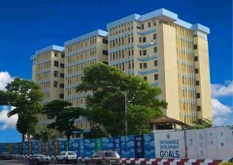
The findings compiled by The Sentry, an organization that traces Libyan assets, placed the Pan African Plaza, an office building reportedly constructed in the 1980s with Libyan funding, at the center of the controversy.
In 2004, the United Nations Mission in Liberia negotiated a lease for the property at an annual rent of about US$2.8 million. By December 2023, total payments had reportedly exceeded US$50 million, but it has never been publicly established who ultimately benefited from the money.
Findings cited in the Sentry report indicate that the rent was paid to Pan African Real Estate Company, or PAREC, although the Libyan Liberian Holding Company, also known as LLHC, was said to be the apparent owner of the building.
The LLHC was dissolved by the Liberian Government in 2015, further deepening uncertainty over the legal chain of ownership and control.
Additional concerns arise from discrepancies in PAREC’s corporate records.
While the company’s business registration certificate was reportedly first issued in 1982, the LLHC had already been formed by decree four years earlier. At the same time, PAREC’s articles of incorporation were restated in 2000, raising further questions about how the company’s authority evolved over time.
The Sentry report also points to PAREC’s appearance on LAICO’s investment list until mid-February 2026, suggesting a continuing Libyan link.
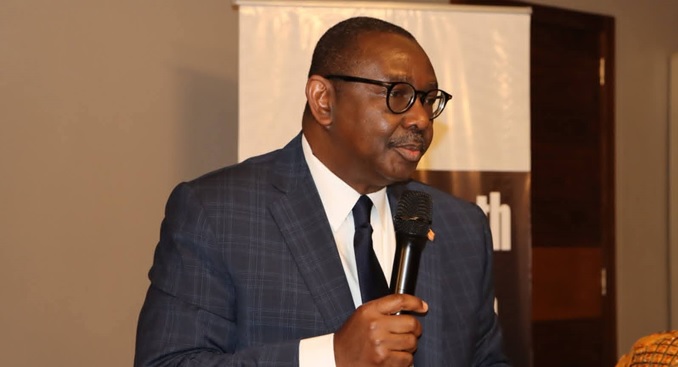
But corporate documents reportedly list former Finance Minister Nathaniel Barnes, who served under former President Charles Taylor, as chairman of PAREC’s board of directors.
Observers say that if Barnes signed in an official government capacity, he should have been replaced after leaving office in 2002. However, no public record has been found showing that such a replacement ever occurred.
This paper tried to contact Ambassador Barnes for comment through his WhatsApp contact, but as of the time of filing this story, he had not responded to our inquiry.
However, equally troubling is whether the Liberian Government received any portion of the rental proceeds. If PAREC was in fact a partially state-owned entity, some of the income should normally have gone to the state. But a former official at the Ministry of Finance reportedly said he could find no record of the rent being deposited into any government account.
Tax records reviewed in the report allegedly show that PAREC listed the Pan African Plaza as “vacant land” and paid only minimal taxes, despite the building being occupied for years by the UN under a multimillion-dollar rental arrangement.
One Liberian official familiar with the matter reportedly suspects that Barnes may have created a personal interest for himself in the business alongside a Libyan partner.
Barnes has previously been named by Liberia’s Truth and Reconciliation Commission as a person suspected of economic crimes. He reportedly did not respond to The Sentry’s requests for comment.
The matter remains sensitive as public concern grows over accountability, transparency, and whether public assets or proceeds tied to Liberia were diverted without proper legal oversight.
Editor’s note: This paper will publish the full details of Mr. Barnes’s response as soon as he makes them available. -Compiled and edited by Othello B. Garblah.