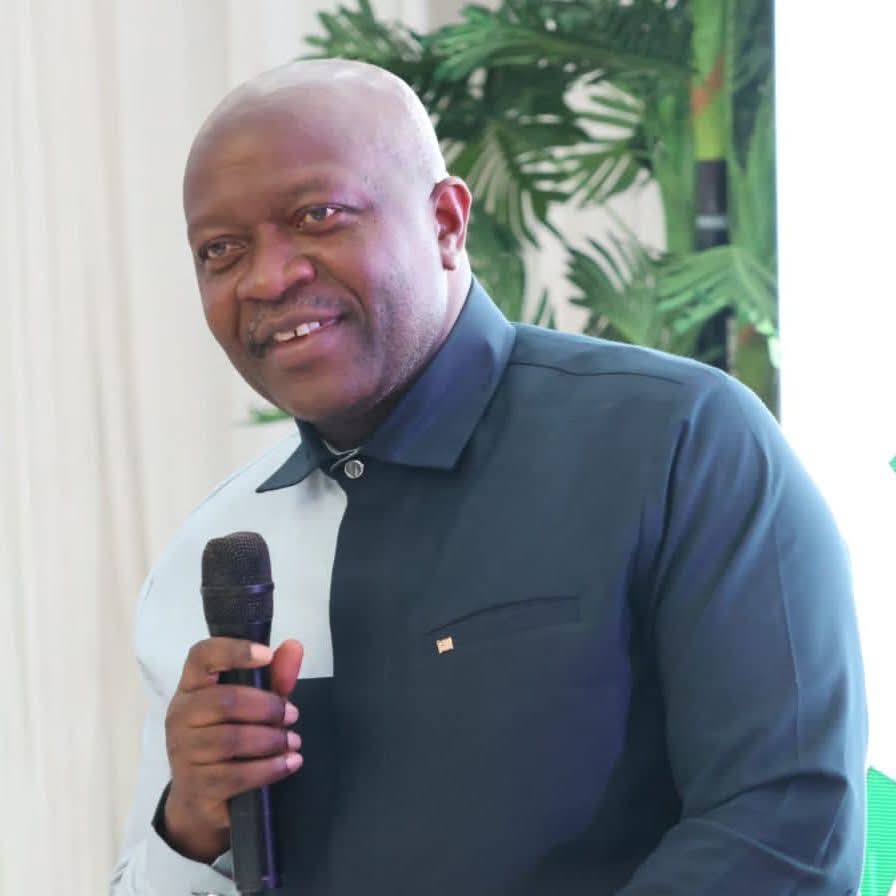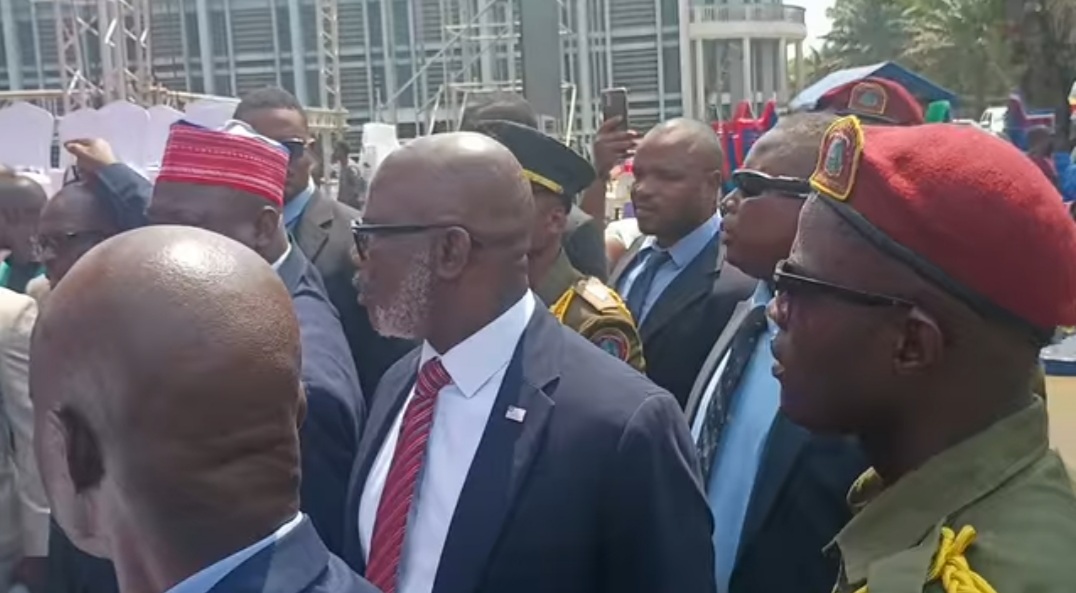
CAPITOL HILL, MONROVIA – As the National Legislature awaits President Joseph Nyuma Boakai’s State of the Nation Address (SONA) scheduled for 4:00 p.m. today, Monday, January 26, 2026, the decision by Speaker Richard Nagbe Koon and Deputy Speaker Thomas P. Fallah to personally inspect preparation works at the Capitol courtyard has raised serious questions about priorities and institutional roles.
Smart News Liberia observations from the Capitol show the Speaker, Deputy Speaker, and other members of the Legislature inspecting the courtyard where preparations are underway for the constitutionally mandated address. The inspection occurred just hours before the President is expected to report on the state of the Republic under Article 58 of the Constitution.
While ensuring readiness for a major national event is important, the visible involvement of the Legislature’s top leadership in inspecting physical preparations invites scrutiny over whether such tasks fall within their core responsibilities, especially on a day of high constitutional significance.
The primary responsibility of the National Legislature on SONA day is to convene, receive the President’s message, and engage substantively with the content of the address. The Speaker and Deputy Speaker, as presiding officers, are tasked with protecting legislative procedure, inclusiveness, and institutional order.
The timing of the inspection is particularly notable given concerns raised earlier in the day about access passes and participation by some lawmakers. In that context, attention from legislative leadership might reasonably be expected to focus on resolving procedural and access-related issues.
By stepping into what appears to be an operational role, the leadership risks blurring institutional boundaries between legislative oversight and administrative management. Such overlap can weaken clarity in governance, particularly at moments that demand strict adherence to constitutional roles.
The State of the Nation Address is not merely ceremonial. Its legitimacy rests on respect for constitutional norms, equality among lawmakers, and the full functioning of the Legislature as a co-equal branch of government.
Questions also arise as to the necessity of the inspection itself. Capitol administrators, security agencies, and event management personnel are specifically assigned to oversee preparations for state functions, raising doubts about the need for direct intervention by top lawmakers.
Symbolism matters in governance, especially during nationally significant events. Visible actions taken by legislative leaders can send signals about priorities, whether intended or not.
As President Boakai prepares to outline his administration’s direction on governance, the economy, and national challenges, the Legislature’s duty is to listen, evaluate, and respond on behalf of the Liberian people.
Whether the inspection was essential or largely symbolic, it highlights ongoing concerns about role clarity and institutional focus at a critical moment in Liberia’s democratic process, as the nation turns its attention to the President’s address.