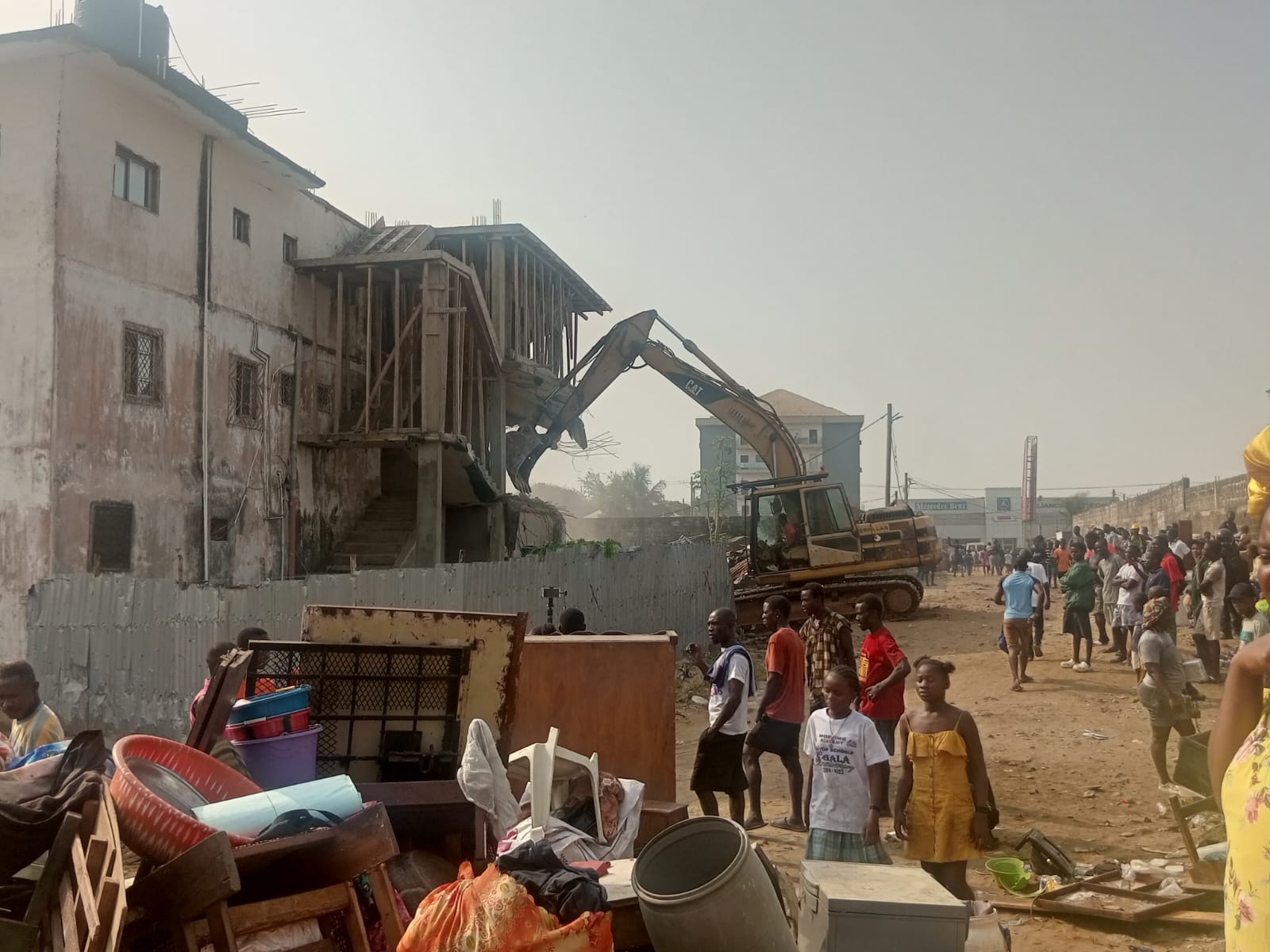
Monrovia, Liberia: Land disputes in Liberia have reached alarming levels, threatening not only the nation’s social stability but also its economic development prospects. The failure to address the growing crisis is undermining public trust in institutions and perpetuating cycles of violence and uncertainty.
Across Liberia, land disputes have become increasingly frequent and violent, with reports of property encroachment, illegal construction, and conflicting ownership claims escalating into physical confrontations and costly legal battles.
In many communities, the same plot of land is sold to multiple buyers, fueling tensions and, at times, violence. This chaos is exacerbated by the lack of clear, enforceable land policies, leaving communities vulnerable and frustrated.
Last week, Montserrado County Senator Abraham Darius Dillon proposed sweeping legal reforms, including a mandatory 25-year prison sentence without bail for individuals involved in double land sales and the impeachment of Probate Court judges who authorize multiple probates for the same property.
The proposal, made during a recent debate in the Liberian Senate in Monrovia, highlights what many now describe as one of the most dangerous and destabilizing national challenges facing the country today.
At the heart of Liberia’s land crisis are deep-seated flaws in land administration and legal processes. Outdated record-keeping, overlapping jurisdictions, poor documentation, and inconsistent probate rulings have created fertile ground for manipulation and corruption.
Many citizens lack access to reliable documentation, and in some cases, individuals hold multiple deeds for the same property. This confusion has not only undermined public trust in the legal system but has also discouraged investment and development.
Senator Dillon’s call for tougher legal penalties for double land sales reflects the urgency of the situation. Land fraud has evolved into a serious criminal enterprise, enabled by legal loopholes and weak enforcement.
Stronger penalties could serve as a deterrent, but tough laws alone cannot resolve Liberia’s land crisis. Unless institutions responsible for managing land ownership and resolving disputes are reformed and strengthened, even the harshest legal penalties will not break the cycle of conflict.
However, while stricter punishment may help reduce fraudulent activity, tough laws alone cannot resolve Liberia’s land crisis. The deeper problem lies within institutions responsible for managing land ownership and resolving disputes. If the systems within the Liberia Land Authority and the Probate Courts remain vulnerable to manipulation, even the harshest legal penalties will fail to stop the cycle of conflict.
The most critical reforms must begin with the digitalization and modernization of land records. A centralized and transparent digital registry would significantly reduce the risk of duplicate deeds, unauthorized alterations, and fraud.
Many countries have successfully adopted digital land management systems to ensure transparency and protect property rights. Thankfully, Liberia has begun to follow this path, and if fully implemented, it could help restore order and encourage investment in land ownership.
Equally important is judicial accountability. Judges who knowingly authorize multiple probates for the same property must face thorough investigation and lawful disciplinary measures. Judicial integrity is fundamental to public confidence in the rule of law, and any abuse of authority in land matters must be met with decisive consequences.
At the same time, the national conversation must also address urban planning challenges, including illegal construction in alleyways and access roads that block emergency services and infrastructure development. While demolitions may sometimes be necessary, such actions must be carried out fairly and transparently to prevent perceptions of political or selective enforcement.
Ultimately, Liberia’s land crisis demands bold leadership, comprehensive reform, and unwavering political will. The nation cannot afford to let land disputes continue to undermine peace, economic growth, and national stability. Strong laws, modernized systems, and accountable institutions must work in tandem to restore order and rebuild public trust in land governance.
Liberia has endured enough conflict rooted in land grievances. It is time for government leaders, the judiciary, and civil society to act decisively to secure property rights and safeguard the country’s future.