By: Naneka Hoffman
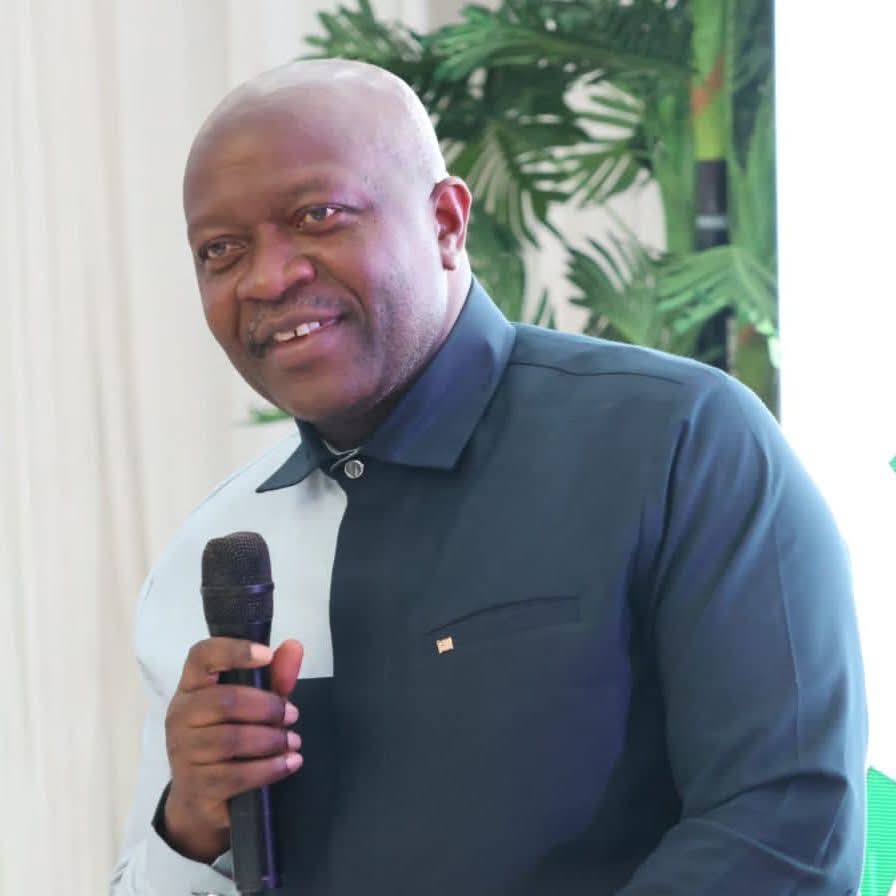
The Resident Bishop of the Liberia Area of The United Methodist Church, Bishop Samuel J. Quire Jr., has called on churches, governments, and civil society across West Africa to unite against the growing crisis of drug abuse, describing it as a spiritual, moral, and human emergency threatening the region’s youth.
Bishop Quire made the call on Thursday, January 15, 2026, while delivering a sermon at the West Africa Regional Conference of the United Methodist Church Drugs Desk, held under the theme: “Confronting the Crisis: A Unified Response of Faith, Action, and Restoration.”
Preaching on the topic “Confronting the Crisis: A Unified Response of Faith, Action, and Restoration in West Africa Say NO to Drugs,” the Bishop drew inspiration from Isaiah 1:16–17, Romans 12:2, and John 10:10. He warned that drug abuse is destroying dreams, weakening families, and eroding the moral fabric of communities, particularly in Liberia.
“This is not only a social problem; it is a spiritual crisis,” Bishop Quire said. “Drugs are not freedom; they are bondage. Our young people were created in the image of God, and no life is disposable.”
He emphasized that the Church must speak boldly and act decisively, warning that silence in the face of such destruction would amount to a failure of Christian witness. According to him, true transformation begins with the renewal of the mind, as taught in Romans 12:2, and must be supported by concrete action.
Bishop Quire called for a coordinated regional response, urging parents to reclaim their role as moral guides, churches to provide counseling and mentorship, and governments to enforce drug laws with justice and integrity.
He also stressed the need for collaboration among healthcare workers, security agencies, civil society organizations, and faith-based institutions.
Highlighting the cross-border nature of the drug crisis, the United Methodist leader noted that no single country can confront the challenge alone. He called on nations including Liberia, Sierra Leone, Ghana, Nigeria, Senegal, and Cameroon to work together in prevention, education, and rehabilitation efforts.
He further reminded participants that people struggling with addiction should not be condemned or discarded.
“The Gospel is a Gospel of second chances,” he said. “The broken can be healed, the lost can be found, and those trapped in addiction can be restored through Christ.”
Bishop Quire concluded by urging sustained commitment beyond conferences and sermons, encouraging long-term investment in youth development, mental health support, and rehabilitation programs.
“The gates of hell shall not prevail against the Church,” he declared. “This crisis will not defeat us, because God is with us.”
Also speaking at the conference, Deputy Commissioner of Police and Officer-in-Charge of the Liberia Drug Enforcement Agency (LDEA), Fitzgerald T. M. Biago, stressed that the fight against drugs requires courage, commitment, and collective action.
He described drug abuse as one of the most pressing threats to the stability, health, and future of West Africa, noting that its impact is visible from Monrovia to Freetown, Conakry, and Abidjan.
“Behind every statistic is a human story a young person who lost direction, a parent who lost a child, a dream that was never fulfilled,” Biago said.
He explained that many individuals turn to drugs due to peer pressure, childhood trauma, mental health struggles, unemployment, broken families, and weak support systems, warning that drugs disguise themselves as solutions but only deepen the pain they claim to cure.
The Deputy Commissioner outlined three major challenges:
Transnational drug trafficking networks.
Youth vulnerability driven by unemployment.
Institutional strain caused by limited resources and weak regional coordination.
He added that to address these challenges, he proposed three strategic pathways:
1. Strengthening regional cooperation and intelligence sharing;
2. Investing in prevention, rehabilitation, and youth development;
3. Building institutional capacity across law enforcement, healthcare, and social services.
“Addiction is not a moral failure; it is a health challenge,” he emphasized. “A society that truly says no to drugs must also say yes to rehabilitation, reintegration, and hope.”
For her part, Deputy Minister for Children and Social Protection, Garmai S. Tokpah, expressed appreciation to the United Methodist Church and partners for convening the timely conference.
She noted that drug abuse has become one of the most urgent social and public health threats facing West Africa, with devastating consequences for children and adolescents, including school dropout, exploitation, and long-term social exclusion.
Madam Tokpah reaffirmed the government’s commitment to prevention, early intervention, rehabilitation, and reintegration through strengthened child protection systems and expanded psychosocial support services.
However, she emphasized that government action alone is insufficient.
“Faith-based institutions play a critical role in prevention and recovery,” she said. “Your moral authority and commitment to human dignity make you powerful partners.”
She concluded with a message to young people: “Your life matters. Your future matters. Saying no to drugs is not a sign of weakness; it is an act of courage and self-respect. Your voices must lead the fight against drug abuse in your communities.”