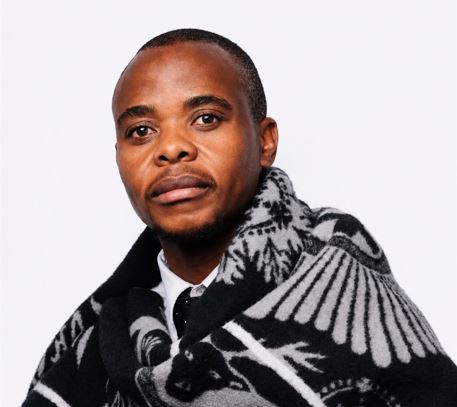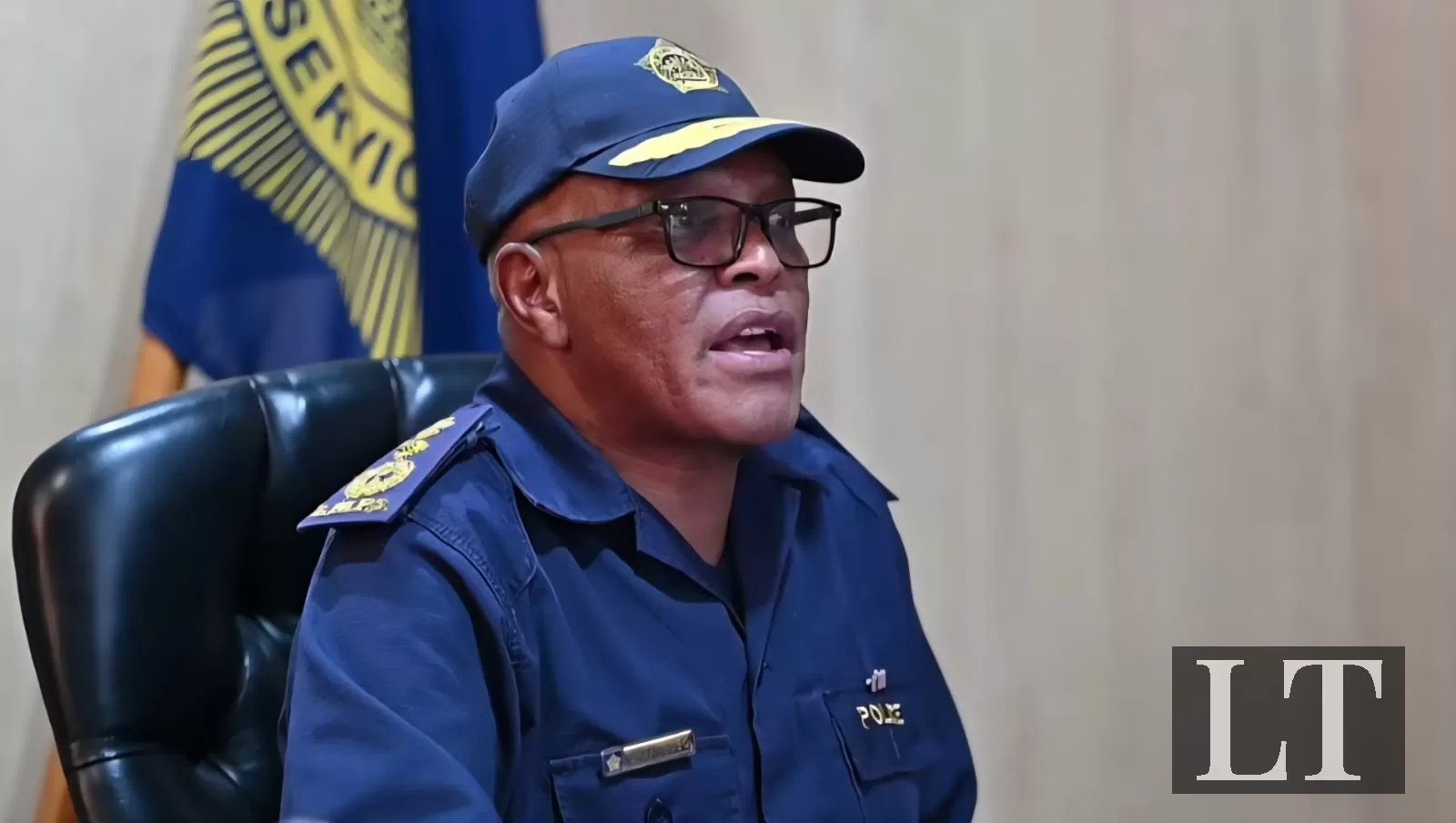
Tšolo “Tjeka Tjeka” Thakeli has restated what he says Commissioner of Police Advocate Borotho Matsoso told him after his June 2025 arrest. The warning was not a private reprimand. It was a statement of how the Lesotho Mounted Police Service would treat a citizen who named the prime minister.
Thakeli was picked up after a Facebook video that questioned Sam Matekane’s job pledges and asked where the money sat in the budget. He was charged, released, charged again, and held. He then says he was summoned by the commissioner. The line he has given, and which Lesotho Tribune recorded at the time, is this: he could speak as he liked, but he was not to mention Matekane’s name again, and the police could not guarantee him protection if he did.
That is the commissioner of police telling a taxpayer that the force he leads may stand aside if “those people” take the matter into their own hands. It is also the clearest public account of how Matsoso understands the relationship between the LMPS and the man who appointed him.
The order that followed the video
The show-cause letter, reported by the Lesotho Tribune, said the commissioner had instructed that Thakeli be called in over “disturbing utterances” about the prime minister and be stopped from attending the event at ’Manthabiseng.
The meeting was not an isolated scolding. In September 2025 Matsoso put Deputy Commissioner Paseka Mokete on notice for failing to keep Thakeli away from Matekane’s National Youth Employment Dialogue. The show-cause letter, reported by the Lesotho Tribune, said the commissioner had instructed that Thakeli be called in over “disturbing utterances” about the prime minister and be stopped from attending the event at ’Manthabiseng. Mokete was later suspended, then reinstated after the police minister intervened.
What the announcement covers
So the sequence is on record. A citizen criticises the prime minister. The police arrest him. The commissioner warns him off the name. The same commissioner then disciplines a deputy for allowing the critic back into a public hall. That is not ordinary public-order work. It is the police service being used to manage the prime minister’s political comfort.
What the midweek briefing did to Boloetse
The same pattern appeared this week. Kananelo Boloetse, the Newsday editor, was abducted from his home on 5 September, assaulted, questioned about his work, and dumped at Thaba-Bosiu. MISA Lesotho, Amnesty International and RSF have all called the attack an assault on the press. Boloetse opened a case.
Matsoso’s midweek press conference did not treat that case as a manhunt for abductors. He said the investigation could not move without Boloetse. He said the statement on file was insufficient. He said the journalist’s phone rang unanswered. He told the room to “ask your brother to come forward” and suggested Newsday was withholding a hideout. He offered protection while placing the burden on the victim.
How the decision lands
That is how a case is hollowed out in public. The abducted editor becomes the obstacle. The newspaper becomes the problem. The men who taped his mouth and drove him out of Maseru recede.
What the constitution requires of the LMPS
The police service is not a party asset. It is a public force paid by Basotho, bound to the constitution, and answerable for equal protection. A commissioner who warns a critic that protection may lapse if he names the prime minister has already described a different force: one that sorts citizens by their usefulness to the government of the day.
Thakeli’s case, Mokete’s show-cause letter, and the Boloetse briefing sit on the same line. Critics of the government meet the police first as a political problem, then as a protection problem. Elections are close. If that line holds, the next cycle will not be policed. It will be managed.
Nobody is safe under a commissioner who talks about the LMPS as if it were the private property of the Revolution for Prosperity.
Economy
In the past year, has your household’s financial situation improved, stayed the same, or become worse?
-
Improved
-
Stayed roughly the same
-
Become worse
-
Prefer not to say