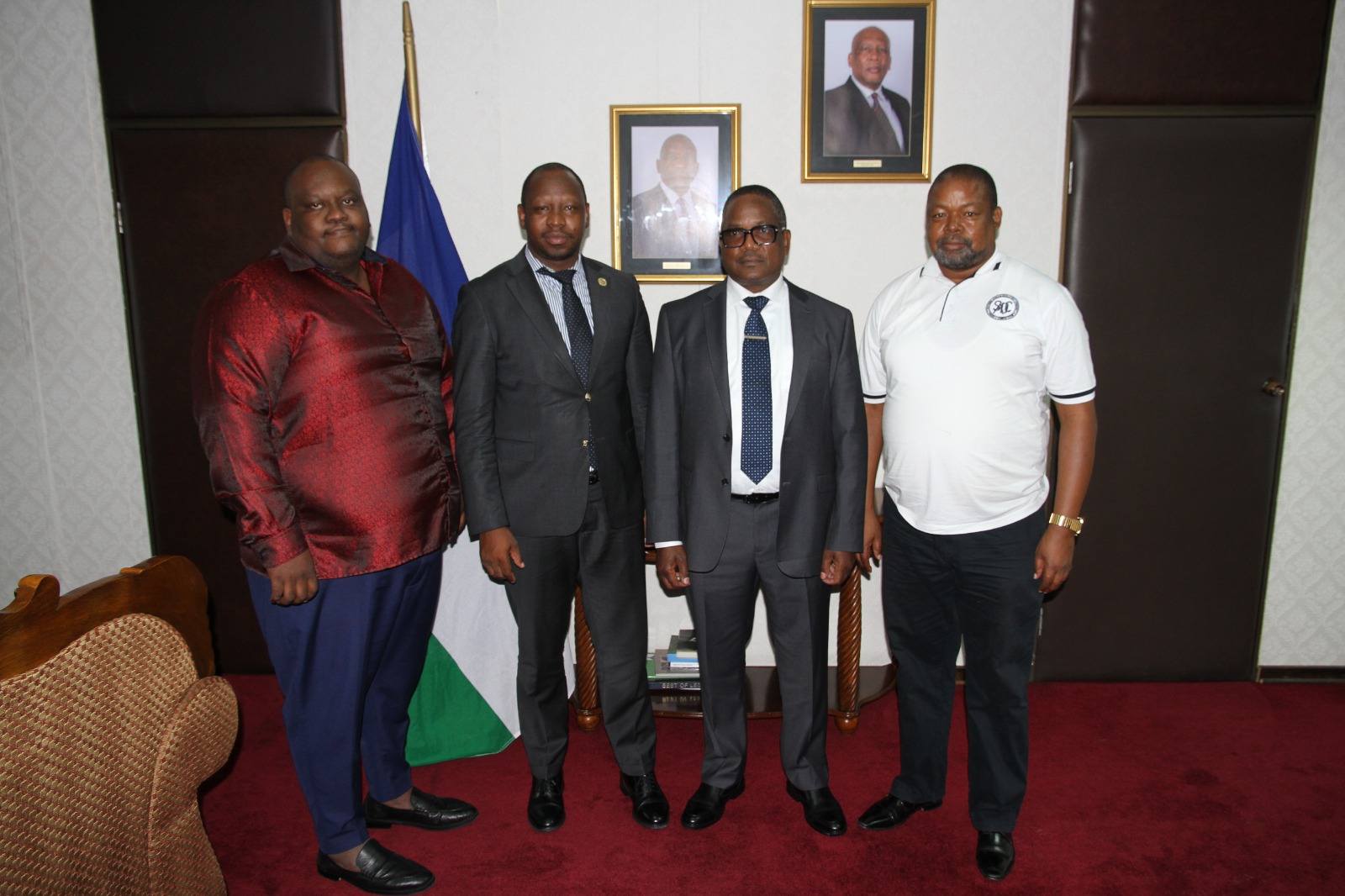
Lesotho continues to strengthen its democratic institutions through active regional cooperation and ongoing electoral reforms. The SADC Electoral Advisory Council Post-Election Review Mission to the Kingdom of Lesotho marked an important step in this process through its recent courtesy call on the Honourable Minister of Foreign Affairs and International Relations. This engagement forms part of a broader mission taking place from 23 March to 02 April 2026. The visit reflects a sustained commitment by both Lesotho and the Southern African Development Community to improve electoral systems and governance standards. It also highlights the importance of post-election assessments in ensuring that democratic processes remain credible and transparent. The mission provides a structured platform to review progress, identify gaps, and recommend practical improvements. These efforts are critical for maintaining public trust in elections and strengthening political stability in the country.
The mission is led by Judge Ticheme Dlamini, a respected member of the SADC Electoral Advisory Council from the Kingdom of Eswatini. He is supported by Mr. Terry Rose and Mr. Magabolle Mafiri from the SADC Secretariat, who bring technical expertise and institutional knowledge to the process. Their combined experience allows the mission to conduct a thorough and balanced review of Lesotho’s electoral environment. The team’s presence also signals the importance that SADC places on supporting member states in building strong democratic systems. Their role goes beyond observation, as they actively engage with national stakeholders to understand challenges and propose solutions. This collaborative approach ensures that recommendations are grounded in local realities while aligned with regional standards. It also strengthens cooperation between Lesotho and SADC institutions in advancing shared democratic goals.
A key objective of the mission is to assess the post-election environment following Lesotho’s October 2022 General Elections. This includes examining how electoral processes were managed and how institutions responded to challenges during and after the elections. The mission also reviews recommendations made by previous electoral observation teams to determine the level of implementation. This step is essential because consistent follow-up helps ensure that past lessons translate into real improvements. By tracking progress over time, the mission can identify areas where reforms have been successful and where further action is needed. This method supports a cycle of continuous improvement in electoral management. It also reinforces accountability among institutions responsible for conducting elections.
Discussions during the courtesy call focused on enhancing electoral integrity and promoting good governance across all levels of the electoral system. Electoral integrity involves ensuring that processes are free, fair, and transparent, from voter registration to the announcement of results. The mission explored ways to strengthen legal frameworks, improve institutional capacity, and enhance oversight mechanisms. These measures are necessary to prevent irregularities and build confidence among voters and political stakeholders. Good governance was also a central theme, with emphasis on accountability, transparency, and adherence to the rule of law. These principles are essential for sustaining democratic systems and preventing political instability. The discussions aimed to align national efforts with regional best practices endorsed by SADC.
Another important focus of the engagement was strengthening collaboration between Lesotho and the Southern African Development Community. Regional cooperation plays a vital role in promoting stability and shared standards across member states. By working closely with SADC, Lesotho can benefit from technical support, policy guidance, and peer learning opportunities. This partnership helps the country implement reforms that meet international benchmarks while addressing local challenges. It also creates a unified approach to electoral management within the region, which supports peaceful political transitions. Strong collaboration ensures that reforms are not isolated efforts but part of a broader regional strategy. This alignment increases the effectiveness and sustainability of democratic improvements.
The SADC Electoral Advisory Council’s Post-Election Review Mission represents a critical step in strengthening Lesotho’s democratic framework and ensuring long-term electoral credibility. By assessing the post-election environment, reviewing past recommendations, and engaging with key stakeholders, the mission provides a clear roadmap for future reforms. Its focus on electoral integrity, good governance, and regional cooperation reflects a comprehensive approach to democratic development. The courtesy call on the Honourable Minister of Foreign Affairs and International Relations reinforces the importance of high-level political support in driving these efforts. As Lesotho continues to build on its democratic progress, initiatives like this mission will play a central role in shaping a more transparent and accountable electoral system. These efforts ultimately contribute to political stability, public trust, and sustainable development in the country.
Lesotho News WhatsApp Channel | Lesotho News
Join ‘Lesotho News’ WhatsApp Channel
Get breaking Lesotho news — delivered directly to your WhatsApp.
CLICK HERE TO JOIN