The targeted population comprises an estimated 9,255 children in primary schools, 2,118 in high schools, and fewer than 50 children in Early Childhood Care and Development (ECCD) centres. At the same time, eligible non-enrolled children will also be reached through the campaign.
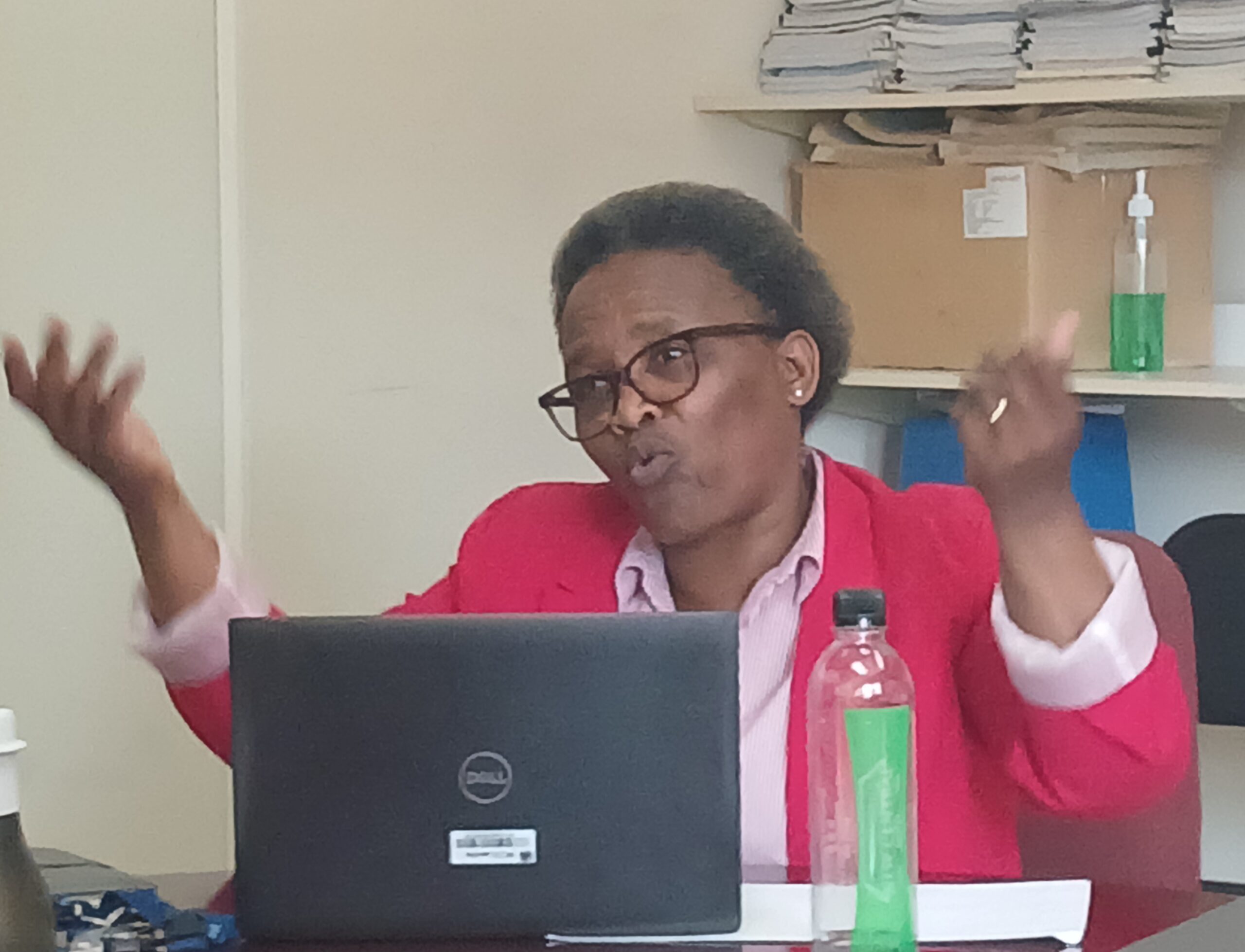
This was revealed by World Health Organisation (WHO) Lesotho MDA Assistant, Mrs. ’Mamoeketsi Mokete, during a meeting with the district’s Heads of Departments.
Mokete said the campaign will be preceded by two weeks of social mobilisation aimed at raising awareness about the exercise.
She said the campaign follows findings of a 2015 study conducted to establish the prevalence of Neglected Tropical Diseases (NTDs) in Lesotho. “The survey revealed that we have plenty of Soil-Transmitted Helminths (STHs), particularly in our school-aged children from six to 15 years. Roundworms are very common among them,” she said.
The study found a high prevalence of STHs in four districts, with Butha-Buthe recording 99.2 percent, followed by Leribe at 94 percent, Qacha’sNek at 74.7 percent and Thaba-Tseka at 54 percent.
The four districts have consequently been classified as high-risk areas, with a combined target of approximately 106,000 children for the MDA campaign.
Mokete said deworming interventions were introduced after the 2015 findings, with campaigns conducted in 2017, twice in 2018 and again in 2019 before they were interrupted by the COVID-19 pandemic. “We are about to start the exercise again because we have stopped for a long time and we might have more problems than before,” she said.
She said Albendazole is a simple, chewable and effective medicine that blocks worms from absorbing glucose, causing them to lose energy, stop growing and eventually die.
Reducing the worm burden, she added, can improve children’s nutrition, growth and school performance.
Mokete said children may experience mild adverse reactions following treatment, including abdominal discomfort, temporary nausea, dizziness or headache.“These are typically self-limiting and linked to the spontaneous death of worms inside the GI tract,” she said.
She advised district teams to provide symptomatic treatment and reassurance and ensure that each team has a documented link to an emergency medical officer and a fully stocked emergency kit.
Mokete explained that NTDs are a diverse group of diseases caused by various pathogens, including viruses, bacteria, parasites and fungi, and are associated with significant health, social and economic consequences.
She said their spread is often linked to environmental conditions, with many NTDs being vector-borne or having animal reservoirs and complex life cycles, making their control challenging.
Mokete said NTDs are particularly prevalent in areas where access to clean water, sanitation and hygiene is limited, while climate change can further worsen the situation.
She identified the major helminth species affecting Lesotho as Ascaris lumbricoides (roundworm), Trichuris trichiura (whipworm) and hookworms.
She said roundworm is transmitted through ingestion of eggs from contaminated soil or food and can result in malnutrition, stunted growth and intestinal blockage.
Whipworm, she said, is transmitted through ingestion of eggs from contaminated water and food and can cause chronic diarrhea and anemia.
Hookworms, including Ancylostoma andNecator, are transmitted when larvae penetrate the skin, often when people walk barefoot, and can cause iron-deficiency anemia and fatigue.
Mokete said NTDs remain neglected because they receive limited attention and resources despite their impact on vulnerable populations.“NTDs are diseases of neglected populations that perpetuate a cycle of poor educational outcomes and limited professional opportunities and they are associated with stigma and social exclusion,” she said.
She said the WHO recommends five core strategies for tackling NTDs: innovative and intensified disease management, preventive chemotherapy, vector control, veterinary public health, and provision of safe water, sanitation and hygiene.
Meanwhile, Qacha’s Nek Head of FNCO, Mr. Thabo Koloti, described the meeting as brief but important in preparing stakeholders for the upcoming campaign.“The meeting was too short but very important because it managed to share critical information regarding the upcoming campaign,” he told the Agency.
Koloti said the meeting was also “eye-opening” and engaging, allowing participants to seek clarification on issues they did not understand.
Ends/MAPM/tl