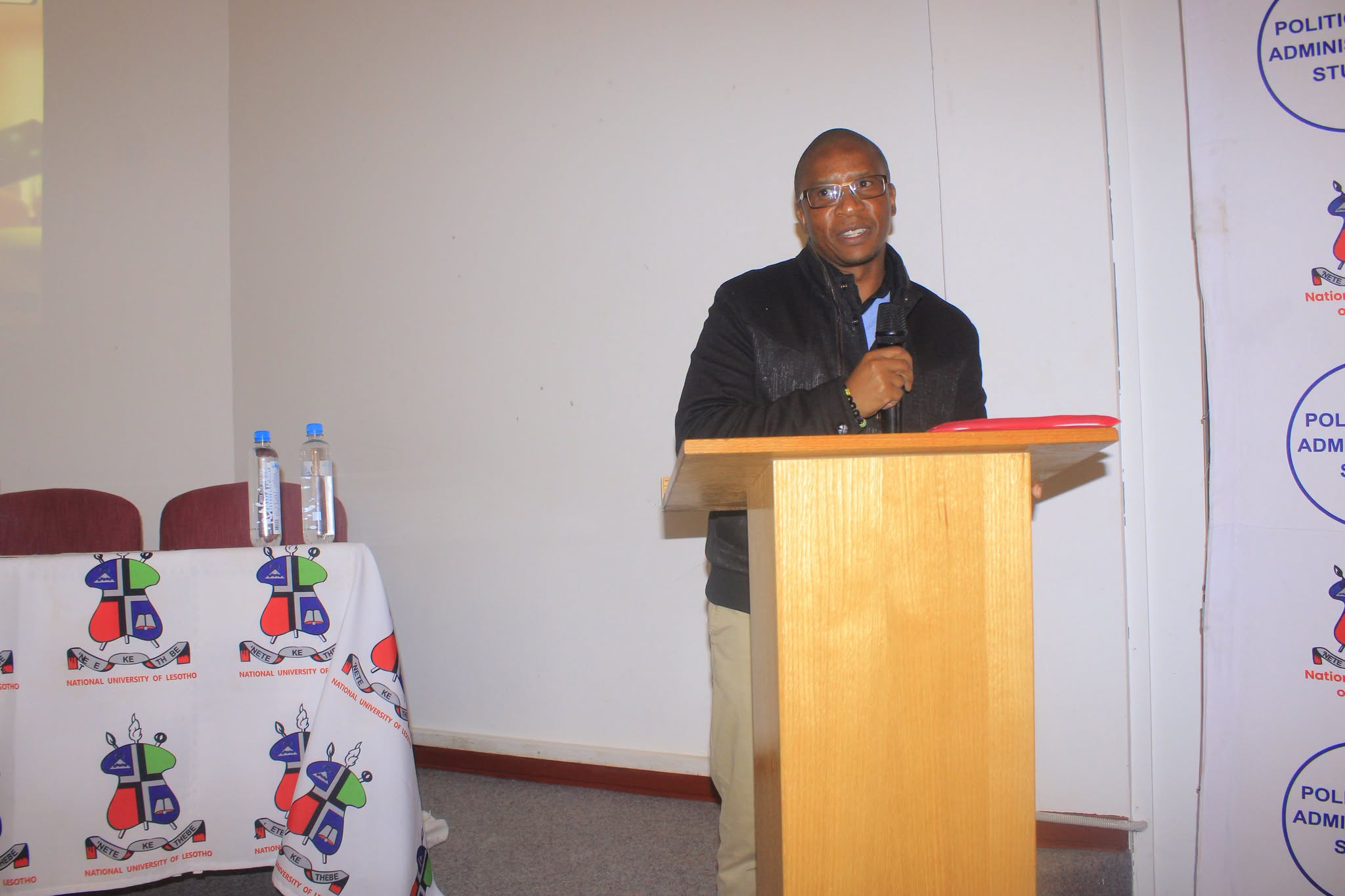
The National University of Lesotho (NUL) is bringing together scholars, policymakers and development stakeholders for a two-day academic conference examining six decades of Lesotho’s independence. The conference is being held at the NUL Roma Campus from 17 to 18 September 2026 and provides a platform for examining the country’s political, economic, social and cultural journey since independence. Convened by the Department of Political and Administrative Studies, the gathering creates an opportunity for participants to reflect on the progress Lesotho has made while considering challenges that continue to affect national development. The discussions are also focused on identifying opportunities that could shape the country’s future. Through academic research, expert perspectives and open dialogue, the conference places knowledge and evidence at the centre of conversations about Lesotho’s development.
The conference is examining a broad range of issues that have influenced Lesotho since independence and continue to shape the country’s future. Politics and governance are among the key areas under discussion, alongside economic development and the challenges facing young people in the country. Youth unemployment remains an important issue because access to employment and economic opportunities affects the ability of young people to participate fully in national development. Gender and women’s empowerment are also being addressed as part of discussions about social and economic inclusion. By bringing these issues together, the conference provides participants with an opportunity to examine how different aspects of national development are connected.
Democracy and civil society also form part of the conference discussions, reflecting the importance of institutions and citizen participation in Lesotho’s development. Education and social development are being examined alongside national security, culture and national heritage. These areas cover both the institutions that support society and the cultural identity that connects Basotho across generations. Foreign relations are also included in the programme, recognising Lesotho’s position within the Southern African region and the wider international community. Examining these subjects within a single academic forum allows scholars and policymakers to consider how political, social, economic and cultural factors interact.
A number of prominent scholars and speakers are delivering papers and sharing perspectives on Lesotho’s political, economic, social and cultural trajectory. Their contributions are providing different perspectives on the country’s experiences since independence while encouraging discussion about the issues that remain unresolved. Academic conferences such as this can provide an opportunity to test ideas against research and engage with perspectives from different fields. The exchange of views can also help identify areas where additional research may be needed to better understand complex national challenges. By creating space for informed debate, NUL is supporting discussions that extend beyond individual policy questions and examine broader patterns in Lesotho’s development.
The conference also provides an opportunity to reflect on the achievements made during the six decades since Lesotho gained independence. At the same time, the discussions recognise that national development involves continuing challenges that require sustained attention and evidence-based responses. Economic development, employment, governance, education and social inclusion remain areas where researchers and policymakers can contribute to understanding both progress and remaining gaps. The conference allows participants to consider these issues from historical and contemporary perspectives rather than examining them in isolation. This approach can help place current national debates within the broader context of Lesotho’s post-independence experience.
The focus on youth and unemployment is particularly relevant as Lesotho considers how to expand opportunities for its younger population. Young people represent an important part of the country’s human capital, making access to education, skills development and employment central to long-term economic development. Discussions on education and social development can also help examine how institutions can prepare people for changing labour markets and evolving economic needs. Gender and women’s empowerment add another dimension by considering how opportunities and participation can be expanded across society. Addressing these issues through research and policy dialogue can contribute to a more detailed understanding of the factors affecting inclusive development.
Culture and national heritage provide another important dimension to the conference because development is not limited to economic and political measures. Lesotho’s cultural traditions, historical experiences and national identity form part of the country’s heritage and influence how society understands its past and present. Discussions around culture can therefore contribute to broader debates about preserving heritage while responding to social and economic change. Foreign relations and national security, meanwhile, place Lesotho’s development within a regional and international context. Together, these themes demonstrate the wide range of issues that need to be considered when examining the country’s journey since independence.
The conference highlights NUL’s role as a centre for intellectual engagement and national discourse. As an academic institution, the university provides a space where researchers can examine national issues through evidence, analysis and debate. The conference brings that role into focus by connecting academic scholarship with discussions involving policymakers and development stakeholders. Such engagement can help strengthen the link between research and the wider public conversation about Lesotho’s future. It also gives scholars an opportunity to contribute research and ideas to discussions that have practical implications for national development.
The two-day gathering at the Roma Campus ultimately provides a structured opportunity to reflect on Lesotho’s six decades of independence while looking towards the years ahead. Through discussions on governance, economic development, youth, gender, democracy, education, security, culture and foreign relations, the conference is addressing many of the issues that continue to influence the country. The participation of scholars, policymakers and development stakeholders adds different perspectives to the conversations taking place. NUL’s emphasis on evidence-based scholarship and dialogue reinforces the role of research in understanding national challenges and exploring possible pathways for development. As Lesotho reflects on its past and considers its future, the conference provides an important academic platform for examining where the country has been, where it stands today and the issues that will shape its continued development.
Lesotho News WhatsApp Channel | Lesotho News
Join ‘Lesotho News’ WhatsApp Channel
Get breaking Lesotho news — delivered directly to your WhatsApp.
CLICK HERE TO JOIN