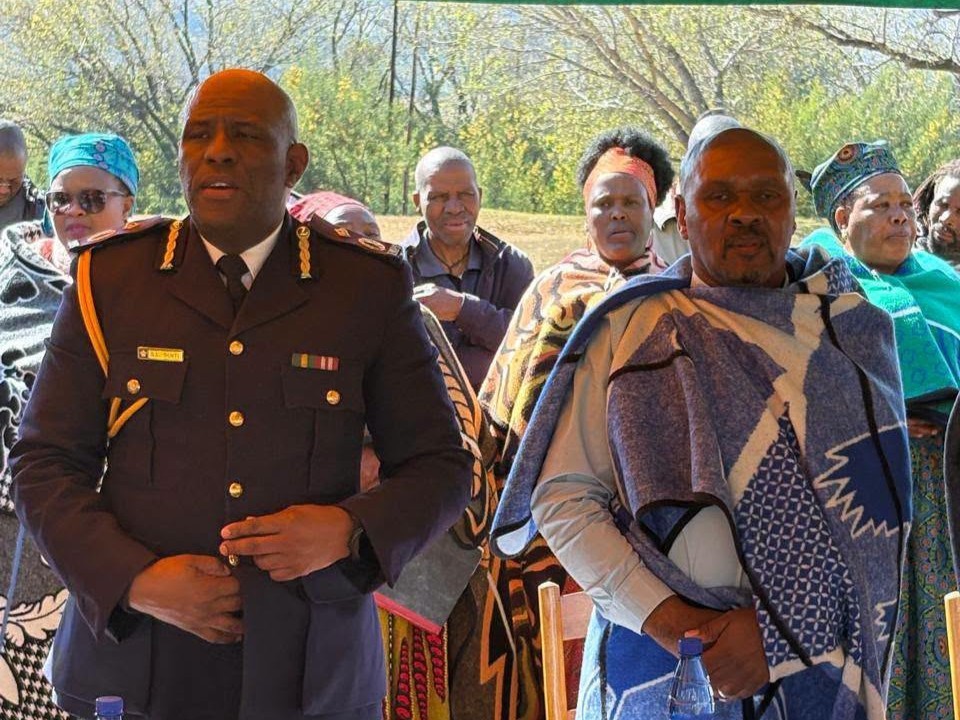
The Lesotho Police are strengthening efforts to promote good governance and public safety through a National Liaison Committee Meeting held in Rome. Led by the Maseru Police Station on the outskirts of the city, the meeting brought together key stakeholders to discuss stronger cooperation between the Liaison Committee and the police. The engagement highlights the importance of collaboration between law enforcement agencies, community representatives and other leaders in addressing issues that affect public safety. Strong relationships between the police and communities can help improve communication, build trust and support more effective responses to security concerns. The meeting in Rome therefore provides an important platform for strengthening cooperation and creating a shared approach to maintaining safer communities in Lesotho.
The National Liaison Committee Meeting is focused on improving the relationship between the committee and the Lesotho Police. Effective policing depends on more than law enforcement operations because communities also play an important role in identifying concerns, sharing information and supporting efforts to prevent crime. A strong liaison structure can create channels through which community representatives and police officials can discuss local challenges and develop practical responses. Regular engagements can also help reduce misunderstandings and encourage greater cooperation between residents and law enforcement officers. By strengthening these relationships, the police can improve their understanding of community concerns while communities can gain a clearer understanding of the role and responsibilities of the police.
Good governance is another important focus of the meeting. Good governance in public safety requires institutions to operate responsibly, communicate effectively and remain accountable to the communities they serve. Cooperation between the police and liaison structures can contribute to these objectives by creating opportunities for dialogue and greater public participation. Community engagement can also help ensure that safety initiatives take local circumstances into account rather than relying on a single approach across different areas. Building stronger governance mechanisms can therefore support public confidence in law enforcement and contribute to a more coordinated approach to safety.
Public safety remains a shared responsibility that requires cooperation between government institutions, law enforcement agencies, community leaders and residents. Police officers have a central role in preventing and responding to crime, but community participation can provide valuable information about local conditions and emerging concerns. Liaison committees can help connect these different groups and create a more structured process for communication. This can be particularly useful when communities face challenges that require cooperation rather than enforcement alone. The meeting in Rome demonstrates the value of maintaining regular dialogue between the police and stakeholders who have a direct interest in the safety and wellbeing of their communities.
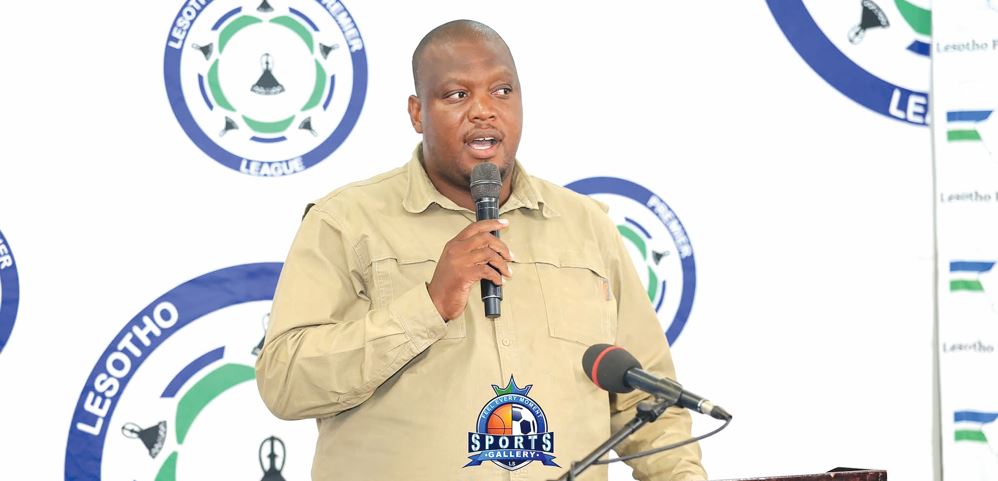
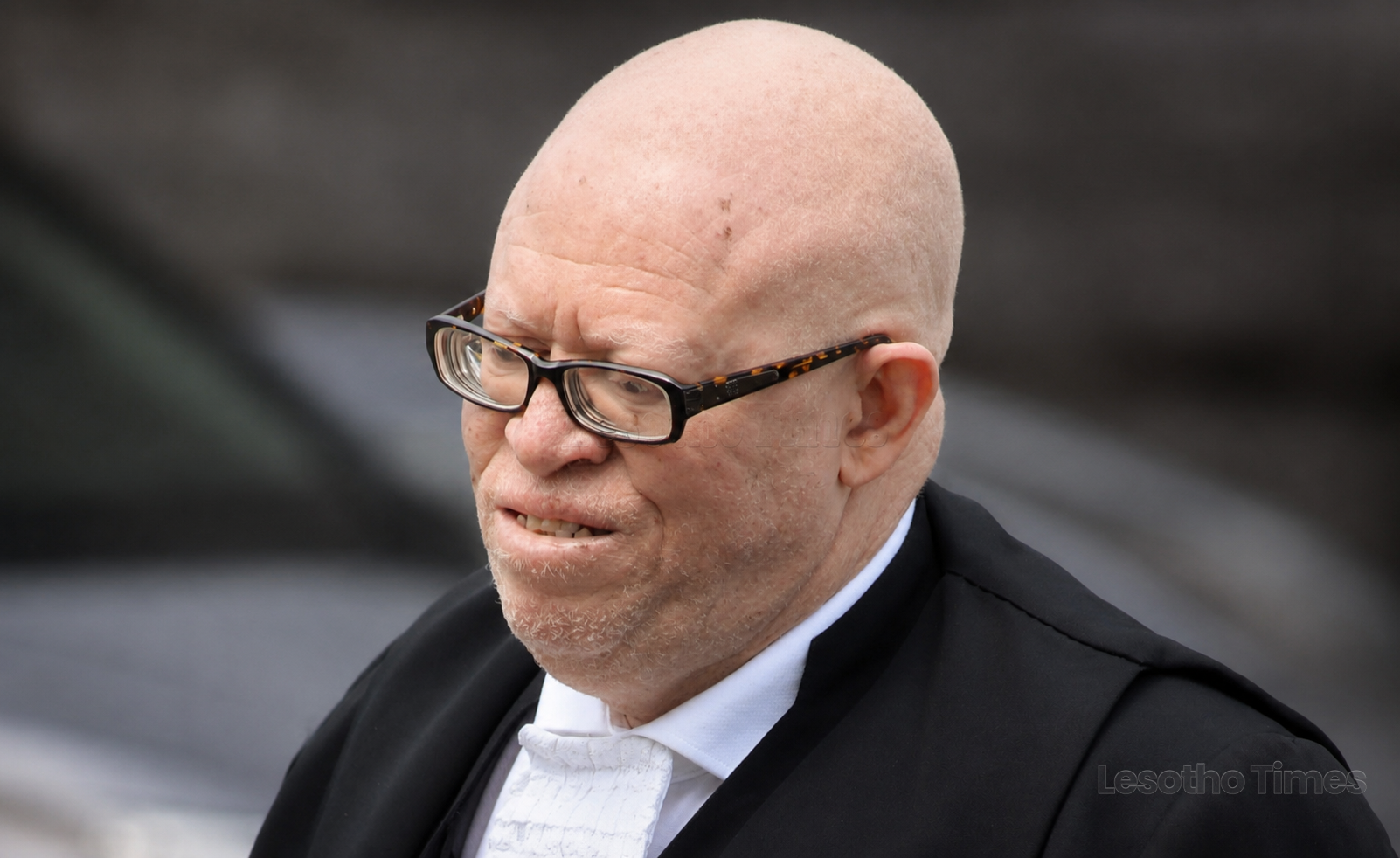
The attendance of the Honourable Pitso Lesaoana and the Chief of Ha Maama, Chief Seeiso Mitchell Maam, adds further significance to the engagement. The participation of public and traditional leadership can help strengthen cooperation between law enforcement structures and community institutions. Traditional leaders often maintain close relationships with communities and can provide valuable perspectives on local concerns and social dynamics. Their involvement in discussions about public safety can help create stronger links between formal policing structures and community-based leadership. Such collaboration can support more effective communication and encourage communities to participate actively in initiatives aimed at preventing crime and improving safety.
The meeting also highlights the importance of maintaining cooperation beyond individual policing operations. Long-term public safety requires ongoing engagement, shared responsibility and a willingness to address concerns before they develop into larger problems. Regular meetings can give stakeholders an opportunity to review challenges, exchange information and consider ways to improve coordination. They can also provide a platform for identifying areas where additional resources, community awareness or institutional support may be needed. A consistent liaison process can therefore contribute to a more responsive public safety system.
Building public trust is another potential benefit of stronger police-community cooperation. Residents are more likely to engage with law enforcement when they feel that their concerns are heard and taken seriously. Open communication can help address misconceptions and provide communities with accurate information about policing activities and public safety measures. Police officials can also gain a better understanding of how residents experience safety issues in their communities. Trust built through regular engagement can make it easier for communities and police officers to work together when responding to crime and other security challenges.
The National Liaison Committee Meeting in Rome comes at a time when cooperation remains important to the broader goal of strengthening public safety in Lesotho. The involvement of the Maseru Police Station and community leadership creates an opportunity to develop stronger links between law enforcement and the people they serve. While a single meeting cannot resolve every public safety challenge, continued dialogue can establish a foundation for better coordination and shared problem-solving. The success of the initiative will depend on how discussions are translated into practical actions and sustained cooperation at community level. Maintaining these relationships can help ensure that public safety remains a shared priority supported by both institutions and communities.
The Lesotho Police’s engagement with the National Liaison Committee reflects the importance of partnership in building safer communities and strengthening good governance. By bringing police officials together with community and traditional leadership, the meeting provides a platform for addressing public safety through cooperation and communication. The participation of the Honourable Pitso Lesaoana and Chief Seeiso Mitchell Maam further demonstrates the value of involving leadership structures in discussions that affect communities. Continued engagement between the police, liaison committees and local leaders can help strengthen trust, improve information sharing and support more responsive policing. Through sustained cooperation, Lesotho can continue working towards public safety structures that are accountable, community-focused and better equipped to respond to the needs of its people.
Lesotho News WhatsApp Channel | Lesotho News
Join ‘Lesotho News’ WhatsApp Channel
Get breaking Lesotho news — delivered directly to your WhatsApp.
CLICK HERE TO JOIN