Thailand has recorded 732 melioidosis cases and 23 deaths between 1 January and 16 April, as health authorities continue to monitor the spread of the bacterial infection nationwide.
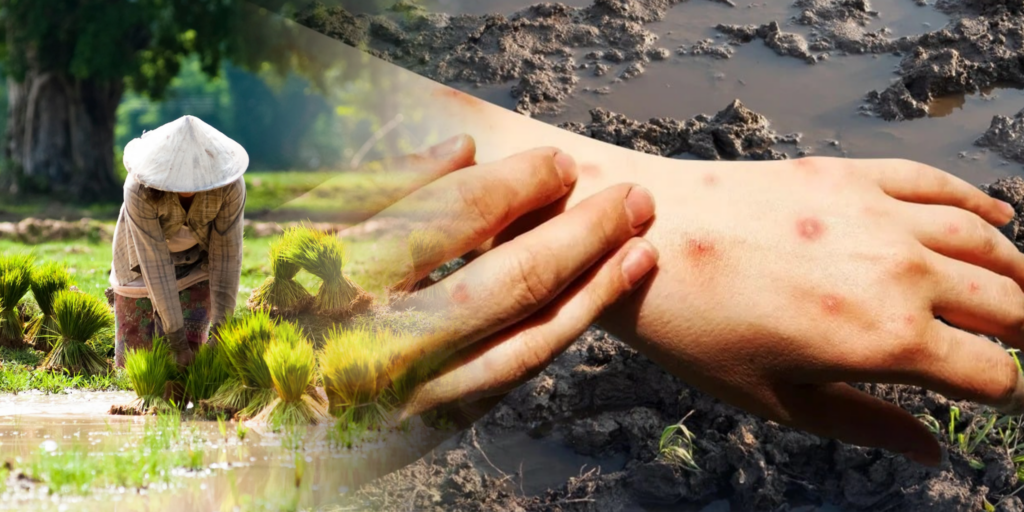
The disease is caused by bacteria found in soil and water. It enters the body through open wounds, inhaled contaminated dust, or unsafe drinking water.
Symptoms begin with fever, headaches, and muscle pain, and can progress to coughing and breathing difficulties. In severe cases, the infection spreads into the bloodstream and becomes life-threatening.
Farmers and outdoor workers face the highest risk due to regular contact with soil and water. People with diabetes, kidney disease, or weakened immune systems are also more vulnerable.
Data from the Ministry of Public Health shows that one health zone in Khon Kaen alone recorded 68 infections and two deaths. Most patients are over 50 years old. The majority of cases were reported in the Northeast of Thailand including Khon Kaen, Maha Sarakham, Roi Et, Buriram, and Kalasin provinces.
Authorities are urging the public to avoid direct contact with soil and untreated water where possible, and to wear boots and gloves when working outdoors. Anyone who develops a persistent fever, breathing difficulties, or an infected wound should seek medical care immediately.
The disease responds well to treatment when caught early.
The 2025 Outbreak
The latest figures follow a much larger outbreak in 2025
From January to late July of that year, Thailand recorded 2,036 melioidosis cases and 92 deaths nationwide. Health officials said infections spiked during the rainy season, when people are more exposed to contaminated soil and water.
The outbreak mainly affected farmers and laborers in northeastern provinces bordering with Laos such as Mukdahan, Yasothon, and Nakhon Phanom.