
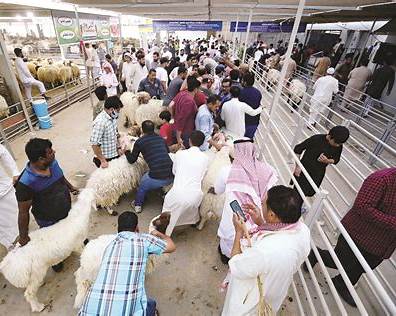
Kuwait’s slaughterhouses and temporary abattoirs are fully prepared to handle Eid Al-Adha sacrifices this year, with authorities stepping up health, safety and logistical measures to ensure smooth operations during one of the busiest periods on the religious calendar.
Officials have confirmed that central slaughterhouses, along with temporary facilities set up across various governorates, are ready to receive large numbers of worshippers seeking to perform the traditional Eid sacrifice.
Authorities are also intensifying veterinary inspections and hygiene procedures to guarantee meat safety and protect public health.
The Public Authority for Food and Nutrition (PAFN) has earlier stated that all slaughterhouses are equipped with veterinary teams and technical staff to inspect livestock before and after slaughter to ensure compliance with health regulations. Officials have repeatedly warned residents against using unlicensed roaming butchers due to health and safety risks.
Eid Al-Adha, expected to begin in Kuwait on May 27, remains one of the holiest occasions in Islam and is marked by the ritual sacrifice of sheep, goats or other livestock in remembrance of Prophet Ibrahim’s obedience and faith.
Preparations at livestock markets and slaughterhouses have intensified in recent days, with increased demand for sheep and sacrificial animals ahead of the holiday. Authorities are also expected to regulate crowd movement and maintain sanitation standards to handle the seasonal rush efficiently.
Industry observers say Kuwait’s organized slaughterhouse network plays a crucial role during Eid by ensuring proper religious procedures, maintaining food safety standards and preventing illegal slaughtering practices in residential areas.
For many families in Kuwait, the Eid sacrifice remains a deeply rooted religious and social tradition that combines worship, charity and family gatherings, while also supporting local livestock and meat supply chains.


