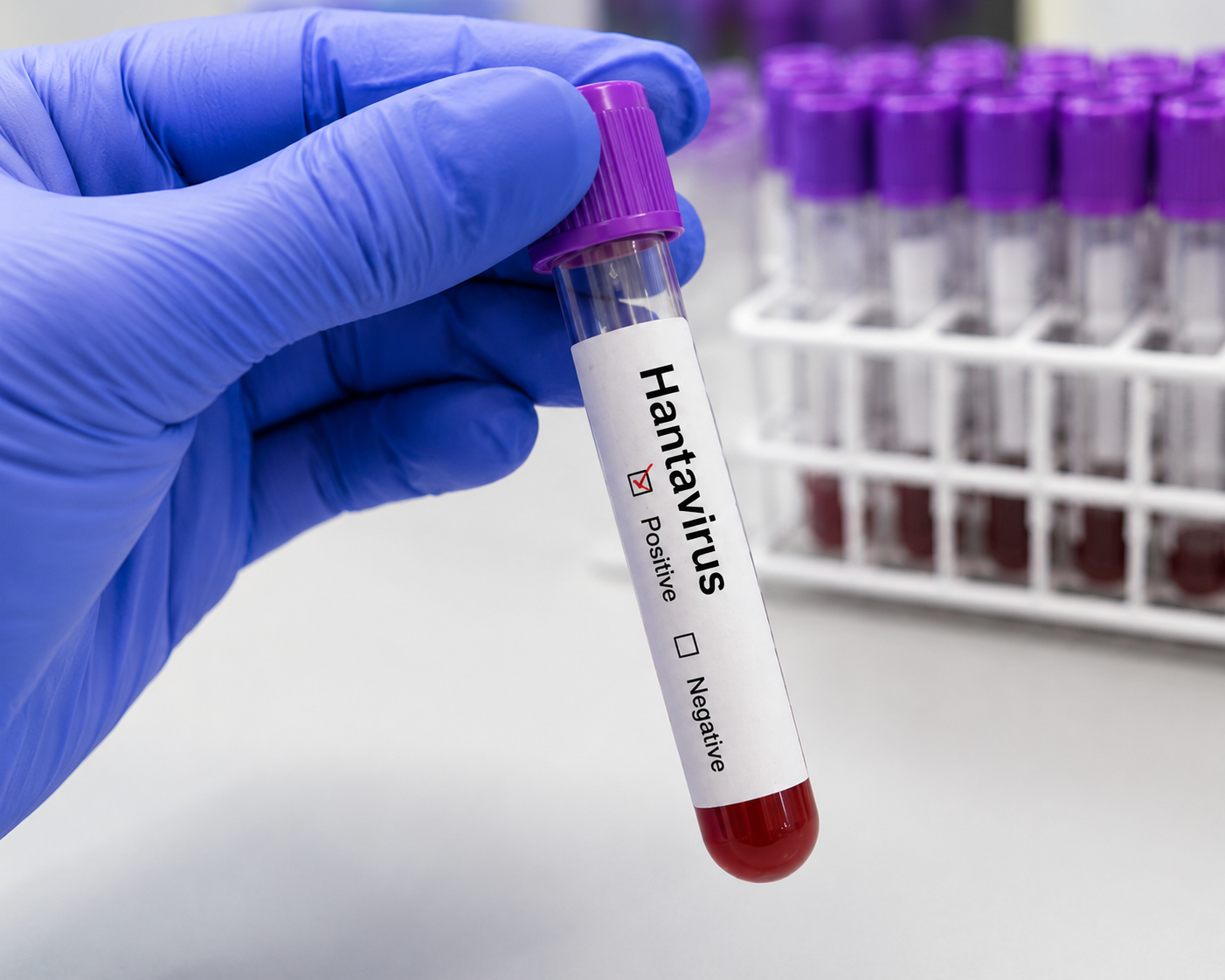
NAIROBI, Kenya, May 8 — The World Health Organization (WHO) has issued updated information on hantaviruses, a group of viruses spread mainly by rodents that can cause severe illness in humans — including life-threatening lung and kidney complications.
What are hantaviruses?
Hantaviruses are zoonotic viruses, meaning they are naturally carried by animals and can sometimes spread to humans. The primary carriers are rodents such as rats and mice, which can carry the virus without appearing sick.
Humans typically become infected after exposure to infected rodents or their urine, droppings, or saliva.
The viruses belong to the Hantaviridae family and are found in different parts of the world, with disease patterns varying by region.
How do people get infected?
Transmission usually happens when people inhale tiny virus particles released into the air from dried rodent waste.
Common risk situations include:
- Cleaning poorly ventilated rooms or cabins with rodent infestations
- Farming or forestry activities
- Sleeping in rodent-infested buildings
- Handling contaminated materials
- Exposure to rodent bites, although this is less common
WHO says the risk increases in enclosed spaces where rodent droppings accumulate.
Can hantavirus spread between people?
In most cases, no.
However, WHO notes that the Andes virus in South America is the only hantavirus known to cause limited human-to-human transmission. This has mainly been documented among close household contacts or intimate partners in countries such as Argentina and Chile.
Even then, transmission remains uncommon.
What diseases does hantavirus cause?
The illness caused by hantavirus depends on the region and virus type.
1. Hantavirus Cardiopulmonary Syndrome (HCPS)
Found mainly in the Americas, HCPS affects the lungs and heart and can rapidly become fatal.
Symptoms may begin like the flu but can worsen quickly.
Key signs include:
- Fever
- Headache
- Muscle aches
- Nausea or vomiting
- Abdominal pain
- Cough
- Shortness of breath
- Fluid buildup in the lungs
- Shock in severe cases
WHO says HCPS can have a fatality rate of up to 50%.
2. Haemorrhagic Fever with Renal Syndrome (HFRS)
Common in Europe and Asia, HFRS mainly affects the kidneys and blood vessels.
Severe cases may cause:
- Low blood pressure
- Bleeding disorders
- Kidney failure
How common is hantavirus?
Globally, hantavirus infections are considered relatively rare, but they remain a serious public health concern because of their high fatality rates.
WHO estimates between 10,000 and more than 100,000 infections occur each year worldwide.
Regional patterns
- Asia and Europe: Thousands of HFRS cases are reported annually
- China and South Korea: Continue to record large numbers of infections
- Europe: Several thousand cases occur mainly in northern and central regions
- The Americas: HCPS cases are much rarer, with only hundreds reported yearly
Countries in South America including Argentina, Brazil, Chile, and Paraguay report small numbers of infections annually, but severe disease remains a major concern.
Why is diagnosis difficult?
Early hantavirus symptoms resemble many other illnesses, including:
- Influenza
- COVID-19
- Viral pneumonia
- Dengue
- Leptospirosis
- Sepsis
Because of this, doctors rely heavily on patient history, especially possible rodent exposure, travel history, or occupational risks.
Laboratory testing may include:
- Antibody tests
- RT-PCR testing to detect viral genetic material
WHO warns that patient samples pose a biohazard risk and require strict laboratory containment measures.
Is there a cure or vaccine?
Currently, there is:
- No licensed antiviral treatment
- No approved vaccine for widespread use
Treatment focuses on supportive care, including:
- Oxygen support
- Intensive care monitoring
- Management of heart, lung, and kidney complications
WHO stresses that early medical care greatly improves survival chances, especially in severe HCPS cases.
How can people protect themselves?
Prevention mainly centres on avoiding contact with rodents and contaminated environments.
WHO recommends:
- Keeping homes and workplaces clean
- Sealing holes where rodents can enter
- Storing food securely
- Practising proper hand hygiene
- Wetting contaminated areas before cleaning
- Avoiding dry sweeping or vacuuming rodent droppings, which can release virus particles into the air
What happens during outbreaks?
During suspected outbreaks, health authorities may:
- Isolate suspected cases
- Monitor close contacts
- Strengthen infection prevention measures
- Increase public awareness campaigns
Hospitals are advised to apply strict infection prevention and control procedures, especially during aerosol-generating medical procedures.
WHO’s role
WHO says it is working with countries and partners to improve:
- Disease surveillance
- Laboratory testing capacity
- Early detection systems
- Public communication
- Patient care and outbreak response
The agency is also promoting a “One Health” approach, which recognises the connection between human health, animal health, and environmental conditions in preventing disease outbreaks.