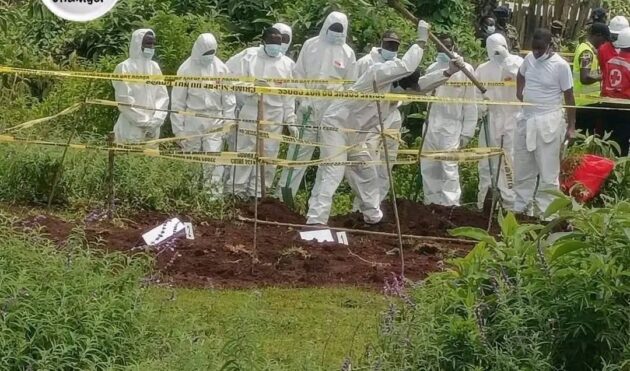
The investigation into the mass grave in Kericho has shifted from homicide to possible criminal negligence, documentation failures, and unlawful handling of human remains. Detectives say charges may arise under three key laws:
1. Births and Deaths Registration Act (Cap. 149)
This law strictly governs how deaths must be recorded, documented, and authorized before burial.
Key legal breaches in this case:
- Failure to register deaths properly
The law requires compulsory registration of all deaths and entry of full details in official registers. - Missing or incomplete records
Registrars must record “prescribed particulars” including identity, date, place, and cause of death. - Illegal burial without permit
No burial is allowed without an official permit issued after proper registration.
Why it matters here:
DCI findings that bodies lacked standard tags and documentation, and that mortuary records don’t match hospital death records, suggest systemic violation of mandatory registration and burial procedures.
2. Public Health Act (Cap. 242)
This law regulates handling, storage, and disposal of human remains, as well as sanitation and public health standards.
Potential violations:
- Improper disposal of bodies
The law requires that bodies be buried in authorized cemeteries under regulated conditions. - Failure of health oversight duties
Health authorities must take all necessary measures to safeguard public health and prevent risks. - Irregular cemetery operations
Questions around Makaburini Cemetery’s legal status and record-keeping may point to unregulated burial practices.
Why it matters here:
Transporting bodies in bags, poor record-keeping, and unclear burial authorization raise concerns about public health risks and unlawful disposal of human remains.
3. Penal Code (Cap. 63)
The Penal Code provides for criminal liability where negligence, misconduct, or falsification occurs.
Relevant offences investigators may consider:
- Neglect of official duty
Public officers can be charged for failing to perform statutory duties. - Falsification or absence of records
Offences include false statements or failure to maintain official registers, including death records. - Negligent acts endangering public health or dignity of the dead
The law criminalizes reckless or negligent conduct causing harm or risk.
Why it matters here:
The breakdown in mortuary tagging, missing documentation, and unauthorized transfers of bodies could amount to criminal negligence or abuse of office.
Bottom line
While no evidence of murder has been found, investigators are focusing on:
- Breakdown of legal death registration systems
- Improper handling and disposal of bodies
- Possible criminal negligence and abuse of office
If proven, these violations could lead to criminal charges against hospital officials, mortuary staff, and other actors involved in the chain of custody and burial process.