NAIROBI, Kenya, Mar 31 — The Director of the Directorate of Criminal Investigations (DCI) has dismissed speculation linking dozens of human remains discovered in a mass grave in Kericho to murder, saying investigators are instead pursuing cases of negligence and violations of public health and documentation laws.
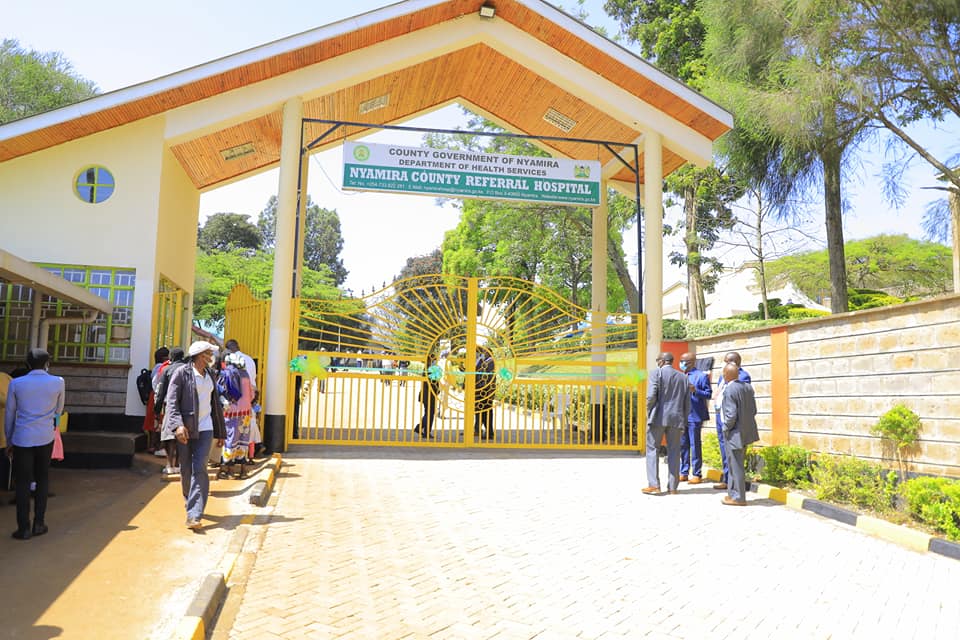
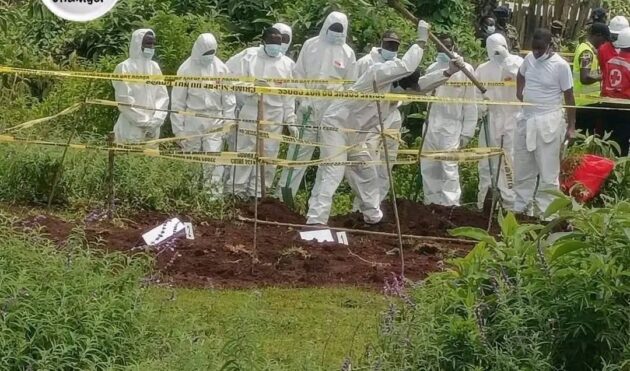
DCI Director Mohamed Amin said preliminary findings show the remains originated from the Nyamira Teaching and Referral Hospital mortuary and were improperly handled before being buried at Makaburini Cemetery, owned by the National Council of Churches of Kenya (NCCK) Kericho branch.
“People are talking about mass murder. This is nothing about murder here. We are just talking about negligence and accountability, and we will take appropriate action,” Amin told reporters.
Investigators recovered thirty-nine human remains from the site, comprising thirty-three bodies and six body parts.
Amin said most of the remains lacked proper mortuary identification, raising serious concerns over record-keeping and burial procedures.
“We noted severe irregularities in mortuary tagging and documentation. The vast majority of the 39 remains lacked the standard official mortuary tags,” he said.
“Only a few had illegible hospital tags or informal handwritten wrist or foot tags.”
Hospital records indicate that forty-six infants may have died in wards and were transferred to the mortuary, but documentation does not account for their discharge or burial—pointing to significant gaps in records management.
The investigation has established that all the remains originated from the Nyamira hospital mortuary, a finding acknowledged by hospital officials, Amin said.
Detectives have also obtained surveillance footage showing that on March 19, 2026, four bags were loaded into a white Toyota Land Cruiser by the hospital’s chief mortician under the supervision of the facility’s public health officer. The vehicle has since been impounded as evidence.
Foresnsic analysis
Authorities are now undertaking further forensic analysis, including DNA and toxicology tests by the Government Chemist, to identify the deceased infants and fetuses.
Investigators are also tracing the parents of the infants and collecting reference DNA samples from patients who underwent amputations at the hospital for comparison with the recovered body parts.
Additionally, forensic teams are reviewing hospital, mortuary, and court records, while seeking administrative documents from the NCCK Kericho branch—including employment records and land registration details—to establish whether Makaburini Cemetery is a gazetted public burial site.
So far, six suspects have been arrested in connection with the case. Three were released after questioning but remain under investigation, while three others—the hospital’s chief mortician, the public health officer, and the cemetery caretaker—remain in custody under court orders.
Amin said investigators are examining possible offenses under the Births and Deaths Registration Act, the Penal Code, and the Public Health Act.
The case file will be forwarded to the Office of the Director of Public Prosecutions upon completion of investigations.
The matter is ongoing in court and is scheduled for mention on April 23.