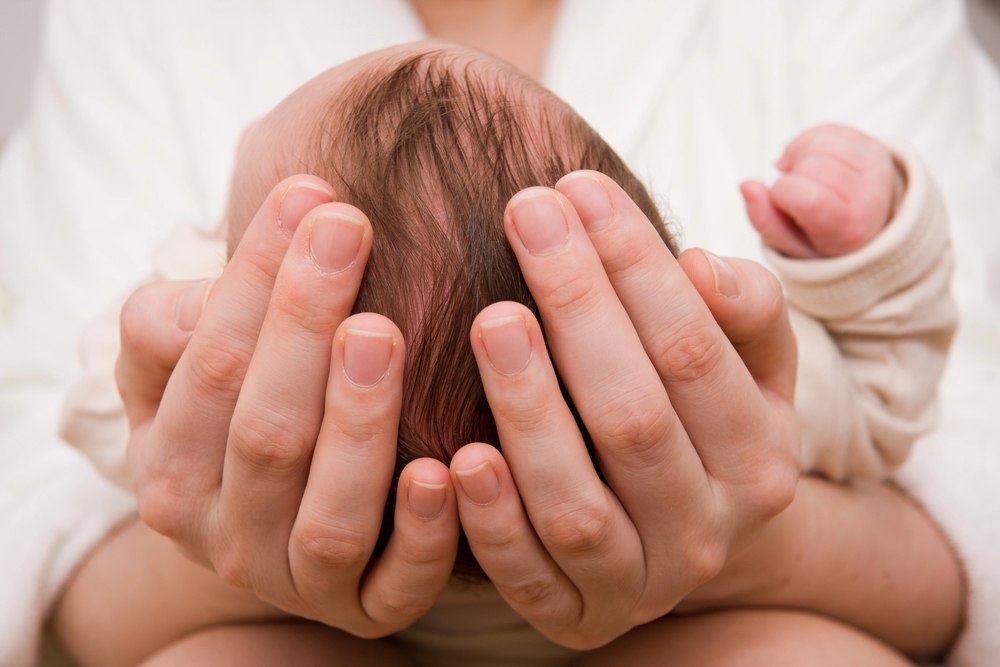
Uzbekistan has completed the first healthcare program financed through the Ishonch Fund, a mechanism established under the restitution agreement between Uzbekistan and Switzerland to channel returned assets into public development projects. The initiative invested $43.5 million in maternal and newborn healthcare across the country, marking the fund’s first large-scale use for social sector reform, the Ministry of Economy and Finance said.
The project, “Every Mother and Child Survives and Thrives: Reducing Preventable Maternal and Newborn Deaths in 227 Perinatal Centres of Uzbekistan,” was launched in September 2023. It officially concluded at a June 25 ceremony attended by representatives of Uzbekistan’s government, the Swiss Embassy, United Nations agencies, and international development partners.
Implemented jointly by UNICEF, UNFPA, and the World Health Organization, the program focused on modernizing perinatal services, upgrading medical infrastructure, and improving the skills of healthcare professionals.
More than 231 perinatal healthcare facilities across Uzbekistan received modern medical equipment, including advanced incubators, respiratory support systems, anesthesia machines, and other life-saving devices. Around $31 million of the project’s budget was dedicated to purchasing and installing this equipment, expanding the capacity of hospitals to care for mothers with high-risk pregnancies and newborns requiring intensive treatment.
Investment also extended to the country’s medical workforce. More than 80,000 healthcare professionals completed specialized training in modern perinatal care, high-risk pregnancy management, neonatal intensive care, and laboratory diagnostics. The program also supported the development and revision of 49 national clinical protocols, helping align maternal and newborn care with international medical standards.
Public outreach formed another major part of the initiative. Nationwide awareness campaigns encouraging women to receive regular antenatal care reached nearly 20 million people, while improved maternal and perinatal healthcare services benefited almost four million citizens.
According to monitoring data presented at the closing event, the share of preventable maternal deaths declined from 77.3% in 2022 to 62.8%, a decrease of 14.5 percentage points. Survival rates among newborns, particularly babies born with extremely low birth weight, increased by around 13% during the life of the program.
Regina Castillo, UNICEF Representative in Uzbekistan, said the results demonstrate what can be achieved through cooperation between Uzbekistan’s government, Switzerland, civil society, and UN agencies.
“The introduction of modern medical equipment and advanced clinical practices in hundreds of perinatal facilities has significantly expanded access to high-quality maternal and newborn healthcare services across the country,” she said.
Swiss Ambassador Konstantin Obolensky linked the project to Switzerland’s asset restitution priorities.
“The restitution of illicitly acquired assets and their transparent and accountable use remain among Switzerland’s key priorities,” Obolensky said. “The Ishonch Fund serves as a practical example of how returned assets can directly improve people’s quality of life.”
Deputy Minister of Economy and Finance Otabek Fazilkarimov said the effective use of restituted assets plays an important role in developing human capital and advancing reforms in the social sector.
The Ishonch Fund finances development programs implemented by UN agencies under the oversight of representatives from both governments, the UN, and civil society.
As previously reported by The Times of Central Asia, the Federal Criminal Court in Bellinzona suspended part of a money-laundering case against Gulnara Karimova after she failed to appear at trial. The court said it had exhausted all options to secure her participation, including sending representatives to Uzbekistan in August 2024 to discuss possible arrangements with the country’s Supreme Court. After Uzbekistan’s authorities formally declined the request in January 2026, the judges ruled that proceedings against Karimova could not continue in her absence.