An unmanned spacecraft has launched from the Baikonur Cosmodrome in Kazakhstan, marking the first take-off from a key launch pad that was damaged in November.
The Progress MS-33 spacecraft is carrying nearly three tons of food, fuel and other supplies for the International Space Station, where docking is scheduled to occur on Tuesday.
An antenna used to ensure automatic docking with the space station remained unfolded after the cargo ship launched on a Soyuz-2.1a rocket on Sunday, according to Roscosmos, the Russian space agency. As a result, cosmonaut Sergei Kud-Svichkov, who is on board the space station, will conduct a manual docking of the approaching spacecraft, it said.
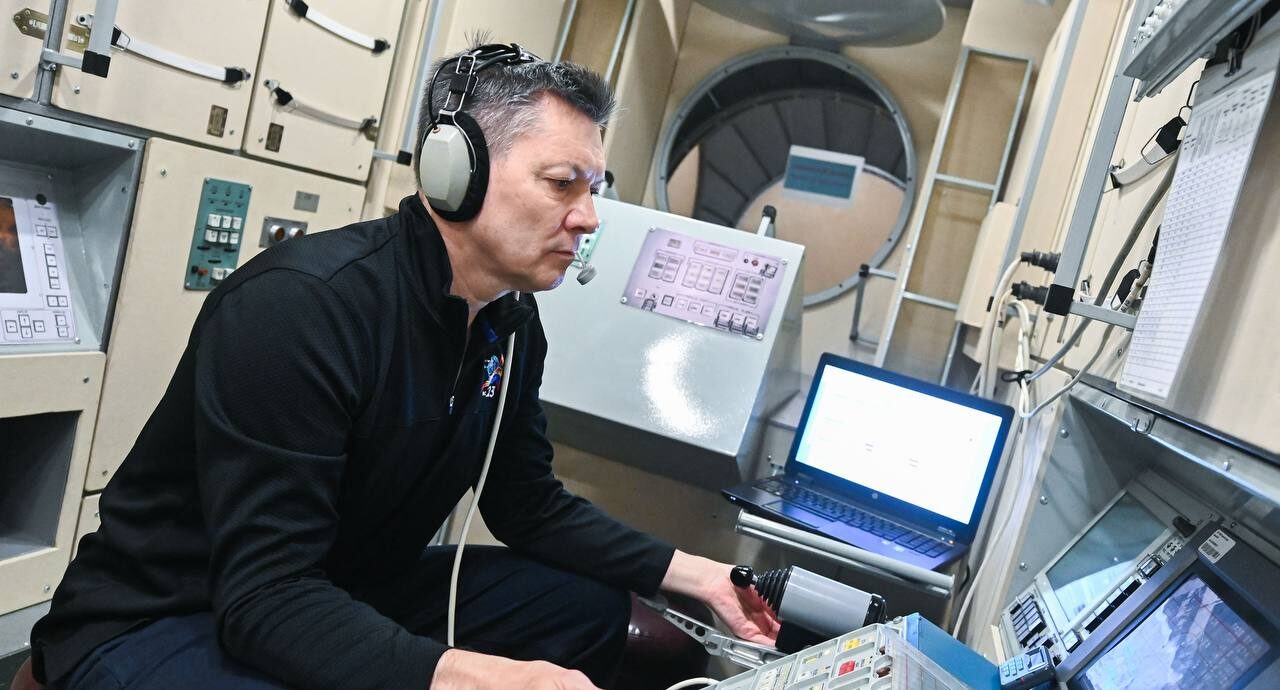
Cosmonauts regularly train for such manual approaches.
Roscosmos had said the launch on Sunday would be the first from Baikonur’s “launch complex No. 31 after its reconstruction — the main platform for the Russian space program.”
A spacecraft that launched in November with two Russian cosmonauts and one NASA astronaut safely reached the International Space Station, but damage to the launch pad raised concerns about delays in the resupply of the station.
Supplies on the cargo ship currently heading to the space station include fuel, drinking water, food rations, equipment for repairs and maintenance, oxygen, and medical supplies.
The craft will remain docked to the station for about six months “before departing for a destructive re-entry into Earth’s atmosphere to dispose of trash loaded by the crew,” NASA said. The U.S. space agency noted that another Russian spacecraft had undocked from the station on March 16, “re-entered Earth’s atmosphere, and burned up harmlessly over the Pacific Ocean.”