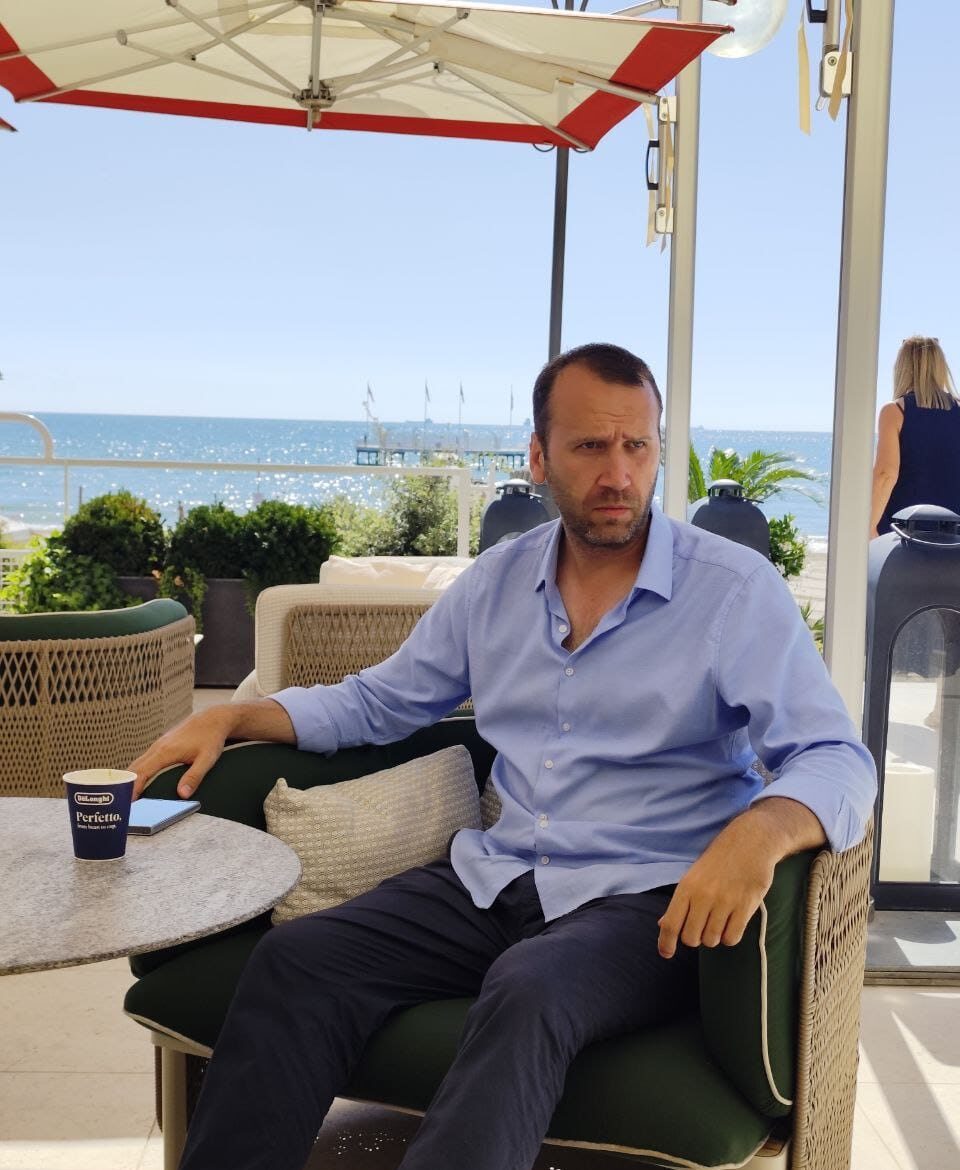
Gennady Shipovskikh, a member of Kazakhstan’s Senate, has proposed restoring state oversight of driving schools, linking the initiative to a sharp increase in traffic accidents across the country.
According to figures cited by the senator, the number of road accidents has nearly doubled over the past three years. In 2023, approximately 15,800 accidents were recorded in Kazakhstan. This figure rose to about 31,500 in 2024 and exceeded 36,000 in 2025. In total, more than 100,000 people were reported injured during this period.
Shipovskikh attributes the worsening situation partly to reduced state supervision of driver training standards. At present, most driving schools in Kazakhstan are privately operated: of 727 institutions nationwide, 567 are privately owned, while 160 are state-run.
He noted that regulatory changes in recent years have significantly altered the sector. In 2016, the licensing system for driving schools was replaced with a notification-based procedure, and in 2018, direct state oversight was abolished.
He said these reforms have contributed to declining training standards and growing public distrust in the quality of instruction.
As a possible solution, Shipovskikh has proposed reinstating an accreditation mechanism for driving schools. Under such a system, institutions whose graduates are repeatedly involved in traffic accidents could face the suspension or revocation of their operating permits. He also called for tighter monitoring of compliance with training requirements, particularly in the private sector, as well as the creation of a unified national driver training framework.
He also highlighted the need to establish a centralized analytical platform to enable more detailed study of accident causes and to support the development of preventive policies.
“We must not forget that behind every traffic accident lies a tragedy for families and society,” he said in remarks addressed to Prime Minister Olzhas Bektenov.
Alongside reforms in driver education, Shipovskikh proposed introducing modern traffic-management tools.
Among these measures is the use of so-called “waffle markings” at congested intersections. These road markings prohibit vehicles from entering an intersection if traffic conditions prevent them from clearing it, thereby helping to reduce congestion and the risk of collisions. Such practices are already widely used in major cities worldwide and have proven effective in improving road safety.
The Times of Central Asia previously reported that Senator Zhanna Asanova had proposed allowing private laboratories to conduct medical examinations of drivers for intoxication as part of wider discussions on road safety policy.