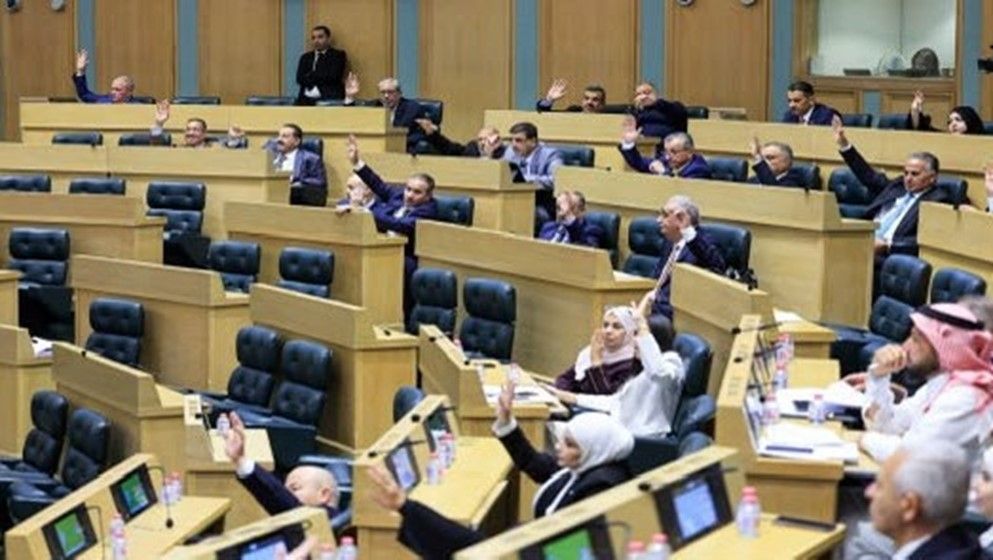
Jordan’s House of Representatives is scheduled to discuss, during its legislative session on Tuesday, the Economy and Investment Committee’s recommendation regarding the 2026 Draft Law Repealing the Civil Consumer Corporation Law.
The proposed legislation is part of the government’s plan to restructure and merge the Civil Consumer Corporation with the Military Consumer Corporation under a unified administrative framework aimed at improving institutional efficiency and strengthening the country’s food security, particularly during emergencies and crises. The government also praised the national role played by the Civil Consumer Corporation despite the challenges it has faced.
The government said the merger would unify procurement operations, improve the efficiency of storage, transportation, and distribution, and reassess the geographic distribution of branches to enhance financial sustainability and improve services, particularly in poverty pockets across the Kingdom.
It also stressed its commitment to safeguarding employees’ rights and benefits, ensuring that the salaries of workers covered by the Social Security Corporation remain unaffected, and taking their employment status into account during the transfer process. A ministerial committee comprising the relevant government entities has been formed to oversee the legal, administrative, financial, and organizational aspects of the merger.
Following the approval of the repeal bill, lawmakers will begin discussing the 2026 Draft Professional Work Regulation Law, based on the recommendation of the Labor, Social Development and Population Committee.
The government said the draft law is intended to establish a legislative framework regulating vocational and technical professions, create a supportive working environment, and organize professional practice in a way that enhances the quality of training and qualification while meeting labor market needs.
According to the government, the legislation seeks to reduce unregulated practices by organizing professional and technical examinations, issuing occupational licenses, licensing vocational and technical training providers, and strengthening partnerships with the private sector to modernize training standards in line with labor market requirements.
The Labor Committee said the draft law represents an important step toward regulating the vocational sector by enhancing oversight and inspection of vocational training providers and practitioners, thereby improving training quality, raising the standard of graduates, and better addressing labor market demands.
Meanwhile, the Parliamentary Administrative Committee is expected to continue discussing the 2026 Local Administration Law, while the Tourism and Antiquities Committee will review the challenges facing the Jordan Hotels Association.