Baghdad (IraqiNews.com) – Iraq’s sovereign finances face severe structural strain as parliamentary estimates project a deficit approaching 50 trillion Iraqi dinars within the draft 2027 federal budget.
The widening fiscal gap highlights the federal government’s deep vulnerability to volatile crude oil markets and bloated operational entitlements, raising concerns regarding the treasury’s ability to cover civil service payrolls, contain public borrowing, and sustain capital investment projects amid ongoing regional security volatility.
The overall expenditure ceiling of the draft budget stands at approximately 217 trillion dinars, according to Abbas Ahyal, a member of the Parliamentary Finance Committee.
The draft framework benchmarks crude export revenues at an assumed baseline of $58 per barrel, an export capacity of four million barrels per day, and the newly established official exchange rate of 1,500 dinars per U.S. dollar, formally anchored following Cabinet Resolution No. 544.
Official budget execution metrics published by the Ministry of Finance for the first seven months of 2026 reveal the acute scale of the funding squeeze. Through the end of July, aggregate state revenues reached only 39.096 trillion dinars against realized public spending of 65.424 trillion dinars, generating an actual seven-month fiscal deficit of 26.329 trillion dinars.
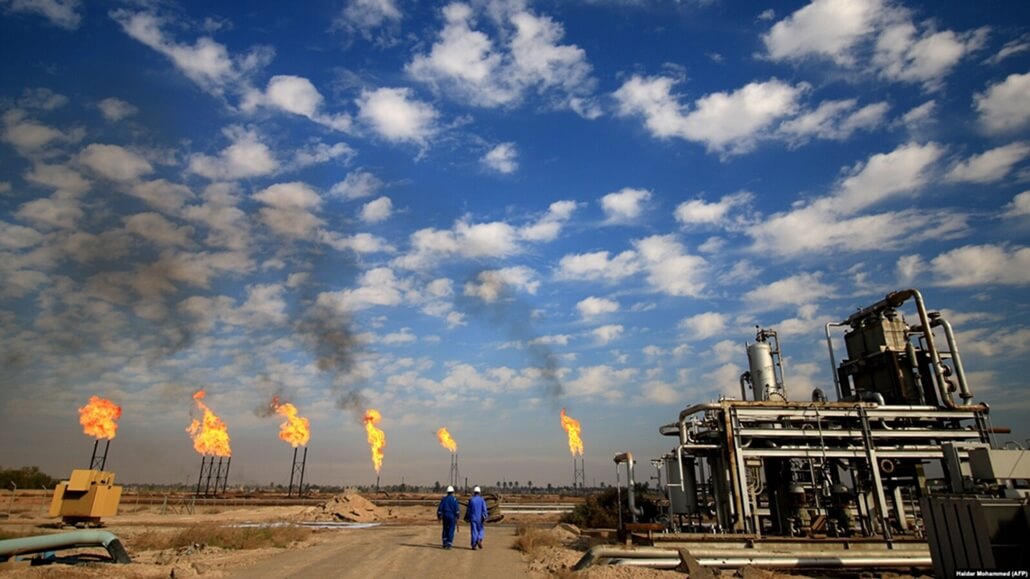
Hydrocarbon receipts accounted for 30.356 trillion dinars, representing approximately 78 percent of total inflows, while non-oil revenues collected from customs, border ports, and domestic taxation generated a modest 8.740 trillion dinars.
The expanding deficit mirrors an unprecedented expansion in the sovereign payroll, with roughly 15.05 million Iraqi citizens drawing direct, recurring income from the public treasury. This demographic burden encompasses 4.55 million civil servants, nearly 2.9 million retirees, and 7.6 million recipients enrolled in social safety net programs.
During the initial seven months of 2026, employee compensation and public sector salaries consumed 35.875 trillion dinars, while social protection allocations reached 15.989 trillion dinars, driving total mandatory social transfers above 51.8 trillion dinars alongside 6.239 trillion dinars dedicated to sovereign debt servicing.
Economic analyst Ziad Al-Hashemi cautioned that a planned deficit ranging between 43 and 50 trillion dinars presents an unsustainable drag on the macroeconomy. Al-Hashemi argued that the cabinet should have enacted strict austerity discipline, curtailed redundant administrative outlays, and addressed state payroll bloat and corruption rather than inflating sovereign spending toward 217 trillion dinars.
He noted that relying on exchange rate devaluations yields only temporary accounting relief for the state treasury while directly taxing the public through imported inflation and reduced household purchasing power.
Conversely, Rabie Al-Mousawi, a member of the Parliamentary Oil and Gas Committee, contended that elevated crude export volumes could partially cushion the deficit if ongoing regional security tensions maintain global energy prices at higher premiums. However, historical volatility illustrates the limits of this reliance.
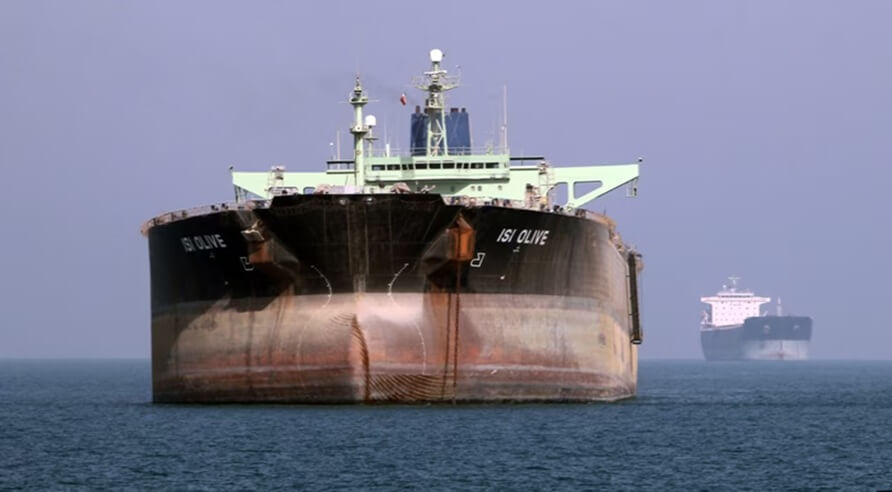
During the height of disruptions around the Strait of Hormuz, Iraq’s crude exports dropped by nearly 75 percent, causing monthly hydrocarbon revenues to plunge from approximately $6.8 billion in February to around $2.3 billion across May and June, demonstrating that price gains cannot offset severe maritime export bottlenecks.
The monetary landscape remains intricately tied to the deficit dilemma following the Central Bank of Iraq’s decision on October 7 to reset its pricing structure to 1,500 dinars per dollar for purchases from the finance ministry, 1,510 dinars for bank transfers, and 1,520 dinars for retail cash sales.
Parliamentary sources confirmed that Central Bank Governor Ali Al-Allaq informed the Finance Committee that the 1,500 rate serves as the foundational metric for the national budget, warning that any legislative reversal would necessitate recalculating the entire fiscal framework.
Financial researcher Ahmed Eid observed that while devaluing the local currency increases the dinar value of dollar-denominated crude proceeds, it fails to solve underlying structural imbalances.
Eid warned that persistent budgetary pressures could force the state to accelerate domestic borrowing from state lenders, postpone commercial contractor dues, or slash capital expenditures, thereby shifting fiscal strain onto the private sector and dampening economic growth.
The public wage bill continues an uninterrupted multi-year upward trajectory, expanding from 57.6 trillion dinars in 2022 to 68.2 trillion in 2023, 78.7 trillion in 2024, and projected between 83 and 86 trillion dinars across 2025 and 2026.
With International Monetary Fund projections indicating that petroleum sales will continue to supply over 90 percent of state revenue through 2030 and public compensation could devour 54 percent of all state spending, the federal government faces an urgent balancing act between guaranteeing essential public payrolls and securing capital investments required for long-term economic diversification.