Baghdad (IraqiNews.com) – Iraq’s oil output would most likely recover to pre-war levels within one to two months, according to reports citing officials in the oil sector.
The rebound comes after a dramatic drop in output caused by the closure of the Strait of Hormuz during the recent conflict in the Middle East, which was resolved by a preliminary deal between Iran and the United States a few days ago.
The spokesperson for the Iraqi Oil Ministry, Salim al-Rikabi, told the Iraqi News Agency (INA) on Friday that Iraq could restore its pre-war oil production levels—exceeding three million barrels per day, primarily from southern oilfields—within two to three months.
According to al-Rikabi, the oilfields that had their production capabilities cut have recently started to enhance them.
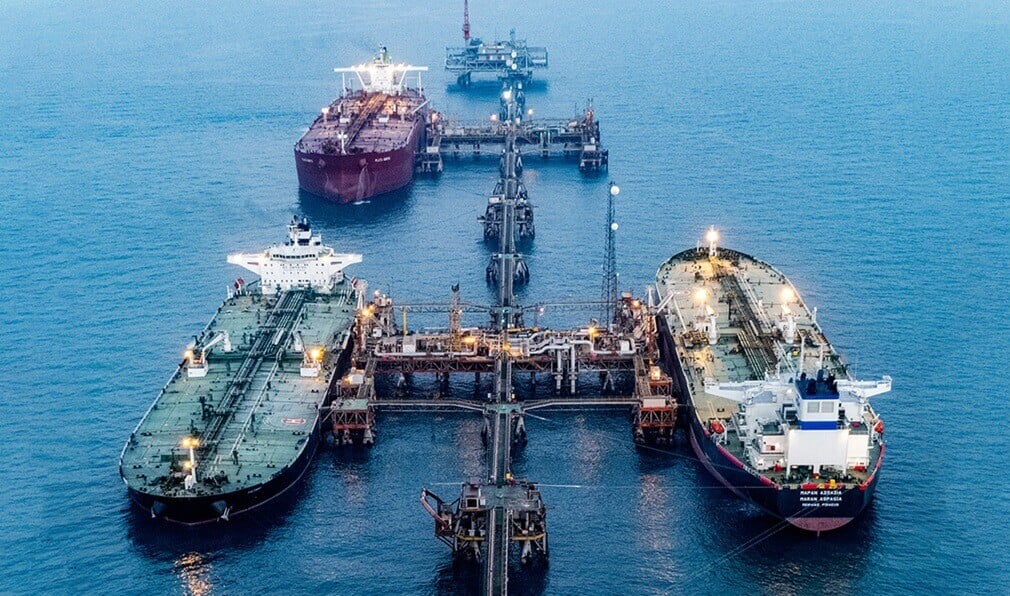
Prior to the conflict, Iraq’s average oil exports were around 3.5 million barrels per day, with most of these shipments passing through the Strait of Hormuz.
Tehran has blocked the waterway in response to US and Israeli strikes on its territory.
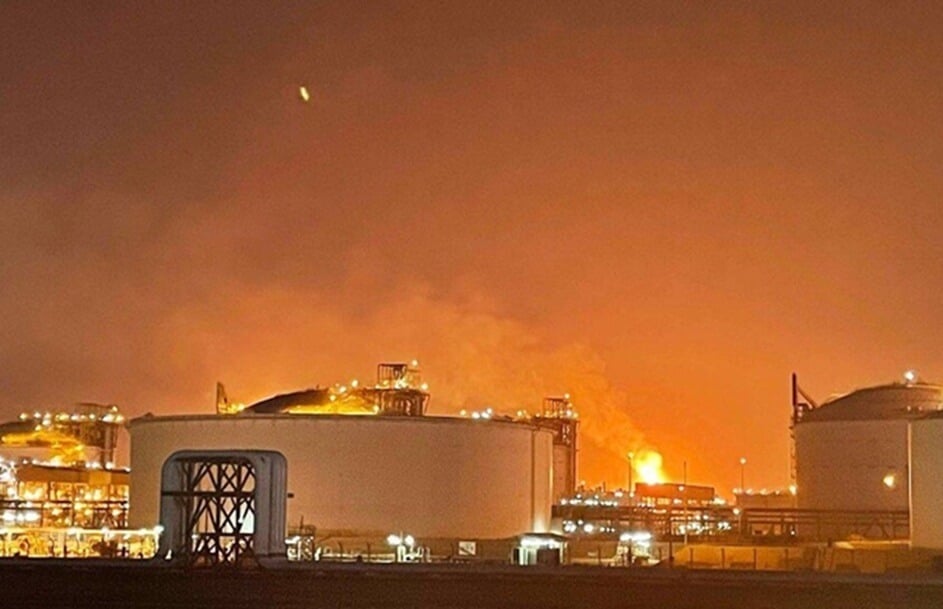
After its oil storage tanks reached full capacity, Iraq had to suspend production at most of its oilfields and could only export limited quantities through Syria and Turkey.
The Strait of Hormuz was reopened this week following a deal between the United States and Iran after nearly four months of blockage in this critical waterway, which used to transport a fifth of the world’s oil and liquefied natural gas exports.
Iraqi Oil Minister Bassim Khudair told INA that oil shipments will gradually resume, depending on the flow of maritime traffic through the strait.
According to official statistics, Iraqi crude oil shipments across the Strait of Hormuz dropped from 93 million barrels in April to 10 million.
Iraq relies significantly on foreign money generated from oil sales to finance imports, protect the local currency, and pay the wages of public sector employees and pensioners.