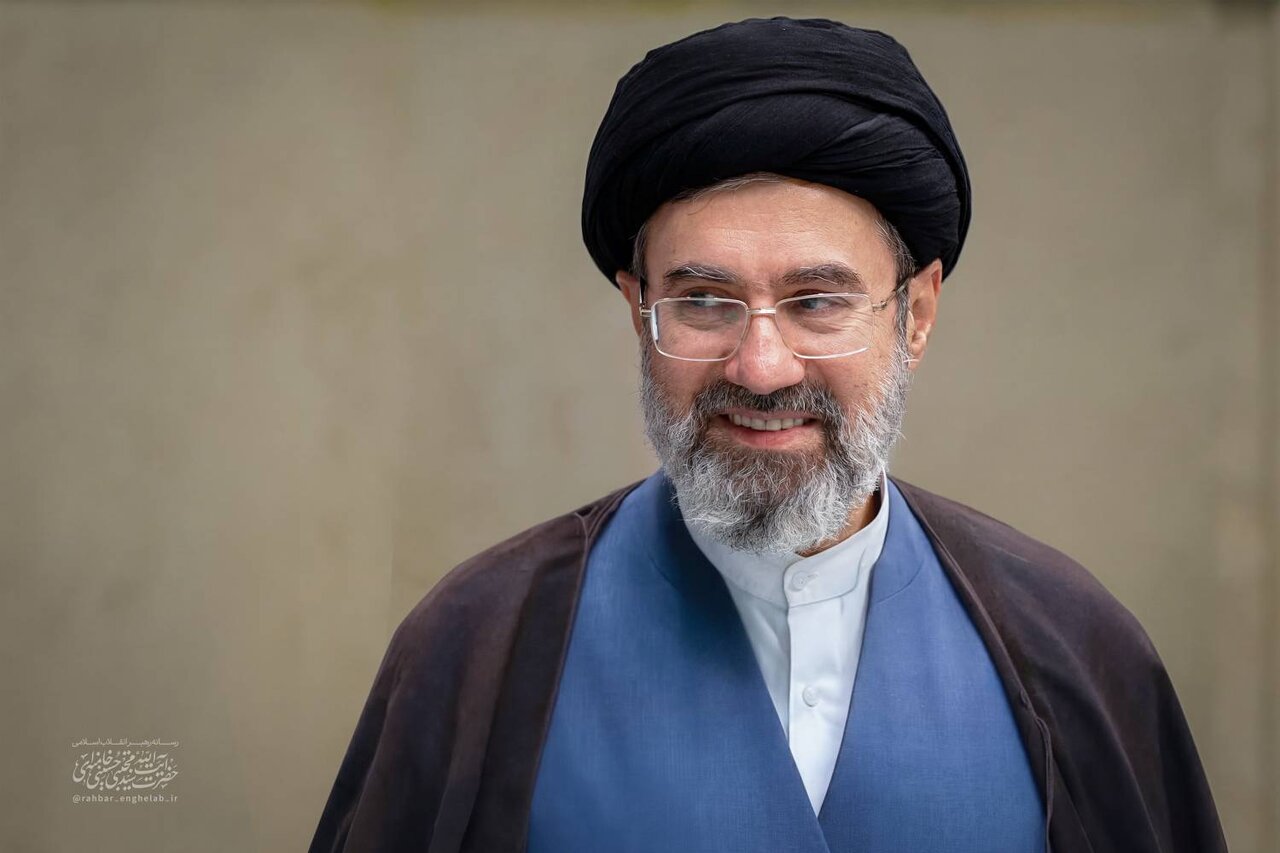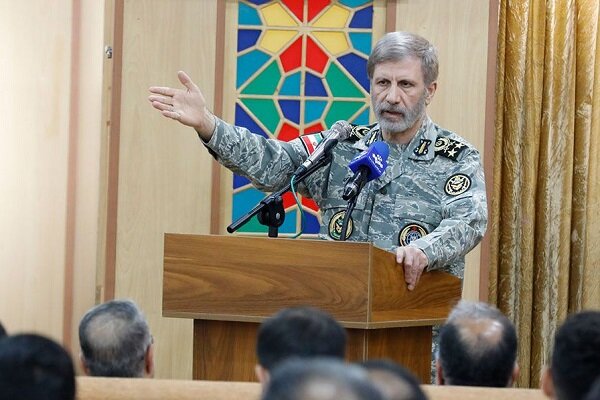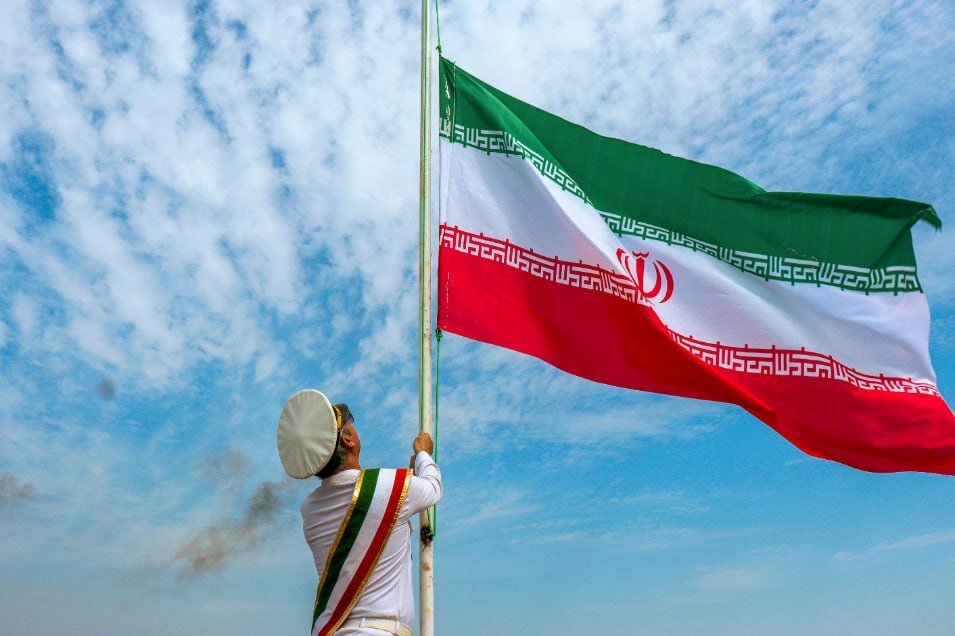
The clear and strategic message delivered by the Leader of the Islamic Revolution on April 30, 2026, was far more than a political speech: it was the official unveiling of a “New Hormuz Order”—a document that marks a turning point in the contemporary history of regional maritime security. The message not only redefines Iran’s role in the vital waterway of the Persian Gulf and the Strait of Hormuz but also stands as a declaration of the end of a century of unilateral Western hegemony over one of the world’s most critical energy corridors.
For decades, the security doctrine of certain Persian Gulf littoral states rested on a false and dangerous premise: that security can be bought and imported. By ceding territory for the construction of foreign military bases, especially American ones, these countries imagined they had signed a permanent insurance policy for their political survival. Billions of dollars spent on purchasing advanced weaponry and hosting Western fleets were supposed to cast a protective shadow over them.
But the events of the past sixty days, especially the ignominious failure of the largest military campaign of the century, have burst this bubble for good. When the most advanced U.S. radar, air-defense, and intelligence systems proved powerless against national resolve, indigenous ingenuity, and Iranian technology, an unmistakable message was broadcast across the region: foreign bases cannot even secure themselves, much less others.
This section of the Leader’s message served as both a wise invitation and a clear warning to the political elites of neighboring countries—an invitation to awake from the slumber of dependency and break free from a cycle that has produced nothing but humiliation, exorbitant costs, and structural insecurity.
The key passage concerning “exercising new management over the Strait of Hormuz” will undoubtedly become a focal point for analysts at the Pentagon and in the think tanks of Brussels and London. Iran is no longer merely a spectator of the traffic; as a power that has successfully deployed nano, nuclear, missile, and maritime technologies in synergy, it now intends to rewrite the legal and operational rules governing this waterway.
What does the new management entail?
Security of the Strait of Hormuz for the region’s nations and for legitimate trade, not for belligerents and aggressor regimes.
An end to “maritime thuggery” and organized banditry carried out under the guise of international coalitions.
A transition from “watchkeeping” to “strategic management,” underwritten by the support of 90 million Iranians and indigenous military-technological capabilities.
An emphasis on Iran’s national sovereignty and historical rights over the strait, within a framework that purges international law of one-sided American interpretation.
This approach will transform the Strait of Hormuz from a vulnerable chokepoint for Iran into a power-generating lever for the entire region.
From crude oil to knowledge-based Power
One of the most astute aspects of the Leader’s message was the deep linkage it drew between maritime security and the nation’s scientific-technological capabilities. By explicitly referencing the fields of nanotechnology, biotechnology, nuclear science, and missile technology, the Leader of the Islamic Revolution underscored the fact that Iran’s 21st-century maritime authority is no longer defined by the number of ships and their steel hulls, but is rooted in the brilliant minds, young scientists, and an innovation ecosystem that have pushed back the frontiers of global technology.
This strategic connection means that the Persian Gulf of the future will not simply be an exporter of crude oil but will also serve as a technology hub, a center for maritime innovation, renewable energy, and regional cybersecurity.
This perspective transforms security from a purely military concept into a comprehensive paradigm—economic, scientific, and military.
The Leader’s key sentence—“foreigners have no place in this region except in the depths of its waters”—was the most pointed, realistic, and at once strategic part of the message. This is not a tactical threat; it is the exposition of a strategic and economic dead end for the West. When the military, logistical, and political costs of presence in the Persian Gulf exceed its benefits, withdrawal becomes inevitable.
By emphasizing the shared fate of Iran and its neighbors, the Leader of the Islamic Revolution depicted a future in which Iran seeks not empire or domination, but a powerful regional union—a union in which the vast wealth of the Persian Gulf serves the welfare, development, and progress of the region’s peoples, rather than the arming and warmongering of distant powers.
Strategic consequences and the horizon ahead
For Iran: A strengthened position as the pivotal power in global energy security and the lead architect of the new security architecture.
For Iran’s neighbors: A historic opportunity to reorient foreign policy, give up on costly dependencies, and join a common, indigenous order.
For the West: The imperative of accepting a multipolar reality and undertaking a gradual withdrawal from spheres of influence.
For the global energy market: Lower geopolitical risks as foreign military presence recedes, and a shift toward greater stability grounded in a regional balance of power.
The message of March 30th deserves to be called the Declaration of Maritime Independence of the Islamic Republic of Iran. A new chapter opens in the region’s history—one in which the Strait of Hormuz shifts from a tool of pressure on Iran to a lever for instituting a more just order in global affairs.
The Persian Gulf is now, more than ever, Persian—from the depths of its civilizational history to the pinnacles of modern knowledge and technology.
MNA