Jakarta, IO – Siloam International Hospitals continues to excel its clinical capabilities after pioneering robotic surgery over the past year across multiple specialties, including orthopedics, urology, digestive surgery, and neurosurgery. With seven robotic surgical systems operating in Jakarta, Surabaya, Bali, and Makassar, Siloam has expanded access to advanced robotic surgery in Indonesia, reducing the need for patients to seek treatment overseas.
Beyond investing in technology, Siloam is advancing robotic surgery through physician training, clinical research, and collaborations with leading international medical centers to improve precision, patient safety, recovery, and clinical outcomes. The growing evidence showed that robotic surgery can reduce postoperative pain, shorten hospital stays, and lower the risk of complications compared to conventional surgery.
Research on the Da Vinci Xi robotic surgical system found that patients had shorter hospital stays, a 44% lower risk of postoperative complications, and a 46% lower risk of death within 30 days after surgery. Compared with laparoscopic procedures, it also reduced conversions to open surgery by 56% and postoperative complications by 10%. Its enhanced precision also enables surgeons to manage complex cases more accurately, improving quality of life for patients.
As chronic diseases rise and demand for complex healthcare grows, Siloam is expanding robotic surgery services across Indonesia to improve access to advanced surgical care, helping more patients receive high-quality treatment closer to home with faster recovery and better outcomes.
As part of its robotic surgery ecosystem, Siloam Hospitals Kebon Jeruk has been designated as a Center of Robotic & Minimally Invasive Surgery, serving as a hub for robotic surgery, education, research, and clinical development. Since introducing the Da Vinci Xi system in 2025, the hospital has performed more than 100 robotic procedures across multiple specialties with support from 10 certified robotic surgeons.
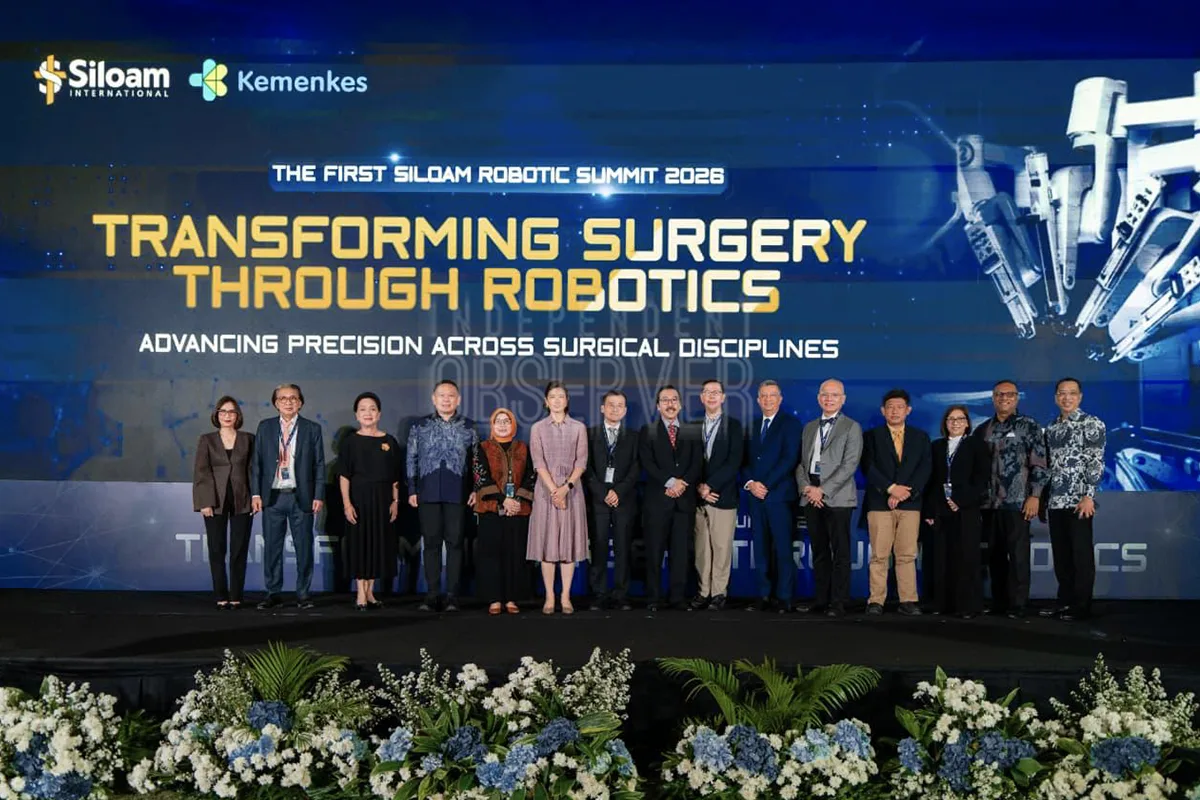
The milestone was commemorated at the Siloam Robotic Summit 2026, which brought together more than 30 surgeons, specialists, academics, and medical technology experts from Indonesia and abroad to share knowledge, strengthen clinical expertise, and advance the adoption of robotic surgery.
Director of Referral Healthcare Services Development at Indonesia’s Ministry of Health, dr. Yanti Herman, SH, MH.Kes, said stronger healthcare competencies, technology adoption, and cross-sector collaboration are important in delivering safer, high quality care. She added that robotic surgery strengthens Indonesia’s system by bringing advanced medical services closer to home and welcomed the Siloam Robotic Summit 2026 for supporting professional development and innovation.
Siloam International Hospitals CEO Caroline Riady said the hospital group focuses on expanding robotic surgery technology and building the ecosystem to maximize its benefits for patients. She said Siloam has invested not only in robotic surgery technology but also in physician training, clinical governance, research, and continuous learning to ensure innovation delivers better patient outcomes.
Read More: Dengue Costs Indonesia Nearly Rp9tn In 2024, Study Finds
According to Chief Medical Officer dr. Grace Frelita, MM, these efforts have produced measurable results. She said that internal evaluations show robotic surgery improves surgical precision, patient safety, and recovery.
Data from the Siloam Knee Arthroplasty Registry showed robotic and conventional knee replacement procedures had comparable safety outcomes, with zero 30-day readmissions and infections in both groups. However, patients who underwent robotic surgery had shorter hospital stays, averaging 4.5 days compared with 6.2 days for conventional procedures.
The registry also found that robotic procedures consistently achieved planned knee joint balance targets, supporting surgical precision in line with international studies, dr. Grace said.
Patient experiences reflected these findings. Sutinah Irsan, who underwent robotic total knee replacement using the ROSA® Knee system at Siloam Hospitals Kebon Jeruk, said she recovered quickly and experienced no pain after surgery.
The Siloam Robotic Summit 2026 reaffirmed Siloam’s commitment to advancing Indonesia’s robotic surgery through collaboration, education, research, and clinical innovation. The summit brought together experts from Indonesia and abroad to promote knowledge sharing and expand access to globally recognized precision surgery.
Thus dr. Grace stated the goal is to translate robotic surgery into better clinical outcomes, faster recovery, and improved quality of life while expanding access to world-class surgical care in Indonesia. (est)