Jakarta, IO – The policy brief “Meaningful Engagement for Inclusive Disaster Resilience” draws on lessons learned from inclusive disaster management and the involvement of persons with disabilities in disaster management systems.
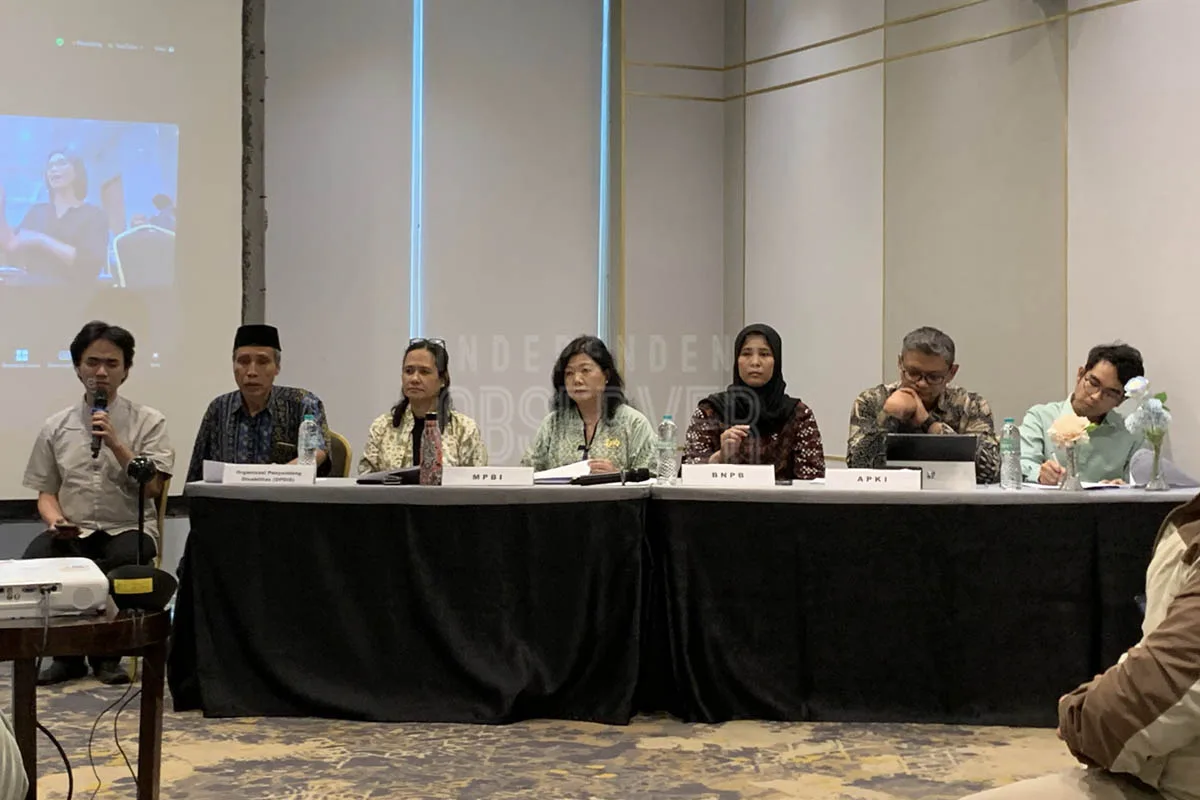
Avianto Amri, Chairman of the Indonesian Disaster Management Society (MPBI), outlined three key findings from the policy brief. “First, institutional mechanisms to ensure disability inclusion are not yet functioning effectively and consistently,” he said on Tuesday (27/10/2026).
Indonesia has a legal foundation for involving persons with disabilities in disaster management. However, the challenge is in translating these mandates into institutional arrangements, budgets, data systems, procedures, capacity, and operational practices.
The policy brief suggests strengthening and institutionalizing Disability Service Units for Disaster Management (ULD-PB) within the National Disaster Management Agency (BNPB) and regional disaster management agencies (BPBD), which would help integrate disability inclusion into disaster management policies, planning, data, services, and operations.
Second, persons with disabilities are still more often treated as service recipients than as active participants in disaster management. Yet they have the experience and capacity to contribute as facilitators, information disseminators, accessibility assessors, data managers, peer supporters, logistics personnel, and evacuation team members suited to their skills. They can also serve as liaisons between command posts and communities.
Third, the involvement of persons with disabilities and organizations of persons with disabilities (OPDis) requires meaningful participation that provide the necessary support for participation, create a safe space for expressing views, and ensure genuine decisions.
The policy brief urges authorities to treat persons with disabilities and OPDis as partners throughout the disaster management cycle, from planning and preparedness to response, recovery, and evaluation.
“These three findings conclude that inclusive disaster management is not just about ensuring that persons with disabilities receive services. The system must also provide opportunities for them to participate, take on active roles, and influence decisions,” Avianto said.
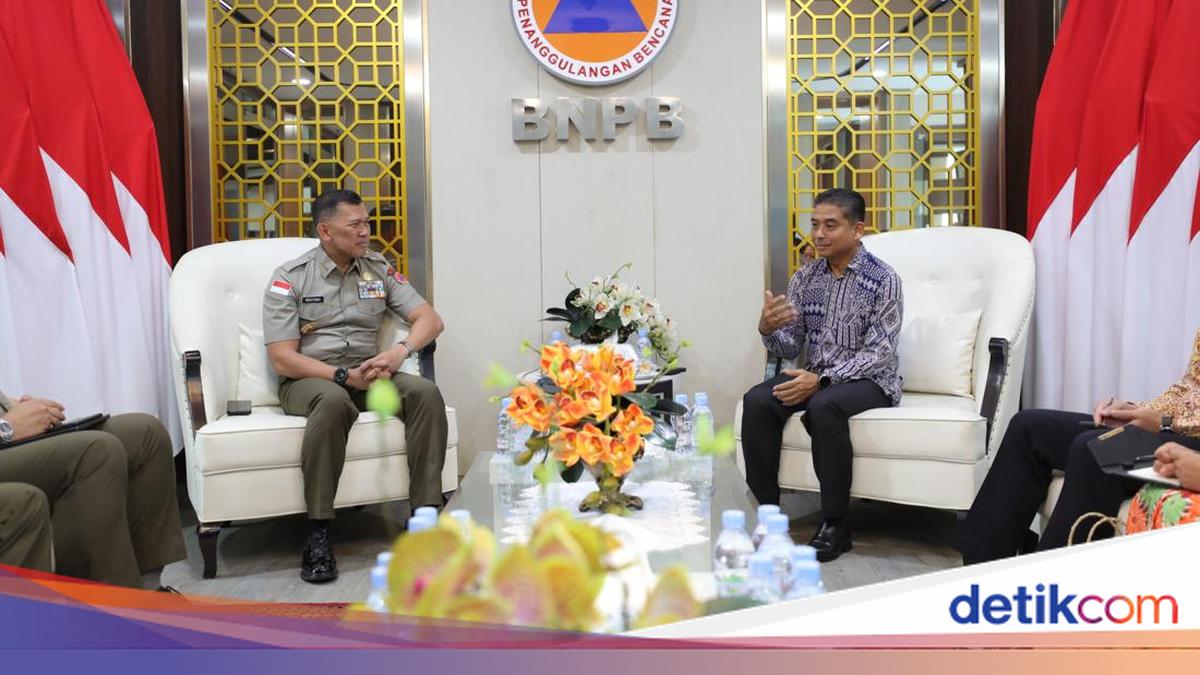
Meanwhile, Kemala T. Sari from BNPB stated that the organization has provisions to ensure the protection of all volunteers, including those with disabilities, while they are in disaster-affected areas.
Representatives of persons with disabilities also highlighted the challenges and need for more inclusive disaster management. A representative of persons with visual disabilities stressed, “Information and evacuation routes must be accessible to us.” A representative of persons with hearing disabilities said, “Delayed information can mean delayed safety.” A representative of persons with physical disabilities noted, “The available assistance does not always mean we can access it.” Meanwhile, a representative of persons with psychosocial disabilities emphasized, “Our needs are not always physically visible.” A Collective Call: “We Do Not Want to Be Subject of Discussion. We Want to Be Involved.”
Accessibility must cover information, evacuation, shelters, water, food, sanitation, healthcare, and complaint mechanisms. The experiences of persons with disabilities must inform disaster planning, response, and recovery. “Therefore, we are calling for three changes: First, institutionalize Disability Service Units for Disaster Management (ULD-PB) as collaborative platforms between the government and OPDis. Second, open up opportunities for persons with disabilities to serve as disaster management volunteers and active participants in roles suited to their abilities and competencies. Third, ensure meaningful engagement from planning through evaluation so that our voices genuinely influence decisions,” he said. (est)