Jakarta, IO – The National Nutrition Agency (BGN) is continuing to transform the implementation of the Free Nutritious Meal (MBG) program through improved governance, food safety standards and various innovations as part of its “MBG 2.0” overhaul. Currently operating on a massive scale, the program serves 57,491,334 beneficiaries, employs 1,027,998 workers and is supported by 26,385 active Nutrition Fulfillment Service Units (SPPG).
BGN spokesperson Tysa Novenny emphasized that the Agency has fundamentally revamped how the program operates. Attention is no longer focused solely on how wide the program’s reach is, but on ensuring the food provided is safe, nutritious, well-targeted and compliant with safety standards.
“The question is no longer ‘how many?’ but ‘how safe?’ BGN made a major decision—not just to make minor tweaks, but to overhaul the entire operational process,” Tysa said on Tuesday (20/10/2026).
According to Tysa, the changes in the program’s implementation reflect BGN’s commitment to listening and responding to public feedback. Community input has served as evaluation material to help BGN improve governance, strengthen oversight and elevate program standards.
Under the MBG 2.0 framework, BGN is taking significant strides forward, by introducing key updates. Among these is the tightening of food safety standards through a mandatory requirement that every SPPG hold a Hygiene and Sanitation Certificate (SLHS). BGN has also updated cooperation agreements to reorganize working relationships, redistribute responsibilities and reinforce accountability across the program.
Additionally, improvements have been made to beneficiary data. BGN synchronized beneficiary records registered across relevant ministry and agency systems, with real-time conditions on the ground. This data restructuring was paired with a refocusing of target beneficiaries—guided by temporary designation letters (SPS) 1 and 2—to make the program more accurately targeted and to allocate available resources more effectively.
“With the program operating on such a large scale, data accuracy is a crucial pillar of governance. We want to ensure that the food prepared reaches actual beneficiaries present in the field,” Tysa explained.
480 SPPGs in Eastern and 980 SPPGs in Central Indonesia
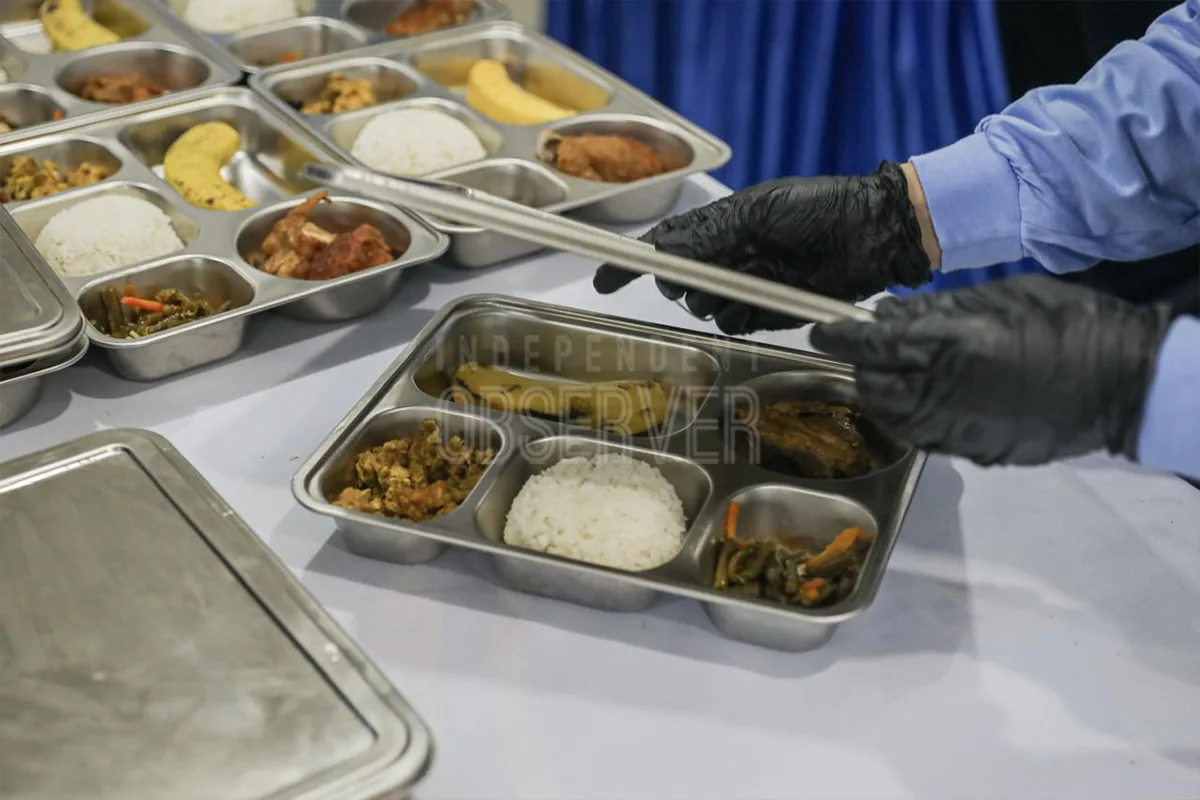
The MBG 2.0 transformation also extends to food service delivery. BGN has piloted a buffet-style MBG concept across 66 SPPGs in 10 provinces, as an innovation in meal distribution. The buffet concept aims to provide students with a more personalized dining experience while encouraging positive habits, including independence, togetherness and empathy for others.
Beyond service models, BGN is reinforcing food safety and governance, by placing labels on food trays that clearly state the safe consumption time limit. The transformation also targets expanding program access to geographically challenging regions with higher nutritional needs. BGN has activated nearly 1,500 SPPGs in frontier, outermost and least developed (3T) regions, as well as areas with high to severe stunting prevalence—comprising 480 SPPGs in Eastern Indonesia and 980 SPPGs in Central Indonesia.
Furthermore, Tysa highlighted that strengthening the local supply chain ecosystem and human resources is another key pillar of MBG 2.0. BGN has digitally integrated local supply chains, to ensure faster and more efficient processes. Meanwhile, through the “Patriot Gizi” initiative, SPPI personnel in each region are being trained to take on broader roles in executing the program.
“The launch of Loka MBG digitally integrates local supply chains quickly and efficiently. This step is complemented by the presence of Patriot Gizi. SPPI personnel in every area are now being groomed as frontline food safety educators, program drivers and direct impact survey officers within their communities,” Tysa said.
This transformation, Tysa added, demonstrates that expanding the program must go hand-in-hand with stronger governance and monitoring. MBG 2.0 is not merely aimed at expanding scale, but at ensuring every process meets increasingly high standards.
“Today, we are moving forward with order and accountability. MBG 2.0 is not about a bigger program, but a better one. Large scale, high standards—because Indonesian children deserve the best,” Tysa emphatically said. (est)