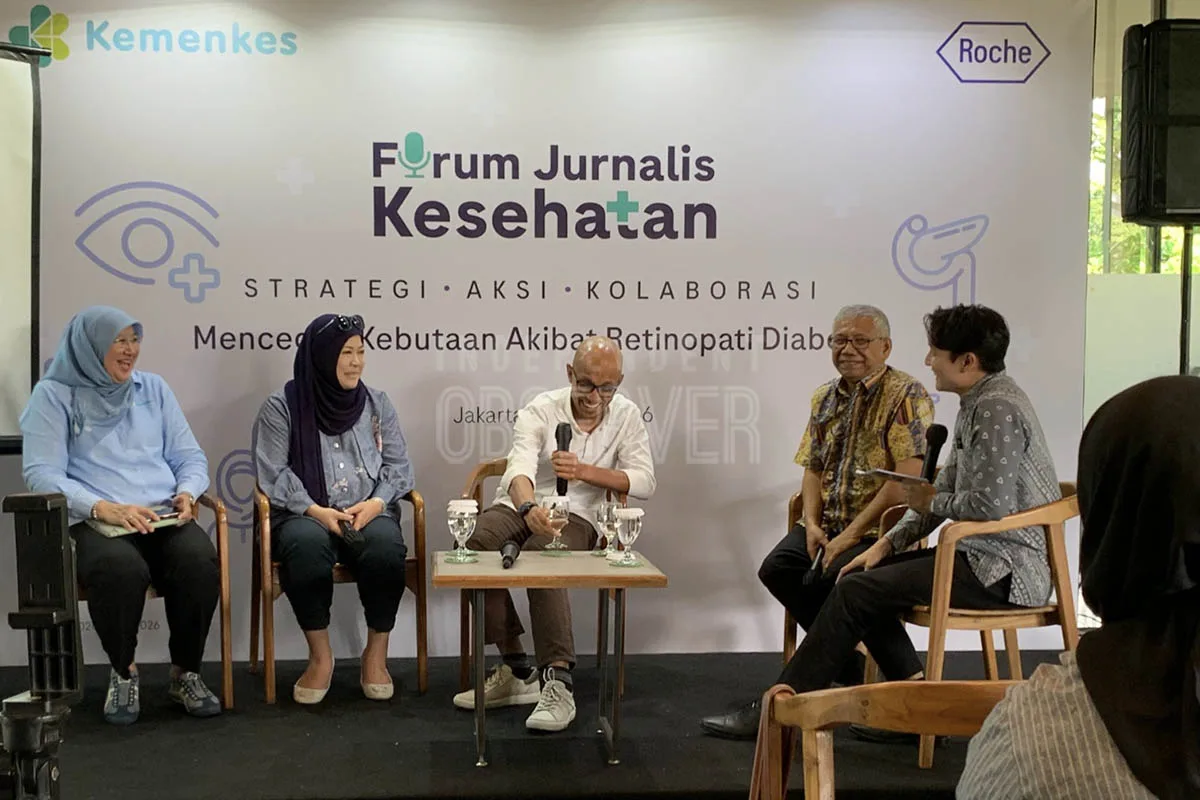
Jakarta, IO – Indonesia is facing a growing diabetes crisis, ranking at the world’s fifth-largest diabetic population. The number of people living with diabetes is projected to exceed 23 million by 2030. Today, an estimated 26 million Indonesian adults have diabetes, yet only around 15 million have been diagnosed through the national healthcare system.
This gap leaves millions of people unaware that they may already be developing serious complications, including diabetic retinopathy (DR), a condition that can lead to permanent vision loss if left untreated.
The health and economic impact is significant. A study in Yogyakarta found that 43.1% of diabetes patients had diabetic retinopathy, well above the global average of 35.4%. Without systematic intervention, the economic losses associated with decreased life quality are projected to reach Rp84.7 trillion.
To tackle the growing burden of undiagnosed diabetic retinopathy, Indonesia’s Ministry of Health (Kemenkes), Gadjah Mada University (UGM), and Roche Indonesia launched the Diabetic Retinopathy Initiatives (DRIVE) Consortium during the Health Journalists Forum, titled “Strategy, Action, and Collaboration to Prevent Blindness from Diabetic Retinopathy,” held on Monday (20/7/2026). The partnership aims to develop a comprehensive tele-ophthalmology pilot project that connects primary healthcare facilities with eye specialists, helping bridge infrastructure gaps and address the country’s shortage of eye care professionals.
Indonesia currently has only one ophthalmologist for every 116,961 people. Through the program, retinal cameras (fundus cameras) will be installed at community health centers (Puskesmas), while general practitioners and nurses will receive training to perform retinal screenings. The initiative is designed to systematically identify undiagnosed cases and generate scientific evidence to support future national health policies.
The DRIVE Consortium also supports the Kemenkes’s Vision Health Roadmap 2025–2030, which aims to reduce vision impairment by 25%. The roadmap targets regular retinal screening for at least 80% of people living with diabetes and ensures that 60% of patients diagnosed with vision-threatening diabetic retinopathy (VTDR) receive appropriate treatment. Findings are expected to provide valuable evidence for nationwide implementation.
During the forum, speakers highlighted cross-sector collaboration in tackling diabetes-related blindness. Kemenkes’s Director of Non-Communicable Disease Prevention and Control, dr. Siti Nadia Tarmizi, M.Epid, said the government is committed not only to managing diabetes but also to preventing its complications.
The Free Health Check (CKG) program allows Indonesians to undergo routine blood sugar testing. The ministry is now working to integrate retinal screening services into Puskesmas for easier access for people with diabetes to have early eye examinations. She also encouraged the media to promote the CKG program and encourage people to prioritize regular health checkups.
Meanwhile, Prof. Dr. dr. Em Yunir, Sp.PD, K-EMD, President of the Indonesian Society of Endocrinology (Perkeni), said the country’s high number of undiagnosed diabetes cases remains a major concern. He explained that poorly controlled blood sugar can gradually damage blood vessels. Diabetes often occurs with high cholesterol, obesity, and hypertension, increasing complications such as diabetic retinopathy and kidney failure. According to him, diabetes contributes to around 20–30% of dialysis cases in Indonesia.
He emphasized that patients should manage their blood sugar early and stop discouraging people from seeking medical examinations out of fear of being diagnosed with a disease. Early detection, he said, is essential for preserving life quality and protecting families through greater awareness and stronger support systems.
Prof. dr. Muhammad Bayu Sasongko, Sp.M, M.Epi, Ph.D, of UGM pointed out that although diabetic retinopathy is one of the most common diabetes complications, it remains one of the least discussed. Hence, many people mistakenly believe that vision loss in older adults with diabetes is simply a normal part of aging, despite it being preventable.
He noted that around 85% of the information is visual, meaning blindness affects the patients’ quality of life and also their families, who often become caregivers. Retinal damage develops gradually, causing patients to experience no symptoms during the first five years after developing diabetes. He called on journalists to help overcome public misconceptions and continue raising awareness about the importance of early retinal screening.
Patient advocate Anita Permata Sari, who has lived with diabetes for 13 years, also highlighted the challenges faced by people living with the disease. She said one of the biggest barriers in Indonesia is limited access to retinal screening services, which remain unavailable at many primary healthcare facilities. Geographic challenges and limited medical equipment often discourage patients from getting screened early.
Anita also emphasized the importance of patient communities in providing emotional support, sharing information, and encouraging people, especially younger adults, to seek timely medical care. She hoped that government policies will help expand access to retinal screening across the country.
Read More: Bethsaida Healthcare: Official Medical Partner of the International Padel Tournament (FIP Bronze Banten 2026)
Roche and Government Efforts To Prevent Blindness
As part of the collaboration, Roche Indonesia is supporting the initiative by providing innovative treatments, funding research and helping improve screening and referral systems. The company believes that medical innovation alone is not enough if patients continue to face barriers in accessing basic healthcare services, including early eye examinations.
Lucia Erniawati, Director of Access, Communications, and Health System Strengthening at Roche Indonesia, reaffirmed the company’s commitment to preventing avoidable blindness caused by diabetic retinopathy. She said Roche’s works closely with healthcare professionals and government partners to strengthen screening and referral pathways, ensuring patients receive timely treatment before vision loss becomes irreversible.
Through the comprehensive tele-ophthalmology pilot project, Roche hopes to improve access to early diagnosis while helping prepare Indonesia’s healthcare system for the growing burden of diabetes-related eye disease. (est)