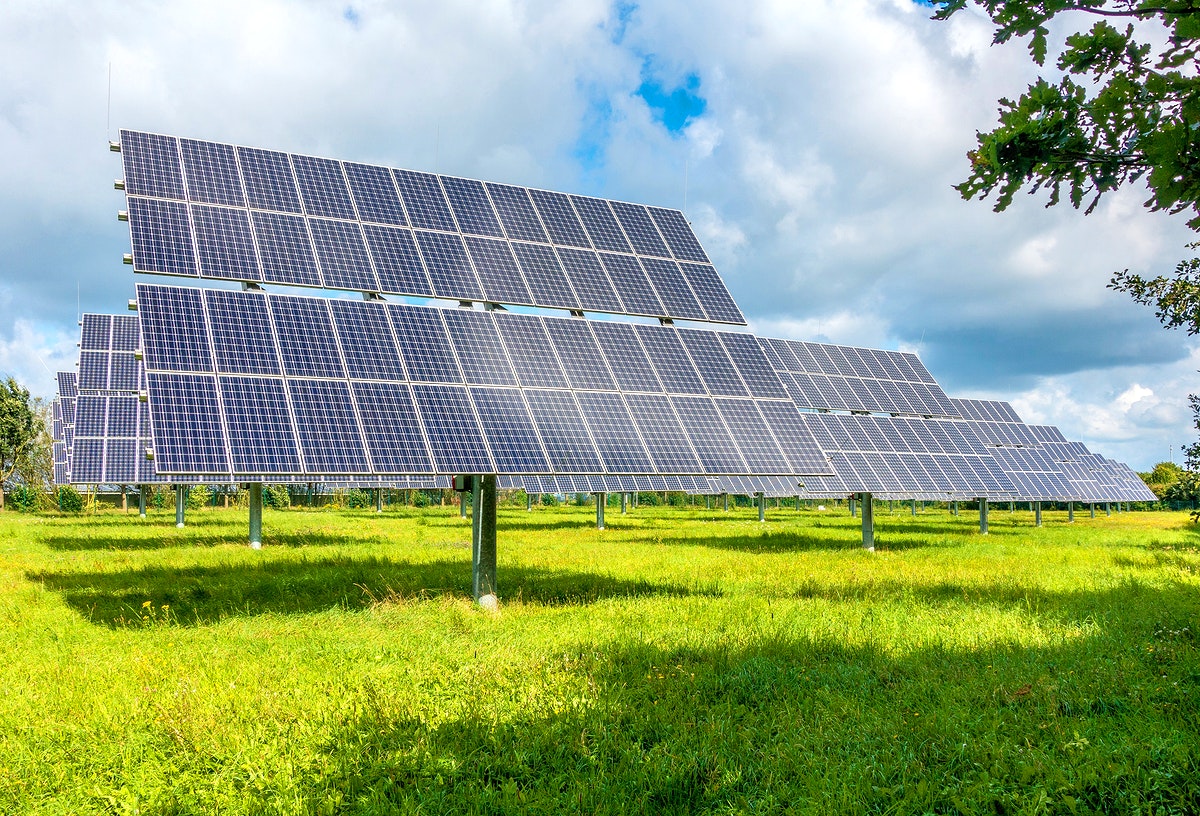
Northeast India is highly vulnerable to climate change, but at the same time, rich in energy resources. The region’s renewable energy potential is estimated at 130 gigawatts, primarily hydropower. Arunachal alone holds over 50 GW of large-scale hydropower potential, alongside an estimated solar capacity of 67.7 GW spread across the eight northeastern states. Despite its potential, the region has an estimated 2.3 GW of installed renewable energy capacity. This gap is not only about technological enhancements, but also reflects challenges related to investment, difficult terrain and institutional coordination.
Meanwhile, the effects of climate change are visibly noticeable on the ground, with 60% of Assam’s districts categorised as highly vulnerable by national climate assessments. Floods in the Brahmaputra basin cause an average annual economic loss of an estimated Rs. 200 crores, but over the years, losses have surged to Rs. 10,000 crores. In addition, an estimated 8,000 hectares of land are lost each year to riverbank erosion. The biodiversity hotspots in the states, such as Kaziranga, are facing growing environmental threats. This is further escalated by changes in rainfall patterns and rising temperatures.
This combination of higher climate vulnerability and vast untapped potential makes Northeast India a significant case for green infrastructure investments that the EU is increasingly promoting.
EU Frameworks and the NER Realities
The EU-India partnership on clean energy is not new, but it is now gaining momentum. The EU-India Clean Energy and Climate Partnership, launched in 2016 and renewed for 2025-2028, covers renewable hydrogen, regional connectivity, energy efficiency and energy diplomacy. The EU-India summit held in January 2026 added a new task force on green hydrogen and proposed an India-EU Wind Business Summit. The advancements in the partnership reflect a renewed commitment to a green energy partnership between the two countries.
In another noteworthy advancement, the EU’s Global Gateway initiative is mobilising 300 billion Euros by 2027 for infrastructure development globally. This project focussed strongly on climate resilience, clean energy, and sustainable development. This standpoint on transparency, environmental standards and responsible financing closely aligns and associates with the principles of the EU-Japan Partnership on Sustainable Connectivity. The bigger motive behind it is to promote high-quality, low-carbon, and financially stable and sustainable infrastructure across the Indo-Pacific region.
Northeast India has become significant to this partnership. In June 2026, Assam launched the Blue Valley Cluster in Guwahati. It is a public-private initiative focused on flavours, fragrances and AYUSH. An EU delegation attended the launch and also visited the Tata semiconductor facility in Jagiroad. Within this cluster, renewable energy was given a priority. The Blue Valley cluster reflects a localised green development initiative based on Assam’s biodiversity to build sustainable and low-carbon value chains. This engagement, in the longer run, shall act as a catalyst for research, innovation, investment, etc., between European and Indian companies, and is backed by the EU’s Global Gateway initiative.
EU Investment in the National Context
India’s renewable energy sector has expanded rapidly in recent years. The country had installed 283.6 GW of non-fossil fuel power capacity, including 274.68 GW from renewable sources and 8.78 GW from nuclear energy by early 2026. India is on its mission to achieve its goal of 5 million metric tonnes of non-fossil capacity annually by 2030, with non-fossil sources now accounting for more than half of India’s installed power capacity.
Renewable energy capacity, excluding large hydropower projects, has grown by over 21% in the past year. As a result, non-fossil fuel sources now make up more than half of India’s total installed power capacity.
In this context, the Northeast region of India can play a significant role in India’s clean energy progression. The region’s vast potential of hydropower resources, along with its solar and biomass, are properly suited for a decentralised energy system. This potential has the ability to serve remote and geographically challenging regions. The Northeast region also aligns closely with India’s National Green Hydrogen Mission, which aims to produce 5 million metric tons of green hydrogen annually by 2030, with the help of resources such as biomass and renewable electricity.
Operationalising the EU-India Convergence in Northeast India
The convergence of the EU’s priorities with the energy potential of Northeast India opens several areas of cooperation. These include upgrading existing hydropower infrastructure, expanding decentralised solar energy and green hydrogen projects, developing smart grids for remote communities and building climate-resilient transport corridors that support connectivity under India’s Act East Policy.
The current EU-India cooperation can tap into these opportunities. However, in this regard as well, significant challenges still remain. The geography of Northeast India makes energy transmission costly, while land acquisition and environmental clearances can lead to slow down of large-scale projects. Over the years, constrained investment has also led to delayed institutional capacity building. Additionally, private investors often see the region as high-risk, which necessitates targeted financial support and risk-mitigating methods essential to attract greater investment.
In addition to the operational bottlenecks, there are also governance challenges. Development in Northeast India involves multiple stakeholders, including the federal system involving the centre and the eight state governments of the region. Thus, as the EU’s engagement at the state level grows, it will need to work closely with existing governance structures and navigate its architecture carefully, working with, not around, national frameworks and priorities.
The significance of these developments goes beyond Northeast India’s energy transition. Initiatives such as the EU-Japan partnership and Global Gateway promote a model of transparent, sustainable and quality infrastructure investment in the Indo-Pacific region at a time when competition over green technologies, critical minerals, and supply chains is growing.
Northeast India shares borders with Bangladesh, China, Bhutan, Myanmar and Nepal and serves as India’s gateway to the eastern neighbourhood. The region is not a periphery but is significant to India’s Indo-Pacific strategy. If the EU-Northeast green cooperation delivers tangible outcomes, such as clean energy access for remote communities, jobs through sustainable value chains, climate resilient infrastructure, it will validate the model in precisely the geography where it matters the most.
Dear Reader,
Every day, our team at EastMojo travels through rain, rough roads, and remote hills to bring you stories that matter – stories from your town, your people, your Northeast.
We do this because we believe in truthful, independent journalism. No big corporate backing, no government pressure – just honest reporting by local journalists who live and breathe the same air you do.
But to keep doing this work, we need you. Your small contribution helps us pay our reporters fairly, reach places others ignore, and keep asking the tough questions.
If you believe the Northeast deserves its own fearless voice, stand with us.
Support independent journalism. Be a Member.
Thank you,
Karma Paljor
Editor-in-Chief, eastmojo.com
The convergence of EU-India into concrete projects will require targeted action. Northeast India should be recognised as a priority region within clean energy and infrastructure initiatives. An institutionalised coordination between the EU, New Delhi and the state governments of Northeast India needs to be strengthened, building on the recent engagement with Assam. Financial tools that reduce investment risks should be tailored to the region’s specific challenges, alongside efforts to strengthen local capacity building. Demonstrations of projects such as expanding the Blue Valley model or launching green hydrogen pilots in Assam could help build credibility and attract long-term, large-scale investments.
Northeast India offers a crucial opportunity to serve as a natural partner for the EU’s green energy agenda. The policy frameworks are already in place; the challenge is to capitalise on this convergence to deliver large-scale cooperation that can deliver lasting economic, environmental and strategic outcomes.
Views expressed are personal.
Also Read | From frontier to gateway: Northeast poised to link India-Southeast Asia by 2047
Bagmita Borthakur
Reporter, EastMojo
You just read a story that took days to report. Help us keep our reporters on the ground in the Northeast.
For Rs 83/month – less than a cup of coffee
Ad-free reading, support and keep important stories alive
Become a Member
OR
Support once (any amount)
or
Scan to pay via UPI