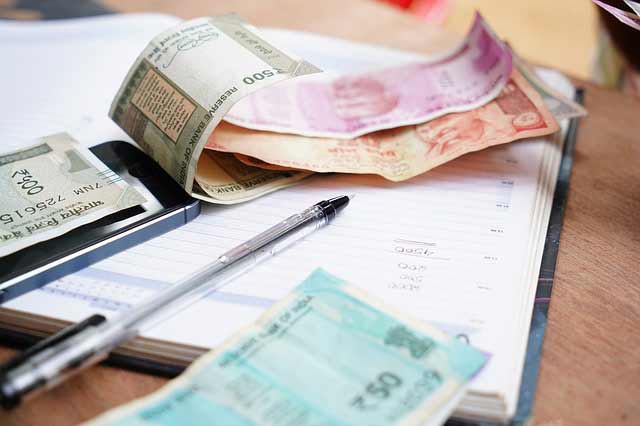
The Indian rupee opened at 90.20 against the US dollar on Tuesday (February 3), marking its biggest gain in three years. This surge was driven by the announcement of a trade deal between the US and India, in which US President Donald Trump reduced tariffs on Indian goods from 50% to 18%.
However, according to the RBI, the rupee closed at 90.45 against the dollar. Earlier, in 2025, the rupee had depreciated by nearly 5%, becoming the weakest currency in Asia. It had already fallen by 2% in January 2026.
Continuous outflows by Foreign Portfolio Investors (FPIs) had been putting pressure on the rupee. However, the rupee rebounded at the opening on Tuesday, gaining 129 paise compared to its previous close of 91.49.
The surge followed the trade deal announcement
The reason behind this surge in the rupee is the ‘give and take’ agreement between India and the US. President Trump announced on social media that India would now stop buying oil from Russia and instead buy oil from the US and Venezuela.
In addition, India has committed to buying $500 billion (approximately ₹45 lakh crore) worth of energy, technology, and agricultural products from the US over the next few years. This announcement has ended the uncertainty that had prevailed since the US tariffs were imposed last August.
How is currency value determined?
When the value of any currency falls against the dollar, it is called currency depreciation or weakening.
Every country maintains foreign currency reserves, which it uses for international transactions. Fluctuations in these foreign reserves affect the value of the currency.
If India’s foreign reserves of dollars are equal to the US’s reserves of rupees, the rupee’s value will remain stable. If our dollar reserves decrease, the rupee will weaken; if they increase, the rupee will strengthen.