Air pollution levels in the national capital have worsened, with Delhi’s average Air Quality Index (AQI) reaching 376 on Sunday, November 8, placing it in the ‘Very Poor’ category. With firecracker emissions expected to add to the existing pollution burden, air quality is likely to deteriorate further, potentially entering the ‘Severe’ category from Monday.
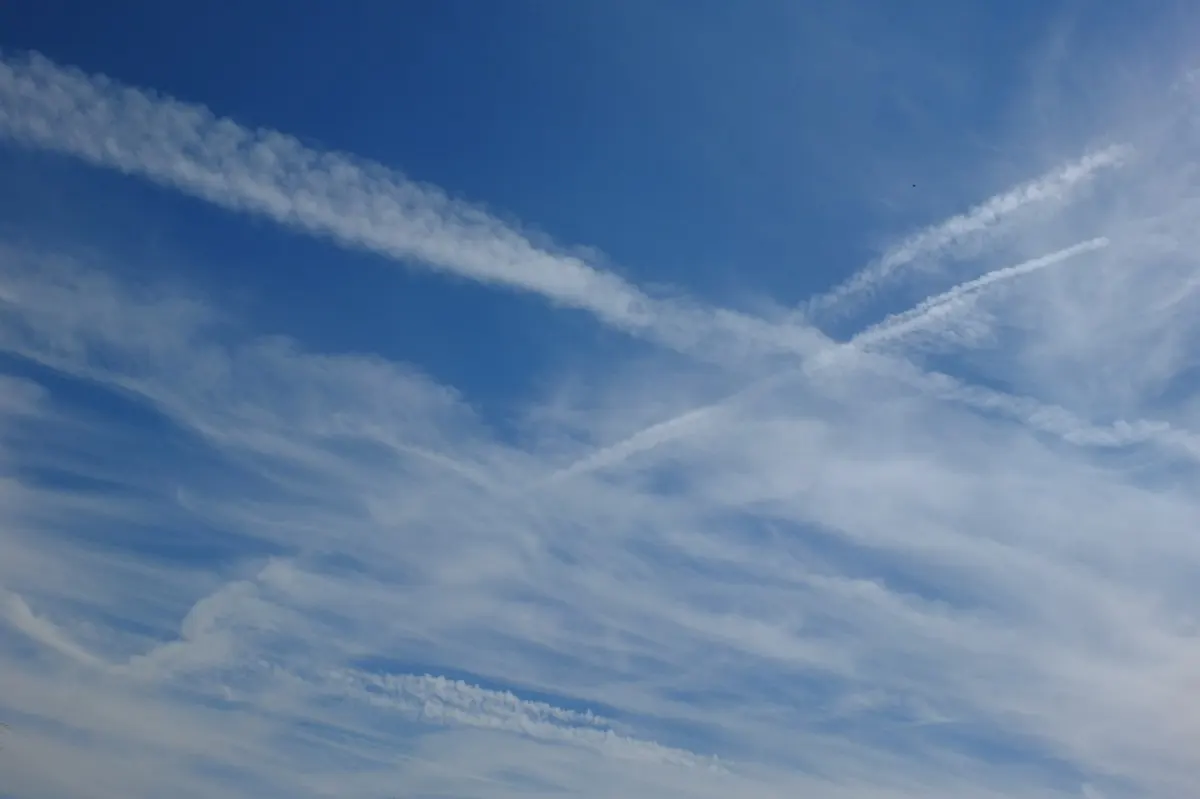
A thick layer of haze continued to blanket several parts of the capital, reducing visibility and raising concerns over the deteriorating air quality. The situation has been aggravated by vehicular emissions, firecracker-related pollution and increased stubble-burning activity in neighbouring states.
According to forecasts issued by the Air Quality Early Warning System (EWS) for Delhi, pollution levels are expected to remain in the ‘Severe’ category for several days beginning November 9.
12 Monitoring Stations Record Severe Air Quality
Data from Delhi’s 59 air quality monitoring stations indicate that pollution levels have reached alarming proportions across several parts of the city.
Of the 59 monitoring stations, 12 recorded AQI levels in the ‘Severe’ category, while another 22 reported ‘Very Poor’ air quality.
Jahangirpuri emerged as the worst-affected location, recording an AQI of 463, highlighting the intensity of pollution in parts of the capital.
Delhi’s Average AQI Moves Closer to Severe Threshold
Delhi’s average AQI increased from 369 on Saturday to 376 on Sunday, moving closer to the 400 mark, which marks the beginning of the ‘Severe’ category.
Although the city’s overall average remained in the ‘Very Poor’ range, several monitoring stations had already recorded AQI levels above 400, indicating that parts of the capital were experiencing severe pollution.
Diwali Firecrackers May Further Deteriorate Air Quality
The expected bursting of firecrackers during Diwali celebrations is likely to worsen the already critical pollution situation. Combined with vehicular emissions and seasonal stubble burning in neighbouring states, the additional pollutants could push Delhi’s overall air quality into the ‘Severe’ category.
The EWS forecast suggests that the capital may continue to experience hazardous pollution levels for several days from November 9, making the post-Diwali period particularly concerning for residents.
With pollution levels continuing to rise, Delhi faces another challenging winter pollution episode, raising concerns about public health, visibility and the overall quality of life in the national capital.