Buildings can become hotels; hotels can become something else
At first light, guests of Hótel Hekla were rudely awakened by a group of men, dragged naked out of bed and all lined up against a wall at the point of a bayonet. This incident, which, if it happened today, would mark doom for Iceland’s PR standing as a tourism destination, actually took place on May 10th, 1940, as 746 ill-equipped British soldiers occupied Iceland. One of their first orders of business was to arrest German merchant seamen, who’d become stranded in Iceland in January that year after their cargo ship, Bahia Blanca, hit an iceberg west of Iceland and sank. Many of the Germans stayed at the centrally located Hótel Hekla, currently one of downtown Reykjavík’s main squares.
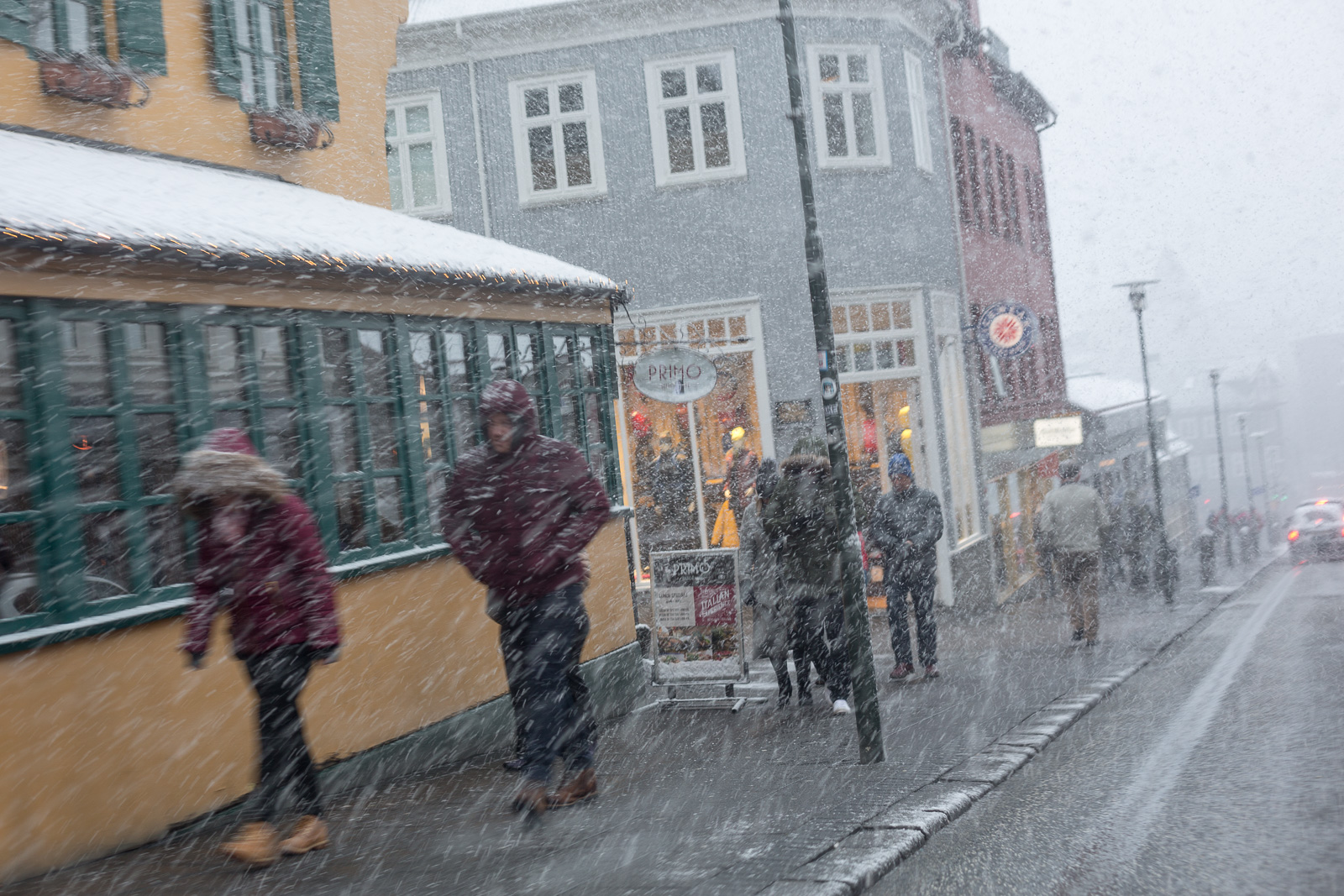
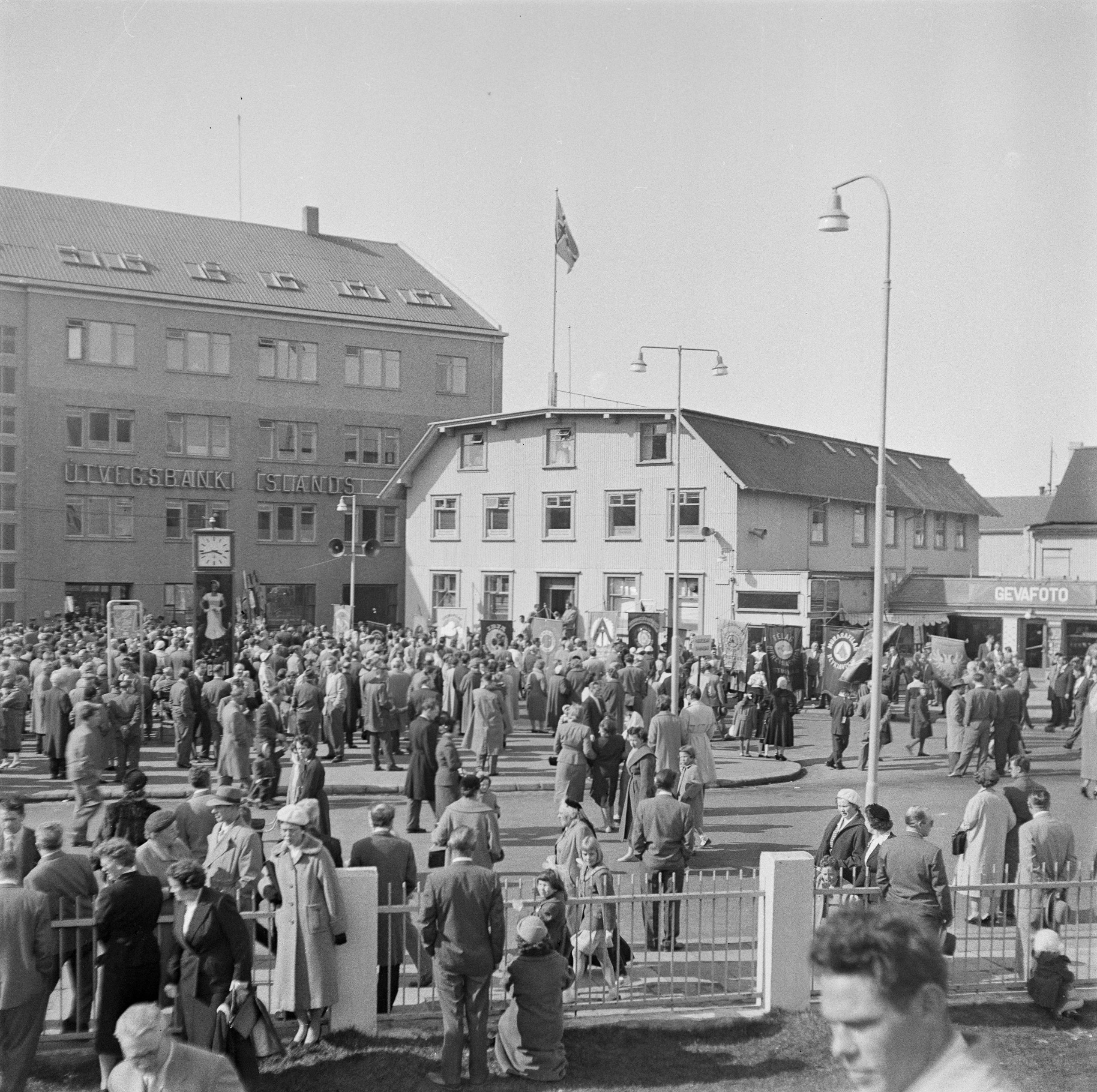
On the older image, dating back to the 1950s, you can see what used to be Hótel Hekla, a three-storey rather large wooden structure, whose foundations date back to the 1840s. It is now gone, torn down in 1961 and eventually replaced by a concrete office building and public transport hub.
The building that would eventually serve as a refuge for German sailors was built by an immigrant, one Ditlev Thomsen from Schleiswig, who became so prominent a citizen that he was voted into the municipality council without running, a seat he refused on the basis of not knowing any Icelandic. The refusal was ignored, and he had to at least nominally serve.
After Ditlev drowned at sea, his son took over the building, using it to sell traded goods, mostly from Germany. With the onset of the First World War and the blockade of Germany by the Royal Navy, that business dried up, and the building was sold and turned into a hotel under the name Hótel Hekla.
So in a city that has seen numerous hotels pop up in many prime downtown locations, often to the resentment of locals, history teaches us that this trend can sometimes be reversed — an office building now stands where once there was a hotel.
The post Now And Then: Hotelification In Reverse appeared first on The Reykjavik Grapevine.