Photo by
The Reykjavík Grapevine
The Grapevine’s guide to sounding Icelandic, one word at a time
Elephant is a brand of strong Danish beer, named after said strong animal. Camel is of course a brand of cigarettes, named after said ship of the desert. The usage of these animal names in almost all European languages causes no confusion. They all have their variously spelled versions of both words. However, strangely enough, in Icelandic, this is all mixed up.
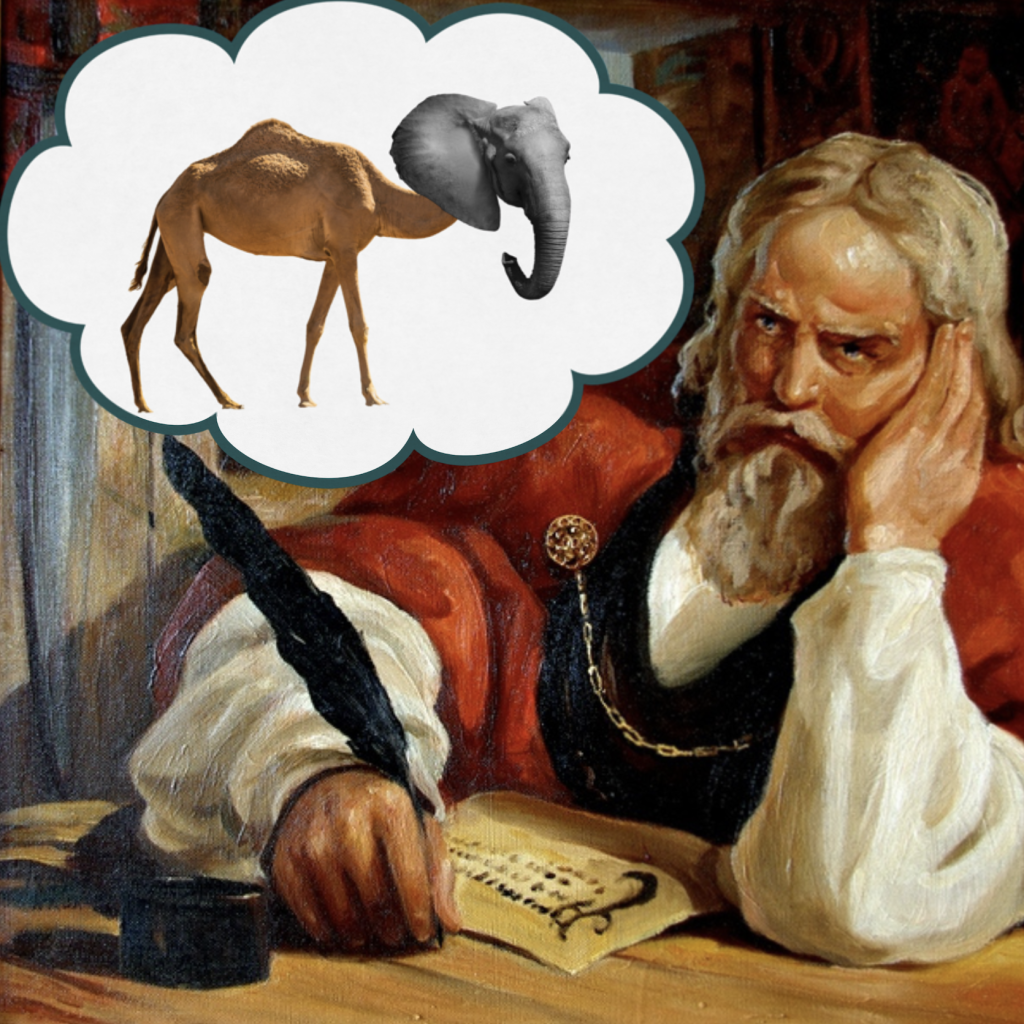
First of all, the Icelandic name for a camel is úlfaldi. While the prefix of that word — úlf — can mean wolf, that is not what the Icelandic word is derived from. No, that would be too easy, and well, confusing, given the camel’s general nature. Nothing about the chill demeanour of a camel would make any sane person think of a wolf. Instead the word úlfaldi is even more confusingly derived from the word elephant. Yeah, somehow, the Greek and/or Latin original word eléphas/elephantus, was applied to camels in early bible translations, as was also done in German and Old English at the time. This proves — we guess — that North Europeans didn’t know the difference between the two, although if you ponder Christ’s words about the odds of a rich man getting into heaven being as likely as a camel passing through a needle’s eye, whether or not that camel is an elephant won’t make much of a difference.
With the word elephant being busy posing as a camel in Icelandic, what was then to be done with actual elephants? This was actually never a problem. Somehow, the Arabic for elephant, fil, made it into Icelandic, along with the other Scandinavian languages early on. Best guess for why is trading between Scandinavia and the Middle East in the Middle Ages, leaving that word to the raiding and trading Vikings. And while Icelanders retain the use of the word fíll for that majestic animal, the rest of the Scandinavians, being more prone to international linguistic trends, dropped the use of that word in favour of elephant as time went by. Here, however, where the Middle Ages didn’t really end until the 20th century, we stick to the Viking vocabulary.
Learn more Icelandic words hér.