Overview:
Haiti’s electoral process is moving forward, officials said, with seven presidential candidates registered and fewer than 700,000 voters on the electoral roll as of Sept. 23—weeks before both steps in the registration process end for the Dec. 13 first round of the elections. The Provisional Electoral Council also reported 162 Senate candidates and 419 Chamber of Deputies candidates registered, while 30 of 105 accredited political organizations have reached the stage where they can submit candidates.
PORT-AU-PRINCE — Haiti’s electoral process is moving into a critical phase, with seven presidential candidates registered and 628,755 voters on the electoral roll as of Sept. 21, according to the Provisional Electoral Council (CEP).
The figures represent progress toward Haiti’s first national elections in a decade, the CEP said in a statement, but significant hurdles remain before voters can cast ballots. Candidate registration is open through Oct. 9, while voter enrollment, scheduled to end Oct. 13, remains low; political organizations have raised concerns about the candidate-submission process, and gang violence continues to restrict movement and access in parts of the country with significant shares of the electorate.
Despite these hurdles, the CEP said it is working toward the first round of presidential and legislative elections as scheduled for Dec. 13 under the electoral calendar. The council’s latest figures show the administrative machinery is advancing, but they also underscore the scale of work still needed to turn the electoral calendar into an election that can reach voters across the country.
“The Provisional Electoral Council continues to work on setting up the electoral system in preparation for the upcoming elections,” the CEP said in its Sept. 21 update.
The council also said it has completed the public lottery assigning campaign numbers to accredited political structures and has recruited and trained 2,853 Electoral Registry Agents (ADRE) and 4,643 Electoral Security Agents (ASE).
Seven candidates for president, 581 for the parliament
As of Monday, the CEP reported that seven presidential candidacies, 162 Senate candidates and 419 candidates for the Chamber of Deputies had registered. The candidate-registration and document-submission process began Aug. 20 and is scheduled to continue through Oct. 9.
The candidates registered so far come from 30 accredited political organizations — 18 stand-alone political parties and 12 political coalitions — that have submitted lists of at least 30,000 affiliate members or supporters required to reach the candidate-submission stage.
That represents less than one-third of the 105 political organizations accredited by the CEP. The council has not yet publicly released the identities of the registered candidates or provided a complete list of the organizations that have reached this stage.
Voter registration remains a challenge as political concerns persist
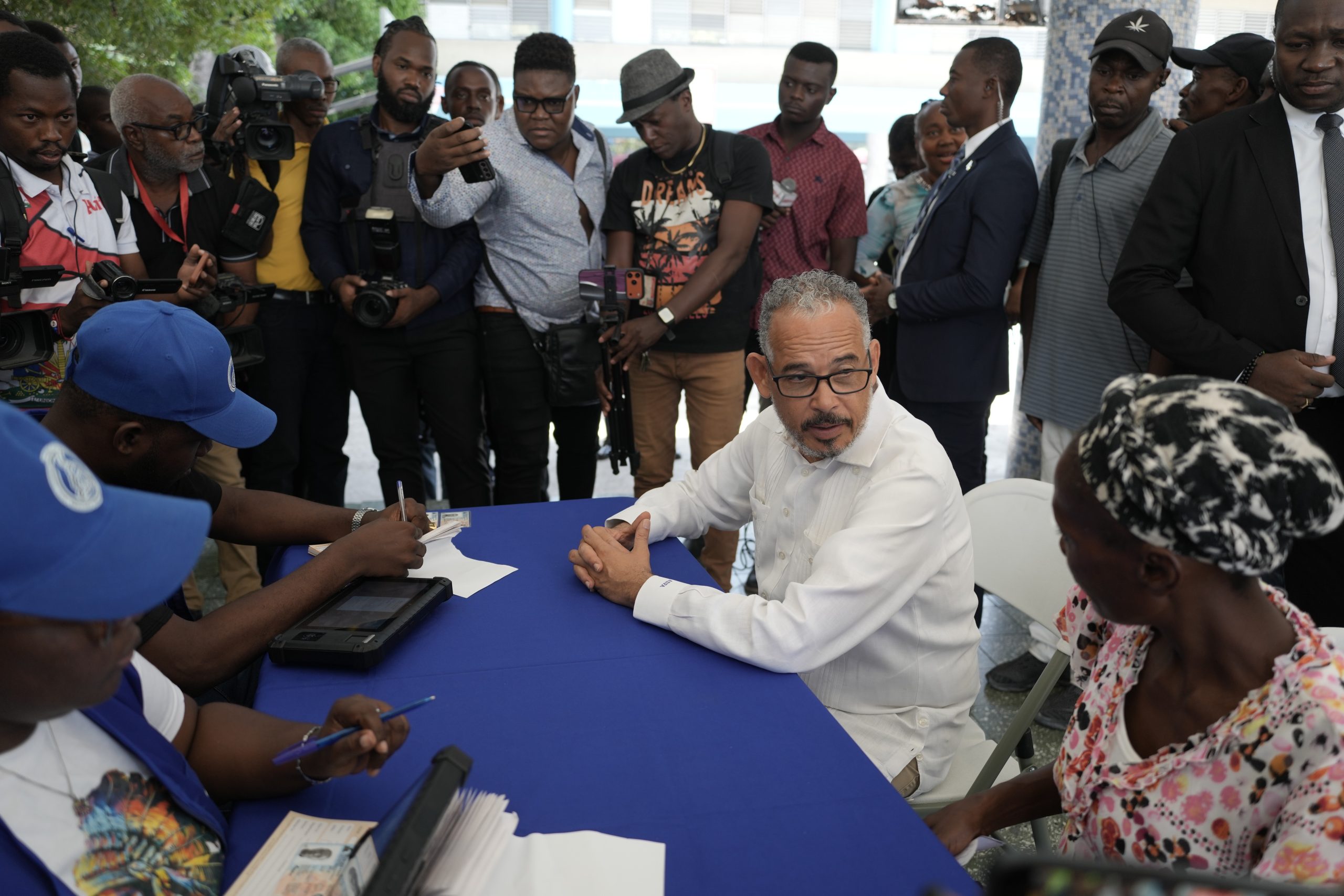
The CEP reported 628,755 registered voters in its Monday statement, representing just over 10% of the potential electorate made up of Haitians who hold a National Identification Card (CIN). The Southeast, Grand’Anse and Nippes departments had the highest registration rates, according to the council.
The number continued to rise after the Sept. 21 update. The CEP’s online statistics showed nearly 653,000 registered voters as of midday on Wednesday, with the Southeast reporting a registration rate above 16% of its potential electorate, followed by Grand’Anse and Nippes.
Screenshot of voter registration rate by Haiti’s department as of Sept. 23, 2026.
The figures remain a concern because voter registration began more than two months ago, leaving the electoral authorities with limited time to enroll more voters before the December vote. The slow registration pace is particularly alarming in the West, North and Artibonite departments—the three regions with the largest shares of Haiti’s electorate.
The National Identification Office (ONI) reported in late August that it had registered 6,583,753 people nationwide and issued ID Cards to 5,837,560, representing 88.67% of those registered. The institution said it was working diligently to deliver the remaining 11.33% of ID cards in process while continuing to strengthen its registration and delivery systems to bring its services closer to the population and facilitate access.
The CEP said voter-registration operations are continuing nationwide. It has established 1,285 operational Registration and Voting Centers (CIV), including 148 in the West Department, which is among the areas most affected by insecurity.
The CEP’s reported progress comes as political organizations continue to raise concerns about the electoral process.
Several parties and political groupings have questioned the electoral calendar and described the timeline as unrealistic. They have also reported technical problems with submitting their required lists of 30,000 members through the CEP’s digital platform.
Some organizations have alleged that rival political groups accessed or copied their membership data and used fraudulent identification numbers. Among those raising concerns are Engagés pour le Développement (EDE), Opposition Progressiste, Coalition des Forces Républicaines (CFR), National Union for the Integrity and Reconciliation (UNIR) and Fusion of Haitian Socialist Democrats.
The concerns prompted the Haitian government to meet with political parties and coalitions from Aug. 23 to 30. The government said it asked the CEP to address issues raised during the consultations.
On Sept. 3, then-CEP President Jacques Desrosiers said discussions over the concerns raised by political actors were continuing while the electoral process moved forward.
Insecurity threatens access
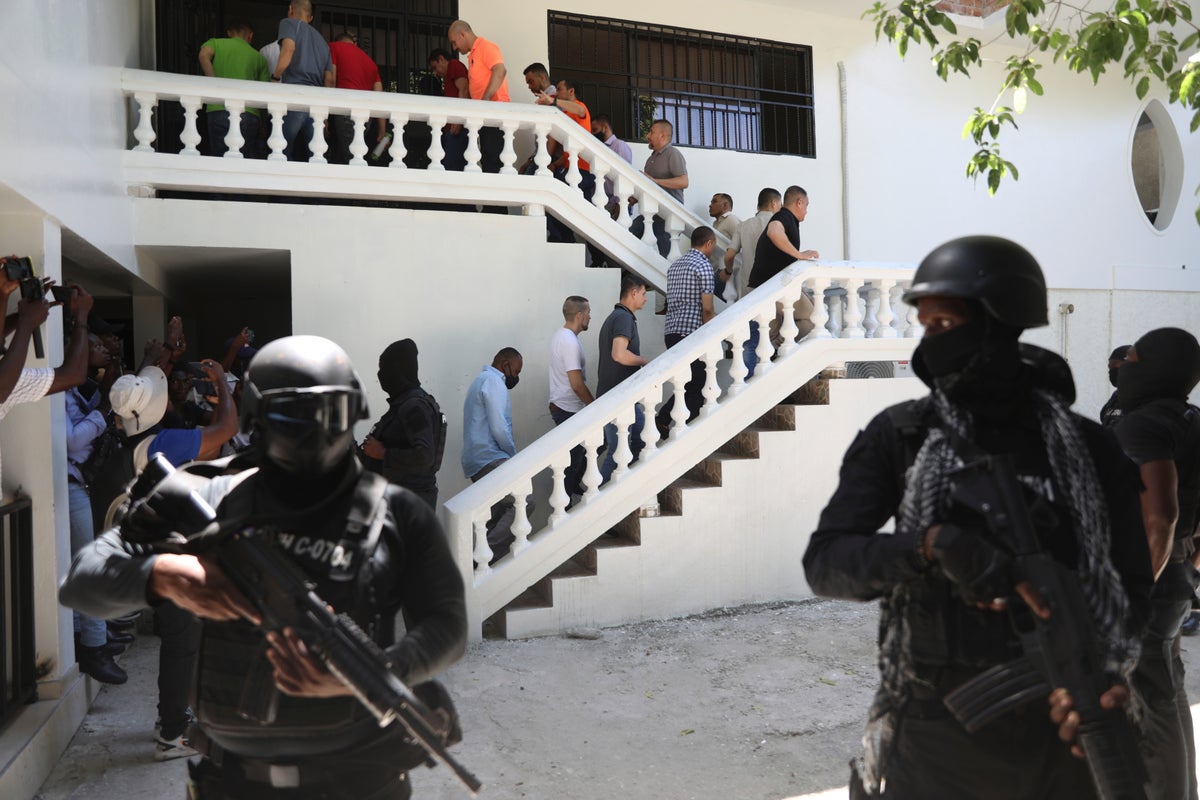
Security remains one of the most significant obstacles to organizing elections nationwide.
The CEP said nearly 20 municipalities have been unable to receive candidate declarations at their usual locations because of the presence of armed gangs. Candidates in those areas must submit their documents elsewhere to keep the process moving.
The council said the arrangement was intended “to address certain constraints and ensure the continuity of the process in some communes.”
Gang violence has also restricted movement between communities and departments, complicating efforts to conduct voter registration and prepare for an election that requires nationwide participation.
As Haiti’s security conditions continue to worsen despite the deployment of a United Nations-backed Gang Suppression Force (GSF) replacing the failed Kenya-led mission, the U.N. reported that 1,408 people were killed and 656 injured in gang-related violence between April and June 2026.
Gang violence has also contributed to widespread displacement, with more than 1.5 million people fleeing their homes to date, according to the reports.
Meanwhile, the Organization of American States (OAS) has described security and elections as Haiti’s two most urgent and interconnected priorities, calling for accelerated efforts to restore democratic institutions through a credible electoral process.
“The security situation and elections constituted the country’s most urgent and closely interconnected priorities,” OAS Secretary General Albert Ramdin said early this month. He called on Haitian actors and the international community to accelerate efforts to restore democratic institutions through a credible electoral process.
“Haitian actors and the international community [must] accelerate their efforts to restore democratic institutions through a credible electoral process,” Ramdin added.