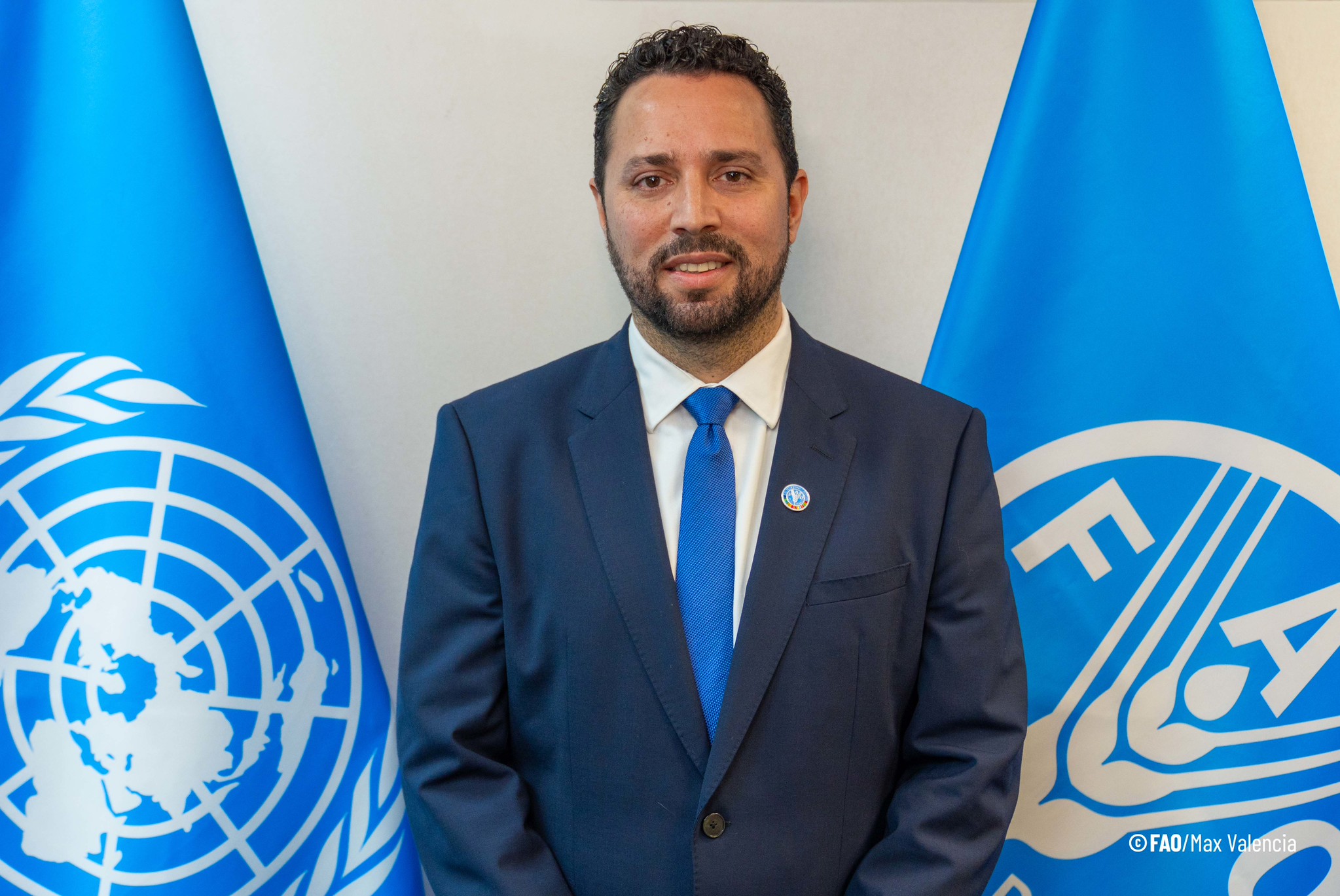
by Kari Grenade, PhD, Caribbean Economist and Macroeconomic Advisor
It is no secret that the Citizenship by Investment (CBI) programmes of Antigua and Barbuda, Dominica, Grenada, St Kitts and Nevis, and St Lucia, referred to as the “CBI-Five”, face an uncertain future.
By 2028, these programmes could be substantially restricted, fundamentally restructured or even discontinued. The implications would be significant. CBI has become an important source of government revenue, helping finance infrastructure, support public investment, strengthen fiscal balances and stimulate economic activity in construction, tourism, real estate and professional services.
However, increasing scrutiny and pressure from international partners suggest that the issue is no longer simply whether these programmes can improve their regulatory frameworks and due diligence procedures. It is increasingly about whether they will continue to accept the principle of granting citizenship in exchange for a predetermined financial contribution, irrespective of how well the programmes are administered and regulated. The uncomfortable reality is that the long-term sustainability of the CBI model can no longer be taken for granted.
The reality is uncomfortable. It may be unfortunate and even unfair, but we are not a people defined by lamentation or resignation. We confront our realities, however difficult, and take responsibility for shaping the future we want.
What are possible options for the CBI-Five? Three possible pathways are examined.
Reorient the programme.
Governments could use this opportunity to transition from a model built around the commodification of citizenship to one focused on attracting productive capital, international businesses, talent, skills and long-term economic partnerships. This would mean prioritising investments that generate employment, foreign exchange, technology transfer and domestic economic linkages rather than simply attracting financial contributions in exchange for passports. However, this transition will not be straightforward. CBI investors are generally motivated by personal interests, including mobility, security and wealth diversification, rather than a commitment to national development. A reoriented programme operating under stricter international conditions may therefore attract a different and potentially smaller pool of investors. Governments must be realistic about what this model can deliver.
Phase down the programme.
Another option is to retain a significantly modified programme while removing the expectation that citizenship will automatically deliver the benefits investors currently seek, particularly visa-free access to the Schengen region. Governments could instead introduce a structured, five-year renewable investor residency programme, allowing qualifying investors to establish residence through substantial economic commitments, such as establishing businesses in productive sectors. But here lies the challenge: why would investors who are primarily interested in the mobility and privileges associated with citizenship settle for residency? The harsh reality of the commodification of citizenship is that many investors are purchasing the freedoms attached to the passport, not seeking to become active, purposeful citizens of the countries issuing them.
Phase out the programme and prepare for life after CBI.
Governments could gradually discontinue their programmes and demand an economic transition assistance package from international partners. However, minimal direct compensation was provided for the loss incurred from the demise of sugar and banana industries, and none was provided following the end of offshore financial services. Why should CBI be different? The responsibility for economic development rests primarily with the people and governments of the CBI-Five. No one is coming to save us. We must prepare to save ourselves.
Is it all doom and gloom? Absolutely not. No CBI does not mean no development. No CBI does not mean no investment. And no CBI certainly does not mean no economic future for the CBI-Five. They have survived the collapse of the sugar and banana economies, the loss of preferential trade arrangements, and the demise of offshore financial services. They will survive this economic challenge. But governments must confront an uncomfortable question: have the CBI programmes been used to build sufficiently resilient, more diversified, and productive economies?
Perhaps the most important lesson is that CBI revenue, however significant, was never a substitute for building resilient and productive economies. CBI revenue was never meant to equate to economic sustainability of the CBI-Five. The ongoing debate must not only defend CBI programmes but also confront the structural weaknesses, institutional shortcomings, and policy failures that have constrained economic diversification, stifled productive capacity, and perpetuated underdevelopment across too many sectors of these economies.
As the CBI-Five collaboratively contemplate their next strategic moves, developing CBI transition strategies must be front and centre. The transition must begin with a coherent and credible fiscal strategy, among other transition strategies. Governments should develop three-to-five-year fiscal adjustment plans that explicitly incorporate the anticipated decline or discontinuation of CBI receipts. National budgets must progressively become less dependent on these inflows. The objective should not be to replace every dollar of lost CBI revenue immediately through higher taxes or additional borrowing, but to establish a more sustainable economic and fiscal framework.
Governments must become more strategic in supporting economic activity that generates employment, foreign exchange, and a broader domestic tax base. This includes, among other strategies, investing in modern infrastructure, developing skills, and creating the regulatory environment required to effectively participate in the digital economy and blue economy, which are the new economic frontiers. Equally important is strengthening local entrepreneurship, facilitating access to finance, improving the investment climate and mobilising the diaspora as a development financing partner.
Public expenditure must be managed with greater discipline. This is not simply about cutting spending. Across-the-board cuts can undermine essential services and constrain development. It is about spending better, prioritising more intelligently and directing scarce resources towards activities that deliver the greatest national benefit. Governments must also recognise that not every development challenge requires additional public expenditure. Community clean-up campaigns, maintenance of public spaces, environmental conservation, youth mentorship, support for vulnerable households and community-based cultural and sporting activities are examples of initiatives where volunteerism can complement government services and reduce public expenditure. National development must be a shared responsibility, not an obligation placed exclusively on government.
The CBI-Five have reinvented their economies before. The decline of sugar, the collapse of the banana industry and the demise of offshore financial services all required difficult adjustments. CBI may be the next chapter in that story.
NOW Grenada is not responsible for the opinions, statements or media content presented by contributors. In case of abuse, click here to report.