by Dr Ishma Harford
Where is the money coming from?
That is the question hiding beneath every conversation about health reform in Grenada. We have ambitions. We have problems everyone agrees need fixing. And sadly, we have the testimonies and lived experiences that make the need undeniable.
What we lack is honesty about what better healthcare actually costs, and more importantly, who pays for it.
Grenada is not a rich nation. We have no revenue from oil or minerals that can fund health. Tourism, our largest industry, is seasonal, highly competitive and subject to global shocks, as we recently experienced with the Covid-19 pandemic. We cannot extract our way to a better health system. Which means we must finance it, deliberately and progressively, from the economy we actually have.
Here is the reality in Grenada, today. The public system is described as free, and if you walk into any government health facility, you will pay nothing at the counter. But look at the big picture and a different truth emerges.
In the face of unavailable medications, tests and treatments and the waiting times to access them when available, Grenadians pay out-of-pocket for 53% of all health expenditure in this country, the highest rate in our subregion and more than double the Caribbean average, according to the Pan American Health Organisation (PAHO).
We are not actually a country with a free health system. We simply pay for health in the most disorganised, inequitable, and expensive way possible: one person at a time, when already sick and worried, and often without insurance to absorb the financial blow.
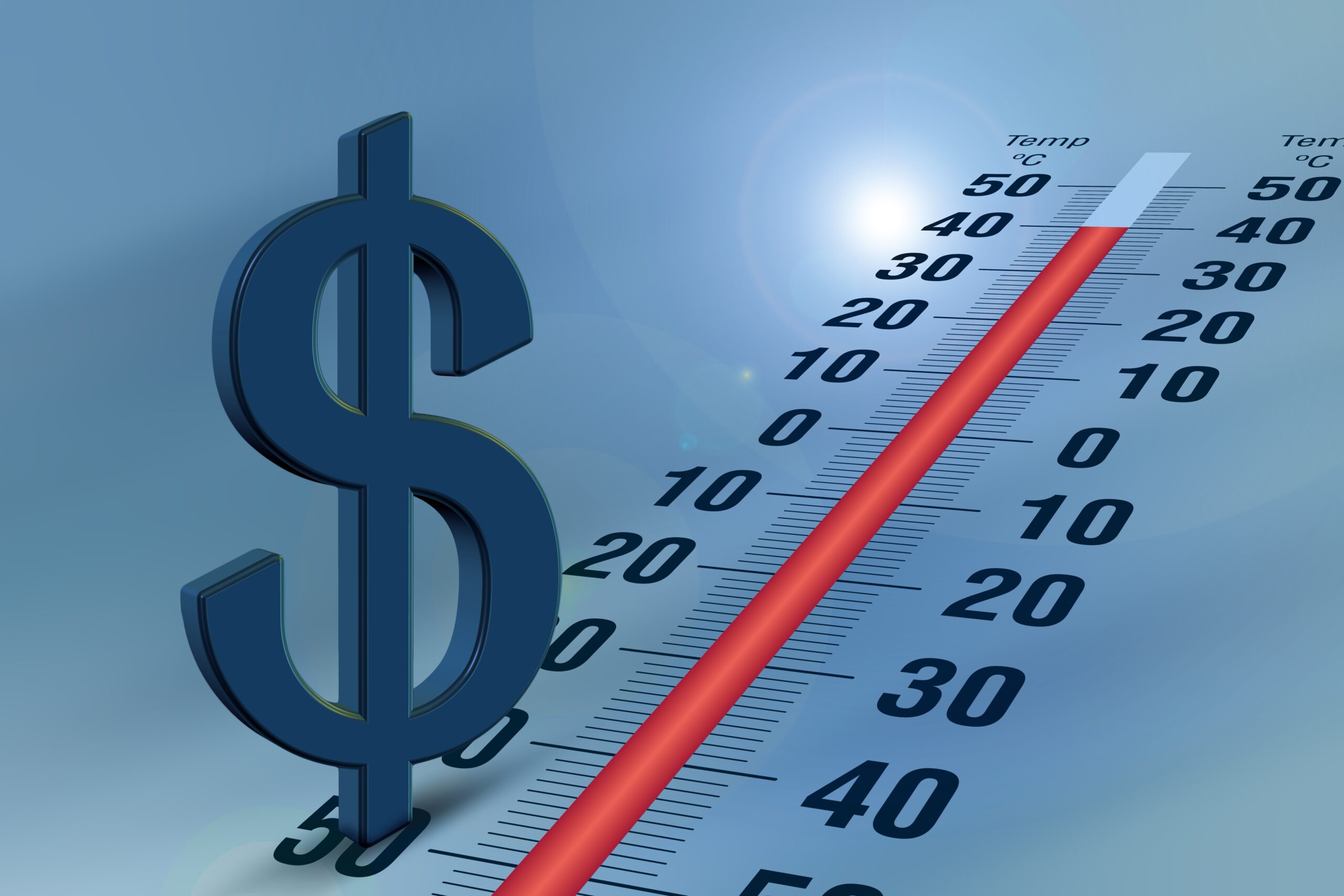
A health tax is an intentional and transparent solution that redistributes risk, protects us all, especially our most vulnerable and generates revenue strategically and sustainably. It converts the hidden tax that we already pay every day into a visible one we can discuss, debate and improve.
So, if this is such a solid strategy, why does it remain a theory?
Because legacy is capital.
The administration that implements a health tax pays a heavy price. They will be remembered for making Grenadians pay outright for healthcare instead of behind the illusion of a free public system, and risk losing office before the new system can show results. If voted out, the incoming administration inherits fuller coffers and the means to cut the ribbons on new wards, create employment and save health. A national victory that they did not sacrifice for.
That gap between the cost and the benefit is not coincidence. It is the unspoken logic that makes political courage risky and inaction the safer bet; and at the same time, the institutional trap that punishes the government that makes the difficult decision.
Two difficult questions remain. Will we ever produce a political class courageous enough to put the nation before its legacy? And does Grenada need a health tax, or the honest but late realisation that we already pay it with much more than our wallets?
Dr Ishma Harford is a medical doctor and a Commonwealth Scholar completing a master’s degree in Health Analysis, Policy and Management. The Health Imperative is an educational, politically neutral column about health, the system that delivers it, and all the implications in between.
NOW Grenada is not responsible for the opinions, statements or media content presented by contributors. In case of abuse, click here to report.