By Haddy Touray
Media stakeholders and civil society organization (CSO) partners have questioned the legality of government’s proposed National Press Accreditation Policy and Broadcasting and Online Content Regulations, 2026.
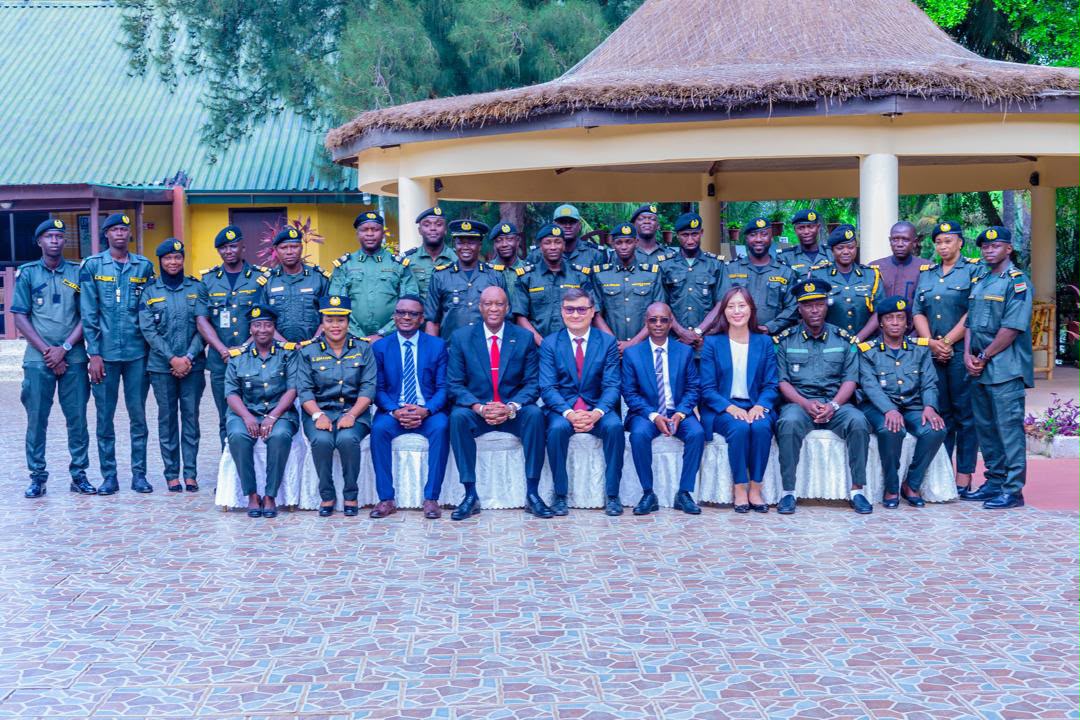
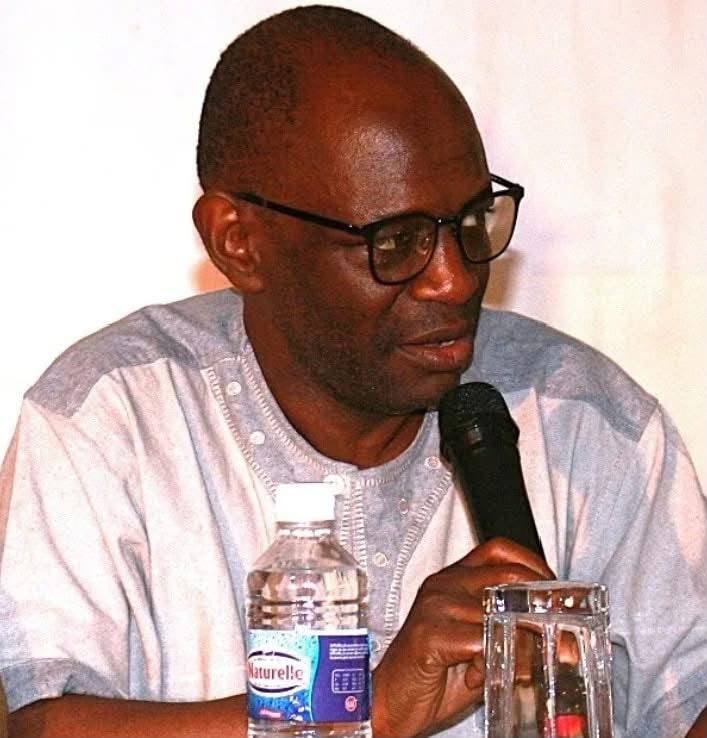
The stakeholders and their partners have come up with the questions during an emergency meeting held on Wednesday at the GPU Secretariat in Fajara.
Presenting a brief on behalf of participants, GPU President Isatou Keita says the proposed National Press Accreditation Policy seeks to establish a centralised system requiring journalists, freelancers, content creators and social media users with significant public reach to obtain state-administered accreditation to access government events and perform journalistic functions.
She observes that the broad scope of the policy effectively transforms accreditation from a logistical access tool into a gatekeeping mechanism determining who can gather and disseminate public information.
According to her, the policy introduces a layered regulatory system under which journalists must obtain approval and accreditation from the Public Utilities Regulatory Authority (PURA), raising concerns about institutional independence.
“The design of the system gives PURA and the Minister authority to decide who is permitted to practise journalism,” she said, adding that this could place undue pressure on journalists and limit their ability to scrutinize public institutions.
She further notes that the policy expands PURA’s mandate beyond broadcast licensing and spectrum management to include regulation of individual journalists, online expression and accreditation systems.
Keita argues that neither the Information and Communication Act, 2009, nor the Constitution authorizes the State to control who may practise journalism through registration or accreditation schemes administered by the executive.
On the Broadcasting and Online Content Regulations, 2026 (new version), stakeholders expressed concern over provisions allowing the Minister to designate any online service, platform or individual as a “designated online content provider.”
They said this could extend regulation to bloggers and individuals without their consent or knowledge, describing it as overly broad and potentially unconstitutional.
Participants also noted that although the regulations reference constitutional safeguards such as freedom of expression and media independence, these were not consistently reflected in provisions granting PURA powers to remove content and impose sanctions.
They further pointed out the absence of judicial review or independent appeal mechanisms for designation decisions, leaving affected individuals or platforms without recourse.
The meeting observes that while the new version states that registration is not required to practise journalism, it still mandates registration for journalists employed by regulated media houses, creating indirect pressure.
Stakeholders maintained that existing laws, including the PURA Act (2001) and the Information and Communication Act (2009), did not authorize the registration of individual journalists, describing the move as beyond the regulator’s legal mandate.
They also raised concern over provisions empowering PURA to suspend or cancel a journalist’s registration for breaches of regulations, arguing that disciplinary matters should be handled by an independent professional body such as the Media Council of The Gambia.
The stakeholders say such provisions contradict regional standards, including the African Commission’s Declaration of Principles on Freedom of Expression and Access to Information in Africa (2019), which calls for independent regulatory bodies.
The meeting concluded that several aspects of the proposed policy and regulations were inconsistent with constitutional, regional and international guarantees of press freedom, freedom of expression and access to information.
Post Views: 190