Facebook Twitter Email Messenger LinkedIn Viber WhatsApp
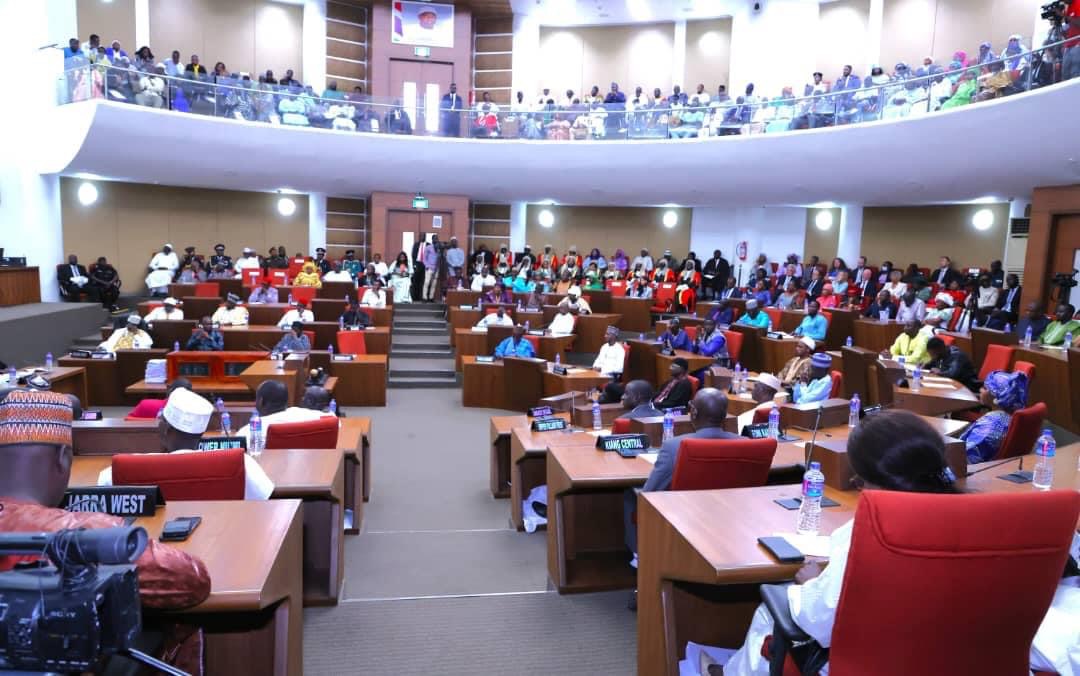
National Assembly of Gambia
In parliamentary debate, rhetoric often surpasses the facts. This occurred when National Assembly members and critics alleged that Justice Jaiteh, acting as a vacation judge, set aside a court order issued by another High Court judge regarding Jammeh’s assets.
The claim was dramatic, politically convenient, and quickly used by those seeking to involve the judiciary in executive accountability.
The facts are clear: these allegations are not found in the Special Select Committee’s findings or recommendations. There is no mention or reference.
The Committee did not investigate judicial conduct, summon judges, or review judicial decisions. Its mandate focused on the Executive, ministerial decisions, administrative failures, and the management of public assets.
National Assembly
Confusing parliamentary rhetoric with official findings is not just careless—it is dangerous. It politicises the judiciary, distorts the record, and undermines the institution that stands between citizens and arbitrary power.
In a fragile democracy rebuilding its backbone, such distortions erode public trust, blur constitutional boundaries, and invite chaos into the branch that must be shielded from politics.
However, clarity requires honest acknowledgment of another aspect of the report, without using it for political advantage.
While the Committee did not implicate Justice Jaiteh or any High Court judge in the asset-sale decisions, it identified administrative failings by certain judiciary staff during the cattle-sale episode.
The Sheriff’s Office, then led by Sheriff Tabally (now a High Court Judge), and a bailiff were found responsible for procedural lapses in disposing of Jammeh’s cattle.
These were operational errors and administrative missteps, not judicial misconduct. They require internal discipline and administrative reform, not a constitutional response.
The distinction between administrative failings by staff and judicial decisions is essential. The judiciary’s integrity should not be judged by clerical errors.
Confusing these roles undermines public understanding of their responsibilities. This distinction is important because the Committee made it clear, and Parliament must do the same.
This distinction is constitutional, not superficial. Parliament’s actions address administrative wrongdoing, not judicial independence.
The Committee’s report indicts executive mismanagement, not the courts. The judiciary was not on trial; the Executive was. This clarity is essential for the rule of law, separation of powers, national dialogue, and the fight against corruption.
The public must not be misled into believing Parliament’s focus is on the judiciary rather than the Executive.
The Republic must not allow political heat to cloud institutional truth. Parliament has spoken. Its fire was aimed at administrative wrongdoing.
The judiciary must not be dragged into the flames even as it confronts its own internal administrative lapses with honesty and reform.
By Alagi Yorro Jallow
Alagi Yorro Jallow
Post Views: 6
Facebook Twitter Email Messenger LinkedIn Viber WhatsApp