…New child-led board gives young people direct say in programmes affecting their lives
BY SIBUSISEKILE NDLANGAMANDLA
NHLANGANO– Children will no longer only be recipients of protection programmes at the National Association of Child Care and Protection (NATICC), but will now have a direct voice in helping shape the services designed for them.
In a significant move towards strengthening meaningful child participation, NATICC has established a Child-Led Advisory Board (CLAB), creating a structured platform through which young people can share their experiences, highlight challenges and recommend improvements to child protection programmes.
Members of the newly established board have already been formally inducted and capacitated to participate in discussions around the governance, accountability and effectiveness of programmes affecting children.
The initiative effectively places children closer to the centre of decision-making by recognising that those who experience child-focused programmes can also provide valuable insights into how those programmes can be strengthened.
Through the board, young people will be able to identify barriers that children face when trying to access support services, review programmes and provide recommendations on how child protection and survivor-centred interventions can become more responsive.
NATICC Executive Director Sisekelo Nzima described the young board members as “esteemed members”, recognising the skills, perspectives and values they bring to child-focused programming.
“We need people who will have special skills in assisting with programming involving children,” Nzima said.
He emphasised the importance of ensuring that children’s perspectives are incorporated into programme planning, reporting and advocacy.
Unlike conventional boards constituted through elections, Nzima explained that CLAB members were appointed on the basis of the qualities and values they could contribute.
The board will hold its own sittings, during which members will discuss issues affecting children and formulate recommendations aimed at strengthening NATICC’s programmes.
Its responsibilities will extend across several areas, including child protection, survivor support, programme reviews, identifying obstacles to accessing services, monitoring programmes and providing feedback.
The establishment of the board also seeks to ensure that children’s participation takes place within an environment that protects their safety, dignity, privacy and wellbeing.
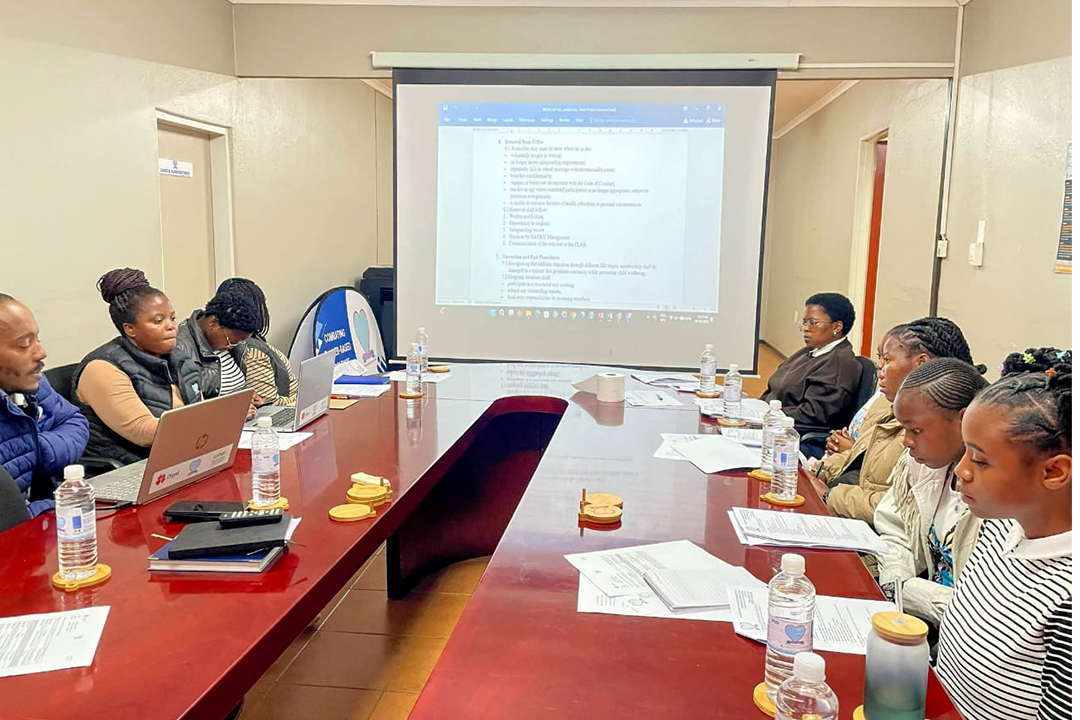
As part of preparing members for their new responsibilities, NATICC Social Worker Sisana Mngometulu provided training on safeguarding and Protection from Sexual Exploitation and Abuse (PSEA).
The training was aimed at equipping the young members with knowledge necessary for safe, responsible and respectful participation.
NATICC Programme Manager Kenneth Makhanya also guided members through the board’s Terms of Reference, explaining its strategic, operational and capacity-building responsibilities.
Monitoring and evaluation will form an important part of the board’s work.
Through their observations and feedback, members will assist NATICC in understanding which programmes are producing the desired results, which areas require improvement and where additional support may be necessary.
The establishment of CLAB signals an important shift in the way young people are viewed within child protection programming.
Instead of being seen only as beneficiaries of services designed by adults, children are being recognised as contributors to knowledge, partners in organisational learning and participants capable of helping shape solutions affecting their own lives.
Through the initiative, NATICC is creating space for children’s lived experiences to inform its programmes — strengthening the possibility of interventions that are not only designed for children, but increasingly shaped with children.
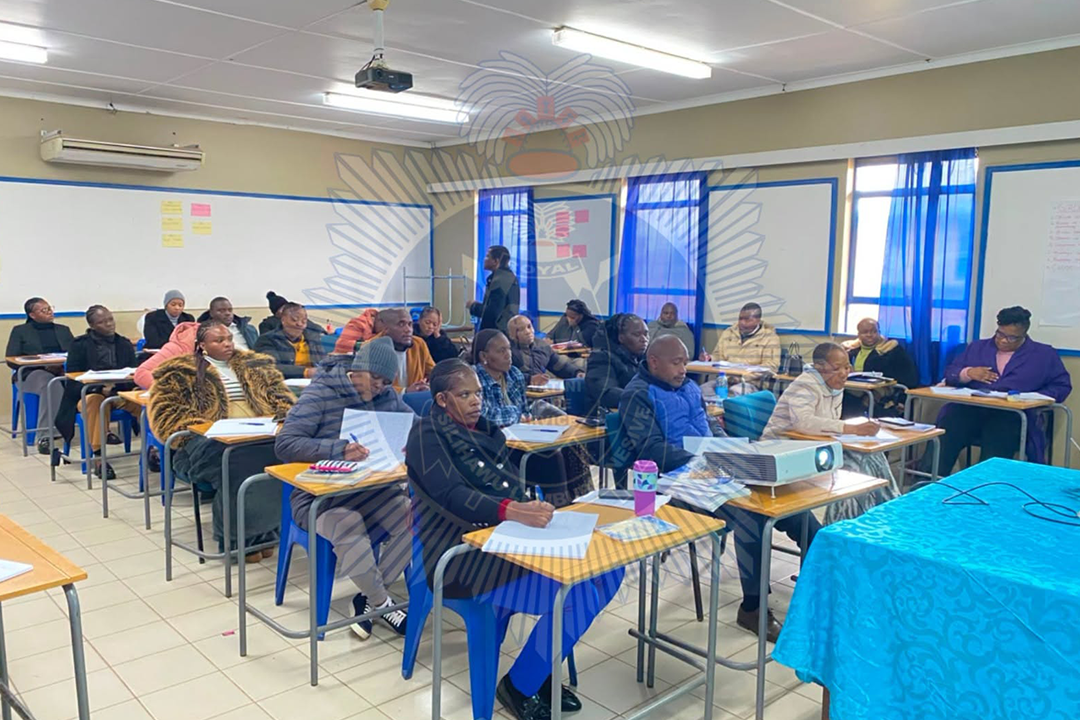
(Courtesy Pic)
Post Views: 21