BY PHUMELELE GAMEDZE
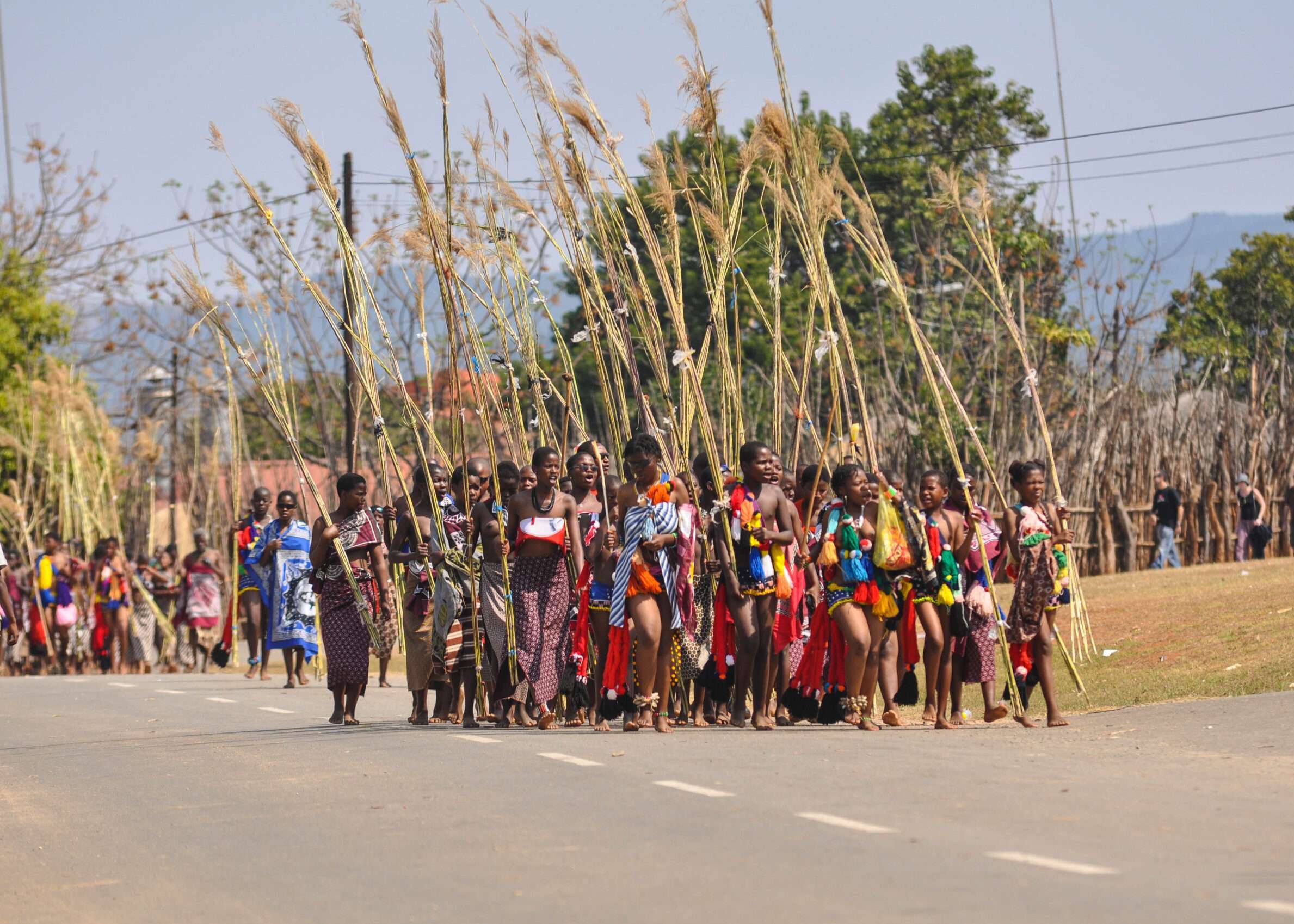
MBABANE – Somewhere in Eswatini, a young maiden is already thinking about the day she will lift a reed, join thousands of others and walk into a tradition that began long before she was born.
Perhaps her mother has already spoken to her about it. Perhaps her grandmother has told her what Umhlanga meant when she was young. Perhaps she has only seen the ceremony through photographs and videos, waiting for the day when she too becomes part of the picture.
That day is now almost here.
In two weeks, the Kingdom will once again hear the songs of Imbali, see the colourful regiments gather and watch the reeds rise as Eswatini celebrates one of its most treasured cultural traditions. But beneath the dancing, singing and beautiful regalia is a much quieter story.A story about who we were, who we are and who we are becoming.
BEFORE SHE WAS IMBALI, SHE WAS SOMEONE’S DAUGHTER
Every maiden arriving at Umhlanga carries more than a reed.
She carries a family name.
She carries the prayers of a mother.
She carries the memories of a grandmother.
She carries the expectations of a community.
And, perhaps most importantly, she carries a piece of Eswatini’s history.
Umhlanga is rooted in the country’s pre colonial past and has been passed from generation to generation. The modern form of the ceremony is also associated with the reign of King Sobhuza II, showing how traditions can evolve while retaining their place in the nation’s identity
That history should never become just something written in a textbook.
It should live in the hearts of the young people who inherit it.
Because the Imbali of today stands where another Imbali once stood.
The difference is that today’s maiden has a different world waiting for her when she returns home.
She has classrooms, examinations, social media, careers and dreams that stretch far beyond the mountains of her community.
Yet for a few days, she becomes part of something much older than the world in her phone.
She becomes part of Imbali yemaSwati.
GOGO’S IMBALI AND TODAY’S IMBALI
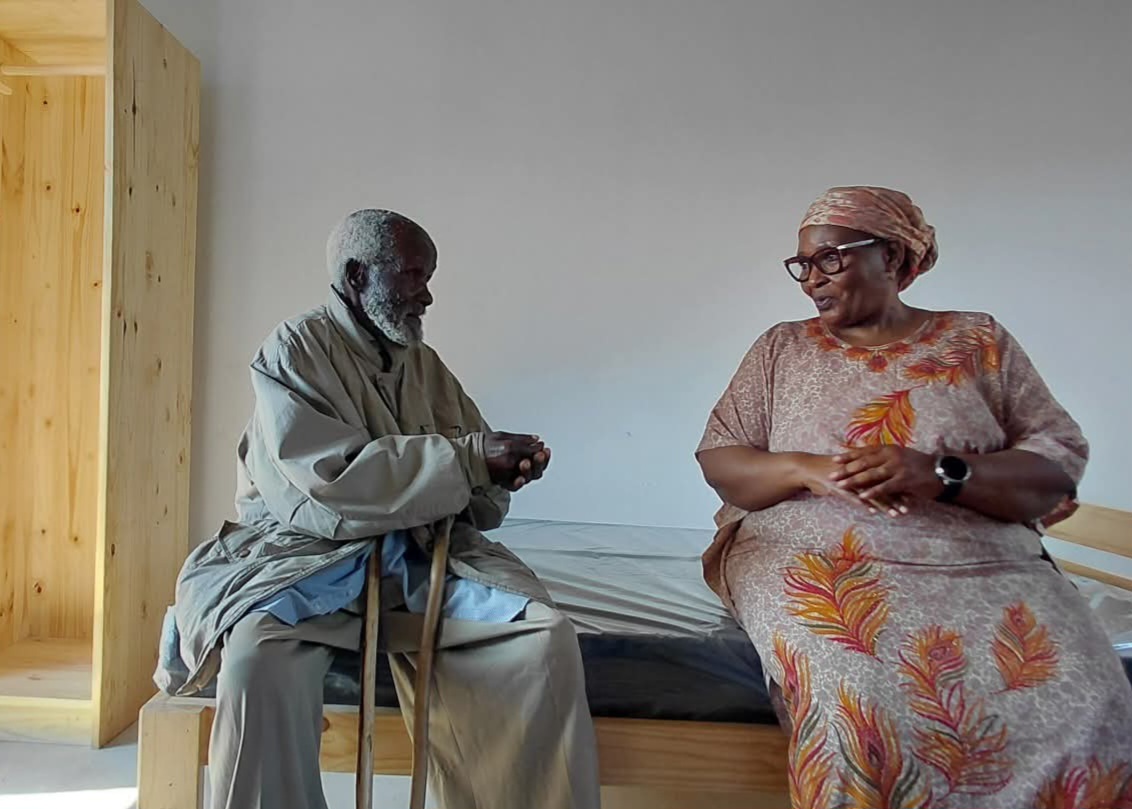
There is something deeply moving about imagining an elderly woman watching the girls prepare for Umhlanga today.
She may recognise the songs.
She may recognise the movements.
She may remember the feeling of standing among other young girls, carrying her own reed many years ago.
But the faces around her have changed.
The world has changed.
And the little girl she once was has become the grandmother watching from the sidelines.
That is the beauty of tradition.
It allows one generation to see itself in another.
Yesterday’s Imbali becomes today’s Gogo.
Today’s Imbali will one day become tomorrow’s mother, aunt or grandmother.
And when that day comes, she may look at another generation of young maidens and remember the August when she too stood among them.
That is how culture survives not only through ceremonies, but through people remembering.
TO THE IMBALI: KNOW WHAT YOU CARRY
To every maiden preparing for Umhlanga this year, remember this:
You are not going there simply to be seen.
You are going there to belong.
The reed in your hands is not merely something beautiful to carry for a photograph.
It is part of a story that has travelled through generations.
Walk with pride, but also with humility.
Sing with joy, but understand the meaning behind the gathering.
Dance, celebrate and make memories, but remember that the dignity you carry matters.
And when the ceremony is over and you return home, do not leave the lessons behind at Ludzidzini.
Take them with you.
Take them into your school.
Take them into your friendships.
Take them into your communities.
Take them into the woman you are becoming.
Because culture is not protected only when we gather for Umhlanga.
Culture is protected by how we live when the reeds have been put down.
TO EVERY LISWATI: LET US PROTECT HER
And this message is not only for Imbali.
It is for every Liswati.
The parents who prepare their daughters.
The grandmothers who tell stories.
The fathers who watch proudly.
The traditional leaders who safeguard customs.
The communities that send their daughters.
The spectators who gather to witness the ceremony.
We all have a responsibility.
If we want our children to inherit our culture, we must teach them to understand it.
If we want them to respect tradition, we must show them why it deserves respect.
And if we want Umhlanga to remain meaningful for another generation, we must protect the young women at the heart of it.
Let us not reduce Imbali to photographs.
Let us not reduce Umhlanga to spectacle.
Let us remember the human beings behind the regalia.
Every maiden is someone’s child.
Every maiden has a dream.
Every maiden has a future.
And every maiden deserves to experience her culture with dignity and respect.
WHEN THE REEDS RISE
Soon, the Kingdom will become alive with the familiar sounds of Umhlanga.
The roads will carry families travelling towards the royal residence.
The songs will rise.
The regiments will gather.
The reeds will be lifted.
And for another year, Eswatini will see the image that has become deeply woven into its identity thousands of young maidens standing together.
But perhaps, this year, we should look a little closer.
Look beyond the colours.
Beyond the numbers.
Beyond the spectacle.
Look into the face of one maiden.
See someone’s daughter.
See someone’s granddaughter.
See tomorrow’s mother.
See tomorrow’s leader.
See a young Liswati carrying something that was entrusted to her long before she understood its weight.
Then perhaps we will understand why the reed matters.
Because the reed is fragile.
But the story it carries is strong.
And when the reeds rise this August, may they remind us that we are not only celebrating where Eswatini comes from we are deciding what kind of Eswatini we will leave behind.
Kwasa Mbali yemaSwati.
May she walk proudly.
May she walk safely.
May she understand the story behind the reed.
And may every Liswati who watches her remember that the future of a culture is not found only in the past.
It is standing before us.
#Umhlanga2026 #ImbaliYemaSwati #EswatiniHeritage #OurCultureOurPride
Post Views: 1