Accra – Ghana has come under international scrutiny after accepting dozens of West African migrants deported from the United States under former president Donald Trump’s immigration policy and later returning many of them to their home countries despite a court-ordered protection granted in the US.
The controversy centres on third country removals, a practice used by US authorities to deport undocumented migrants to countries other than their own when direct return is difficult. According to lawyers and human rights advocates, Ghana received more than 30 such deportees last year and later sent at least 22 of them back to countries where they said they feared persecution or torture.
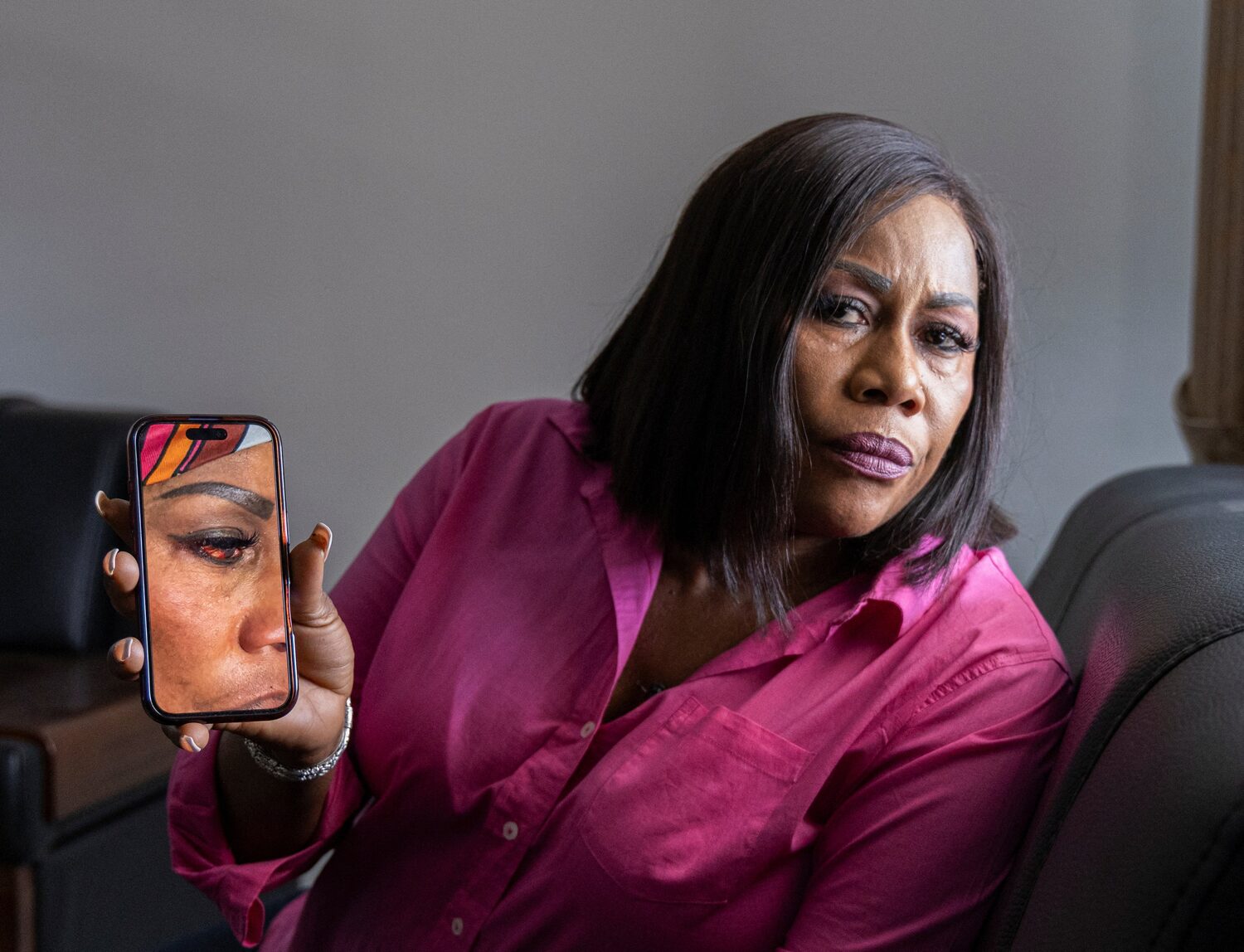
One of the most prominent cases is that of Rabbiatu Kuyateh, a 58 year old Sierra Leonean woman who had lived in Maryland for nearly three decades. She was detained by US Immigration and Customs Enforcement in July during a routine check in and later granted protection by a US immigration judge, barring her removal to Sierra Leone due to the risk of serious harm linked to her family’s political background.
Despite that ruling, Kuyateh was flown to Accra on November 5 and held at a hotel for six days before being forcibly returned to Sierra Leone. A video widely circulated on social media showed uniformed men dragging her across a hotel floor as she resisted being taken away. The footage placed Ghana at the centre of a growing debate over the legality and ethics of third country deportations.
Ghana’s interior ministry announced on November 12 that it had opened an investigation into her treatment by immigration officials, but no findings have been made public. Government departments in Accra did not respond to questions about the broader handling of US deportees.
A combination image of screengrabs from a video posted on social media and shared with Reuters shows Rabbiatu Kuyateh, a Sierra Leonean woman who spent nearly three decades in the United States before being deported to Ghana in November 2025, being dragged toward a van as Ghanaian authorities prepared to fly her to Sierra Leone. Handout via REUTERS THIS IMAGE HAS BEEN SUPPLIED BY A THIRD PARTY
Reuters journalists later met Kuyateh after she fled Sierra Leone again in November to another West African country she asked not to be named for safety reasons. She said the forced return had left her traumatised and separated from her family, most of whom are US citizens.
Kuyateh told Reuters she first moved to the United States to escape Sierra Leone’s civil war between 1991 and 2002. In documents seen by the news agency, she said she had been detained and raped by government forces during the conflict and that her brother was later tortured in 2014 due to their father’s opposition politics. While Reuters could not independently verify her claims, the US judge granted her withholding of removal, a form of protection meant to prevent deportation to a dangerous country.
Her lawyer, Hannah Bridges, said Kuyateh was never told she would be sent to Ghana until she was boarding the flight. US immigration authorities did not respond to requests for comment on that claim.
Mohamed Alghali, 33, looks at an album containing photographs of his mother, Rabbiatu Kuyateh, at the home they shared in Bowie, Maryland, U.S., December 10, 2025. Kuyateh was deported in November to Ghana, which has an agreement with the Trump administration to take West African migrants who cannot easily be sent to their home countries. She said she was then flown against her will to her native Sierra Leone, where she feared she could be tortured because of her father’s ties to the political opposition. REUTERS/Julio-Cesar Chavez
Human rights groups argue that sending migrants to third countries that later repatriate them violates international law against refoulement, which bars returning individuals to places where they face serious harm. Elora Mukherjee of Columbia Law School said if countries like Ghana and Equatorial Guinea do not provide a real chance to challenge repatriation, they cannot be considered safe destinations.
The US Department of Homeland Security rejected that view, saying all those deported received due process and had final removal orders. Once migrants are transferred to another country’s custody, US officials say responsibility shifts to that government.
Reuters also found that Equatorial Guinea accepted at least three US deportees with similar protection orders and later returned them to their home countries. One of them, Diadie Camara from Mauritania, said he fled hereditary slavery and was granted protection from being sent back by a US judge. He was later flown to Equatorial Guinea in November and sent home via Morocco on December 25. Speaking by phone, Camara said he was now in hiding and feared retaliation from the family that had enslaved him.
Lawyers tracking the deportations said at least six African countries have agreed to accept third country deportees from the US. Two confirmed flights landed in Ghana on September 5 with 14 migrants and on November 5 with 19 more. Those later repatriated included citizens of Gambia, Guinea, Mali, Nigeria, Senegal, Sierra Leone, Togo and Liberia.
Among them were people granted US protection due to political persecution, sexual orientation in countries where same sex relations are criminalised, and fears of female genital mutilation. In some cases, lawyers allege migrants were driven across borders informally, including two Togolese women reportedly dropped off by motorbike outside official crossing points.
Ghanaian lawyer Oliver Barker Vormawor is among those challenging the constitutionality of the government’s agreement with Washington, arguing it exposes migrants to serious danger. A US federal judge, Tanya Chutkan, also questioned the arrangement in September, saying it appeared designed to bypass legal safeguards, though she ruled she lacked jurisdiction to intervene.
Ghanaian authorities have said they only accept West African deportees without criminal records. Presidential spokesperson Felix Kwakye Ofosu said migrants are processed and sent to their countries of origin as they arrive. Foreign Minister Samuel Okudzeto Ablakwa earlier said Ghana’s decision was based on humanitarian grounds and not financial compensation, though he later acknowledged discussions with US officials about possible visa and trade concessions.
Since then, the US has eased visa restrictions on Ghanaians and lifted a 15 percent tariff on cocoa and other agricultural products, though officials on both sides have declined to link the moves directly to immigration cooperation.