BY THEMBA ZWANE
MBABANE– Eswatini has been singled out as one of the Southern African countries that has successfully transitioned from emergency response efforts to recovery and reconstruction, according to the latest regional humanitarian assessment by the United Nations Office for the Coordination of Humanitarian Affairs (OCHA).
The UN report, covering the second quarter of 2026, indicates that while several countries in the region were affected by floods and cyclones earlier in the year, most have now moved beyond the emergency stage and are focusing on rebuilding communities and restoring livelihoods.
Importantly, the report identifies Mozambique as the only country in Southern Africa where ongoing conflict continues to generate significant humanitarian needs, making it a regional exception.
For Eswatini, the assessment paints a more encouraging picture. Although localized flooding was still reported in some areas, the country is no longer facing a large-scale humanitarian emergency and is instead concentrating on recovery and resilience-building efforts.
The findings underscore the progress made by the Kingdom and its partners in managing the effects of adverse weather conditions that affected parts of the region during the year.
According to OCHA, more than 2.6 million people across Southern Africa were affected by floods and cyclones during the period under review. However, as floodwaters receded and emergency interventions took effect, most countries shifted their attention toward long-term recovery initiatives.
The report notes that vulnerabilities remain across the region, particularly in relation to food security, disease outbreaks and climate-related shocks, but the overall humanitarian situation has improved compared to the beginning of the year.
Eswatini’s inclusion among countries advancing into the recovery phase reflects broader regional stability and effective disaster management mechanisms that have helped communities withstand weather-related challenges.
In contrast, the UN highlighted Mozambique’s continuing humanitarian pressures linked to insecurity in Cabo Delgado Province, where an armed insurgency has persisted since 2017. The conflict has resulted in thousands of deaths, widespread displacement and the destruction of infrastructure, leaving humanitarian agencies with ongoing emergency responsibilities.
The regional report also notes that refugee and asylum-seeker movements remained largely stable during the second quarter, with no major deterioration recorded across Southern Africa.
While challenges remain, including food insecurity and public health concerns affecting millions across the region, the UN says favourable rainfall and seasonal harvests have contributed to improved conditions in many countries.
The positive assessment comes as governments across Southern Africa continue investing in disaster preparedness, climate resilience and recovery programmes aimed at protecting communities from future shocks.
For Eswatini, the latest UN findings provide reassurance that the country is steadily moving forward from emergency conditions and strengthening its capacity to recover from natural disasters while supporting sustainable development.
The report serves as an important reminder that although climate-related risks remain, Eswatini’s current position is one of recovery rather than crisis, placing the Kingdom among the Southern African countries making tangible progress in rebuilding and enhancing resilience.
#Eswatini #Government #Kingdom #SADC #UN #RegionalReport
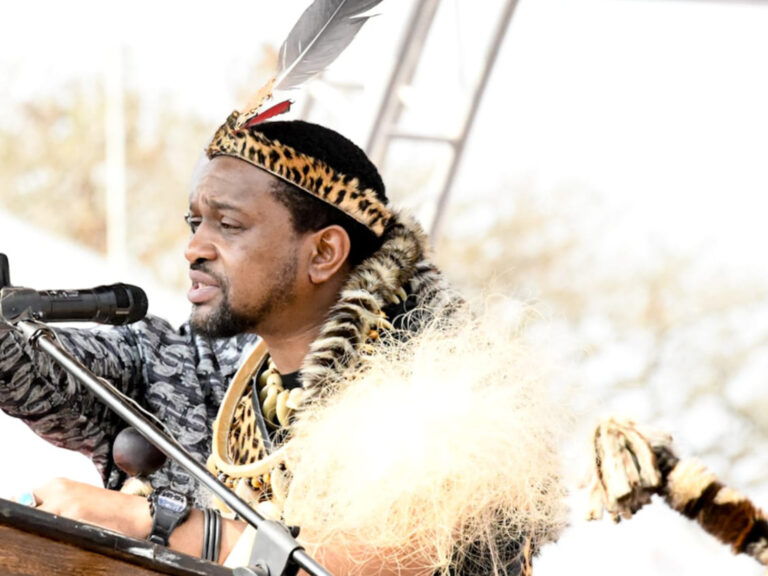
(Courtesy Pic)
Post Views: 175