BY THEMBA ZWANE
MBABANE – Eswatini is projected to maintain a fiscal deficit of 5.2 percent of gross domestic product (GDP) in 2026, placing the Kingdom in a comparatively stronger position than several African countries facing much wider budget deficits, according to the World Bank.
The projection is contained in the Africa Economic Update, April 2026, the World Bank’s flagship report on economic trends and fiscal performance across Sub-Saharan Africa.
The report shows that while several countries are expected to record significantly larger budget deficits, Eswatini’s projected deficit remains well below those of countries such as Malawi, which is forecast to post the continent’s highest fiscal deficit at 11.8 percent of GDP. Botswana and Mauritius are projected at 7.1 percent, Namibia at 6.9 percent, Senegal at 6.7 percent, Uganda at 6.2 percent, and Kenya at 5.6 percent. Eswatini is projected at 5.2 percent, the same level as Sudan and Mozambique.
The World Bank says fiscal deficits across Africa continue to be driven by rising debt-servicing costs, inflationary pressures, weak domestic revenue mobilisation and reduced external financing.
Despite these challenges, the report notes that African countries are pursuing industrial policies aimed at accelerating economic growth through measures such as tax incentives, tariffs and special economic zones. It says the success of such policies depends on strong institutions, sound policy design and effective implementation.
Rather than replicating the industrialisation model used by East Asian economies, the World Bank recommends that African countries develop strategies tailored to their own economic circumstances and development priorities.
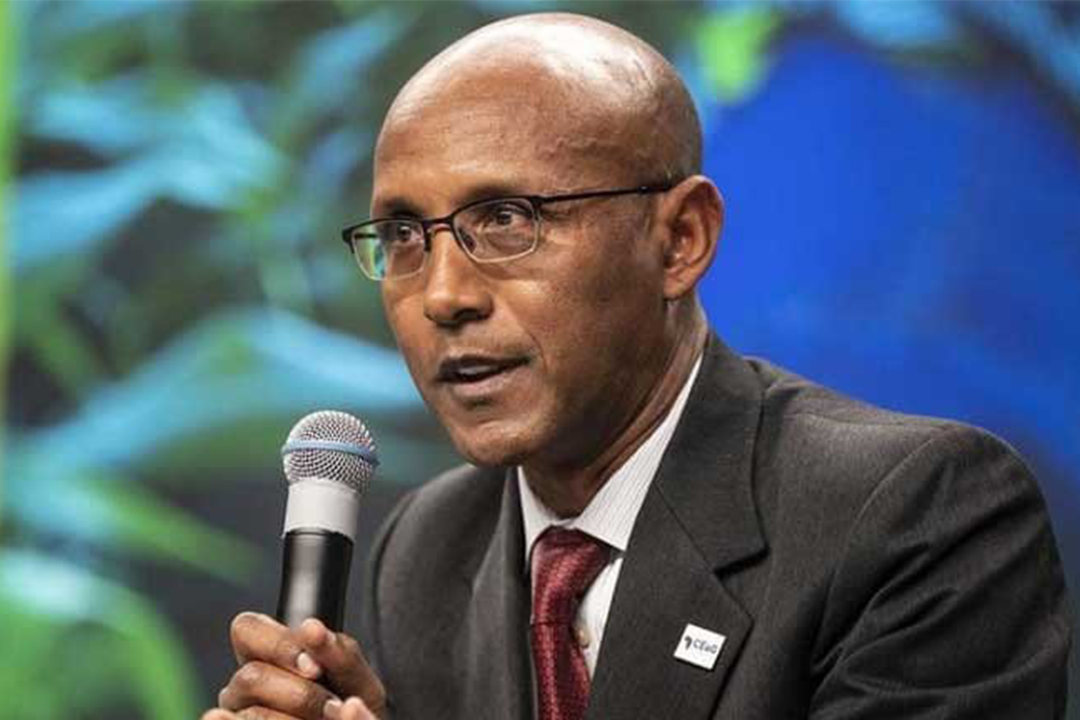
World Bank Chief Economist for Africa Andrew Dabalen said the continent has continued to demonstrate resilience despite global economic shocks.
He said Africa’s economic growth forecast was revised from 4.4 percent to 4.1 percent following the conflict in the Middle East, which triggered increases in global oil, gas and fertiliser prices.
“We were hoping inflation would remain low, investment would continue to recover and commodity prices would remain high. However, the war in the Middle East has led to skyrocketing oil, gas and fertiliser prices that are cascading across many sectors,” Dabalen said.
He noted that while external pressures remain, continued fiscal reforms and prudent economic management will be key to strengthening resilience across the continent.
For Eswatini, the report points to the importance of sustaining sound fiscal management, strengthening domestic revenue mobilisation and implementing economic reforms that support inclusive growth and long-term economic stability.
#Eswatini #WorldBank #Fiscal #Report #SubSaharaRegion #Government
Post Views: 137