Eswatini has stepped up efforts to attract high-value investment into the country following a strategic engagement between Prime Minister Russell Dlamini and renowned Taiwanese businessman Stan Shih, founder and honorary chairman of global technology company Acer Inc.
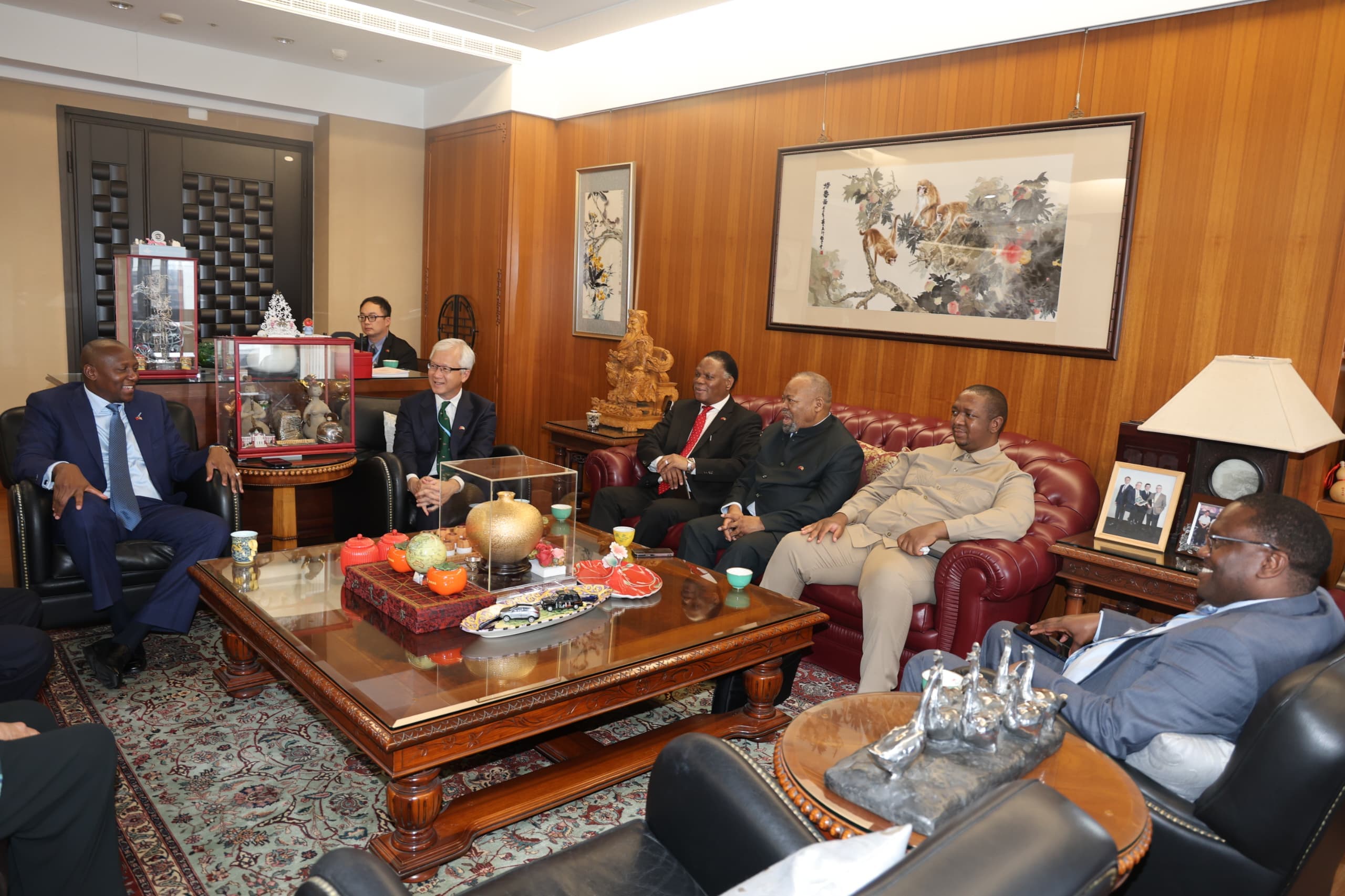
The Prime Minister met Shih at his residence in Taipei, Taiwan, where discussions centred on potential collaboration between Eswatini and the technology entrepreneur, including the possibility of establishing a manufacturing or assembly facility in the Kingdom.
The proposed facility could be located at the planned Eswatini–Taiwan Industrial Innovation Park in Phocweni, which the government views as a potential catalyst for industrialisation, technology transfer, job creation and investment.
Advertisement
The engagement formed part of the Prime Minister’s ongoing engagements in Taiwan as Eswatini seeks to deepen economic and technological cooperation while positioning itself as an attractive destination for investors.
During the meeting, Dlamini outlined His Majesty King Mswati III’s vision of transforming Eswatini into a developed nation and highlighted the country’s strategic position as an investment destination.
The Prime Minister’s delegation emphasised Eswatini’s access to regional and continental markets through various trade arrangements, presenting the Kingdom as a potential gateway for investors seeking access to markets beyond its borders.
The discussions with Shih are particularly significant given Acer’s standing in the global technology sector and its experience in electronics and innovation.
The Eswatini delegation presented the country’s ambition to become the first country in Africa to eradicate poverty, with discussions focusing on how technology, entrepreneurship, innovation and skills development could contribute towards achieving that goal.
The government expressed optimism that Shih could play a role in supporting the development of a new generation of entrepreneurs in Eswatini through his Person Social Responsibility (PSR) initiative,
mentorship programmes and technology-driven innovation. Shih and his wife, Carolyn, warmly welcomed Dlamini and the Eswatini delegation at their Taipei residence.
During the meeting, Shih expressed enthusiasm about strengthening cooperation with Eswatini, particularly in areas he believes could contribute to the country’s long-term development.
These areas include technology, artificial intelligence, innovation and skills development.
Shih indicated that his interest in working with Eswatini was not limited to a single commercial project, suggesting instead that a broader collaborative programme could be developed to support the country’s development agenda.
He said they would work towards designing a programme through which they could collaborate with Eswatini in areas that could contribute to the Kingdom’s economic and technological advancement.