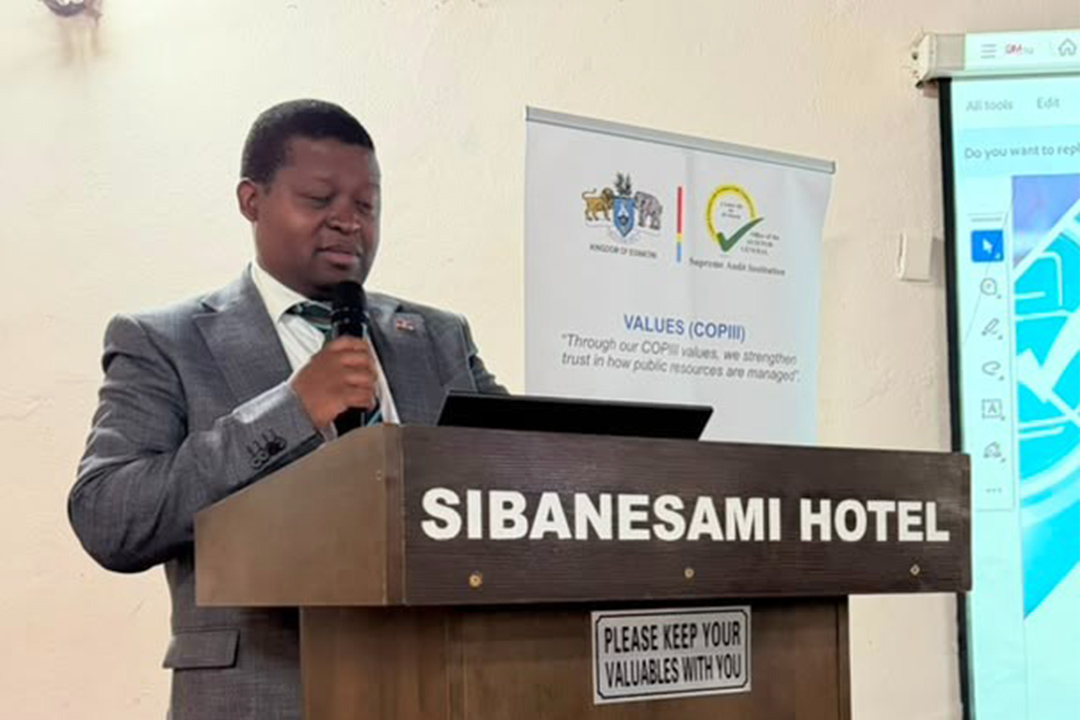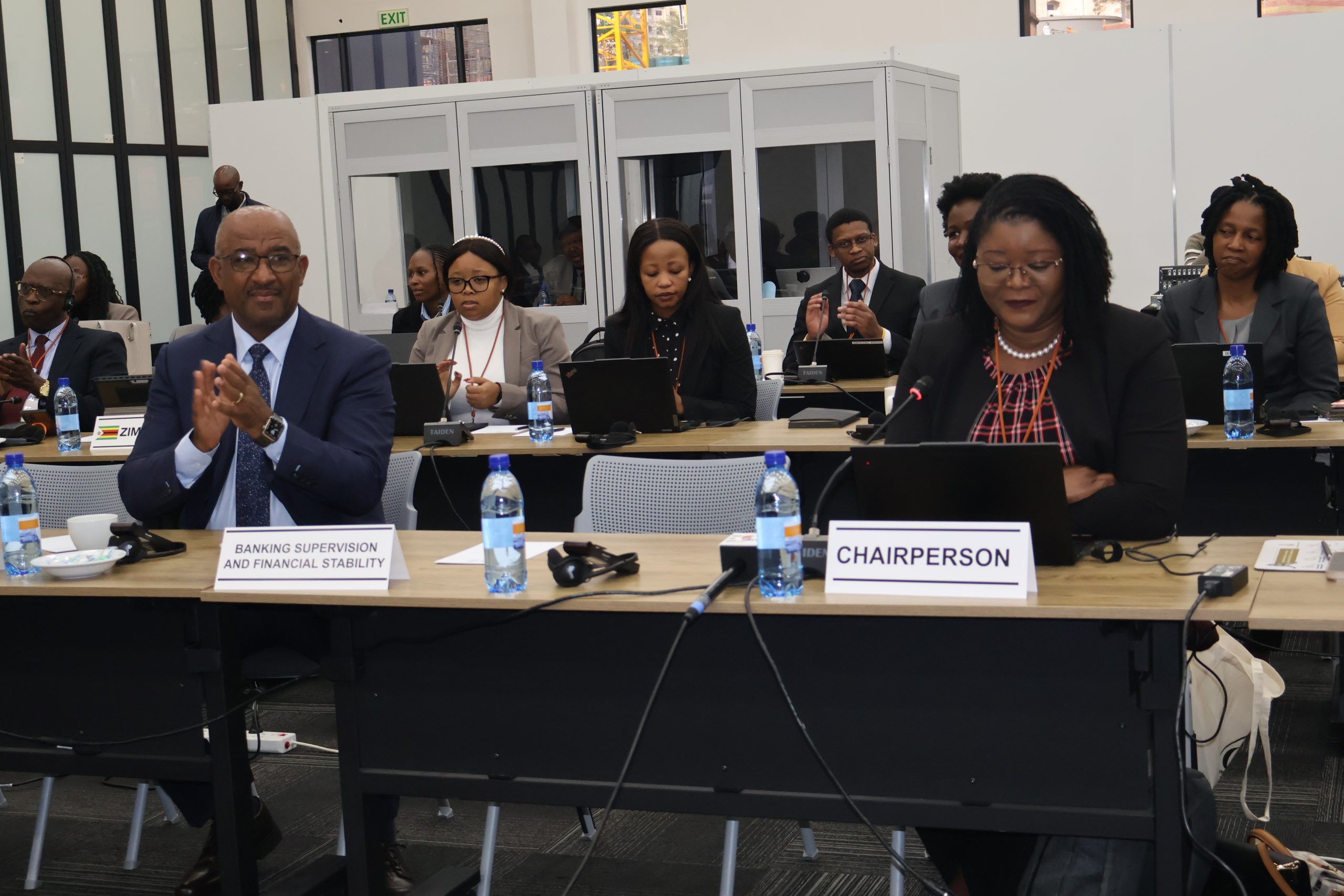
Central Bank of Eswatini Governor Dr Phil Mnisi has called on regional banking supervisors to move beyond policy drafting and deliver concrete, measurable results.
Mnisi was urging the Committee of Central Bank Governors (CCBG) Subcommittee on Banking Supervision and Financial Stability to agree on outcomes that are clear, specific and assigned to responsible owners.
Speaking at the opening of the two-day meeting on Thursday, Mnisi said the subcommittee’s work must be judged against the broader strategy approved by the SADC Committee of Central Bank Governors and that delegates should use the forum to examine what has not worked in the past and why.
Advertisement
Central Bank of Eswatini Governor Dr Phil Mnisi.
Dr Mnisi welcomed delegates on behalf of the Central Bank of Eswatini and thanked the Central Bank of Congo for hosting the March meeting.
He said it was an honour for Eswatini to host the subcommittee and expressed appreciation to the Secretariat for keeping central banks informed despite attendance challenges.
The CCBG is the Committee of Central Bank Governors in SADC. It coordinates monetary policy, financial stability and banking supervision across Southern African central banks.
Through subcommittees, it harmonizes regulations, shares information and promotes cooperation to manage cross-border risks and strengthen the region’s financial systems.
He noted that over the next two days the meeting should provide a platform for frank, technical and constructive exchanges that have become the hallmark of the subcommittee,
with a focus on practical information sharing that supervisors can apply in their own jurisdictions.
The Governor congratulated the subcommittee for finalizing guidelines on cybersecurity, climate-related financial risk, and cross-border crisis management.
However, he said the immediate priority must now be implementation.
“With guidelines now finalised, focus must shift from drafting to implementation,” Dr Mnisi stated.
He outlined two themes to guide deliberations.
The first is consistent application of regulatory reforms, including Basel standards and IFRS 9 expected credit loss frameworks and the adoption of a risk-based supervisory approach.
He warned that inconsistent implementation in an increasingly interconnected banking ecosystem creates gaps that introduce vulnerabilities into the financial system.
Peer Monitoring Assessments within the subcommittee, he said, remain the most practical instrument for closing those gaps.
The second theme is enforcement of the new cybersecurity and climate risk guidance.
Dr Mnisi said the rapid expansion of digital services and mobile money has improved financial access but also increased operational and cyber risk.
He urged that supervisors must extend oversight to critical outsourced services such as cloud hosting and payment processing.
He also highlighted the growing use of Artificial Intelligence (AI) in credit decisions,
fraud detection and customer service and the resulting questions around accountability, data governance and fair customer outcomes that supervisory methods are only beginning to address.
On climate, he noted that while standards are now established, measuring compliance remains a challenge and will require long-term investment in skills, data and examination methods.
Dr Mnisi used Eswatini’s own progress to illustrate the shift toward implementation.
He said the Central Bank has finalized a green finance taxonomy to establish clear market standards, and has drafted climate risk management and recovery planning guidelines that are now being finalized ahead of industry consultation.
On the financial safety net, he reported that a resolution function has been established within the financial stability unit and that a robust resolution framework for distressed financial institutions is under development.
He said he would proceed directly from the meeting to a board session where the resolution function and framework would be presented for consideration and approval.
He added that preparatory work on Eswatini’s deposit insurance fund is well underway, with the pilot phase running and full operationalisation expected this year, supported by regional standards and ongoing legal reforms.
Despite economic pressures such as tight external financing conditions, exchange rate volatility and the effects of successive global shocks, Dr Mnisi said regional banks remain sound and well capitalised.
He cautioned, however, that this position requires ongoing supervisory vigilance and urgent intervention where necessary.
He emphasized that because regional banking systems are deeply interconnected through shared groups,
markets and infrastructure, financial shocks cross borders easily, making single-country data insufficient for effective supervision.
This, he said, requires stronger collaboration through meaningful supervisory policies, routine information sharing and early consultation before local issues escalate.