BY PHUMELELE GAMEDZE
MBABANE – For a frightened child who has survived abuse, violence or witnessed a crime, the first conversation with a police officer can shape how they experience the entire justice system.
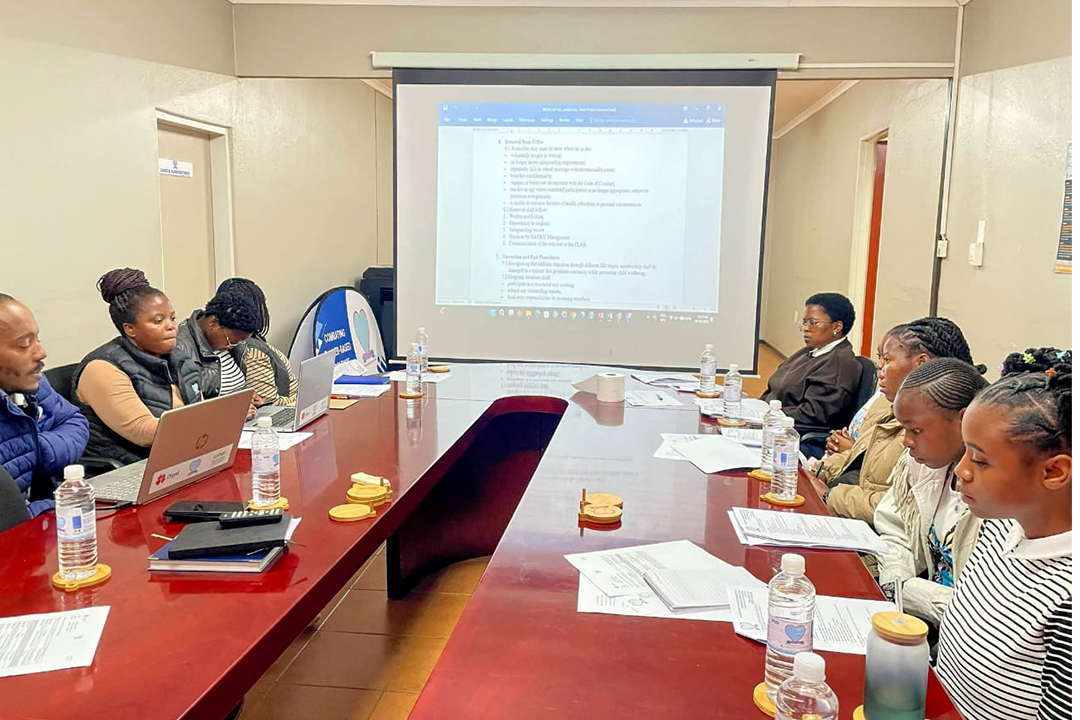
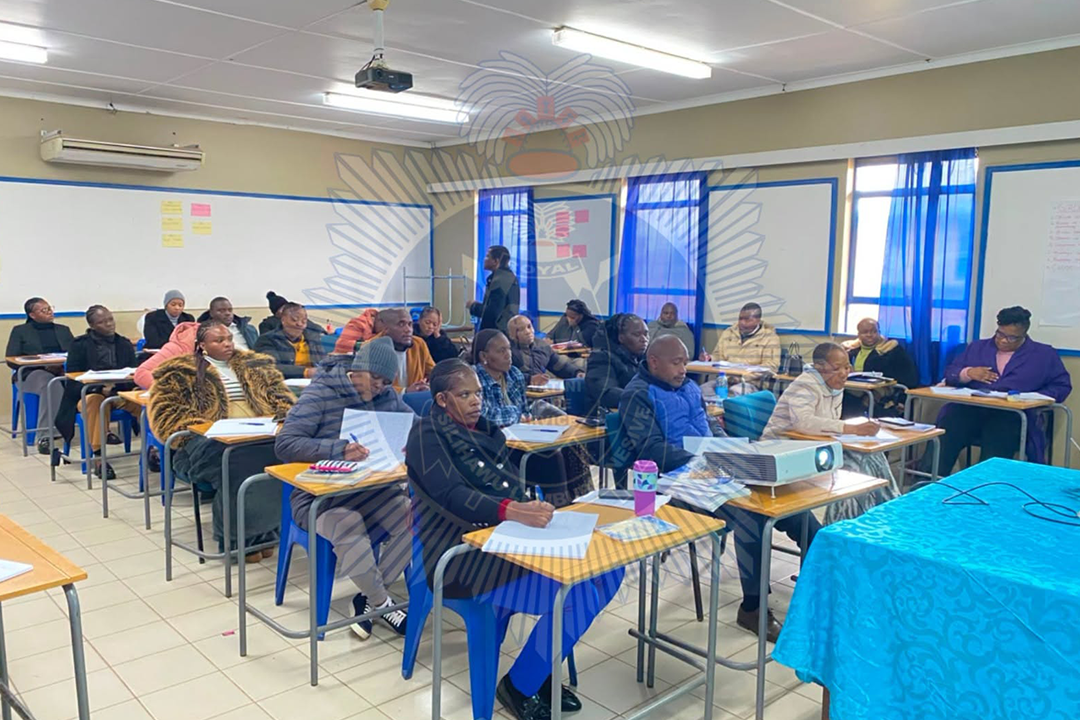
It is against this backdrop that Eswatini is strengthening the way children are treated when they come into contact with law enforcement, with 30 officers from the Royal Eswatini Police Service (REPS) undergoing specialised training in child-sensitive investigation and support techniques.
The officers, drawn from the Domestic Violence, Child Protection and Sexual Offences Unit, represent 25 police stations across the country.
Their participation means the skills gained through the programme will not remain concentrated in one area, but can be taken back to communities across Eswatini where children and families may need professional and compassionate assistance.
The training, supported by UNICEF, also brings together expertise from the Ministry of Health and the Office of the Director of Public Prosecutions (ODPP), creating a coordinated approach involving the police, health professionals and the justice system.
At the heart of the programme is a simple but important principle: when a child speaks about abuse, violence or another traumatic experience, the adults entrusted with helping that child must know how to listen.
Children can find it extremely difficult to recount painful experiences, particularly to unfamiliar adults in an official environment. How police officers ask questions, respond to emotions and handle sensitive information can therefore have a major bearing on a child’s experience.
The specialised training is aimed at helping officers engage children with patience, dignity and professionalism while ensuring that their rights remain protected throughout investigations.
It also recognises that cases involving children often require much more than a police investigation.
A child may need medical attention, psychosocial assistance, legal protection or other forms of support. Bringing together police, health and prosecution authorities therefore strengthens the possibility of a coordinated response rather than leaving vulnerable children and their families to navigate different institutions on their own.
The involvement of officers from 25 police stations is particularly significant because it broadens the reach of improved child-protection practices.
Instead of strengthening services only at national or regional level, the initiative has the potential to improve the experience of children who seek assistance at police stations closer to their homes and communities.
UNICEF’s support also highlights the importance of partnerships in strengthening national systems established to safeguard children and uphold their rights.
For Eswatini, the programme goes beyond adding another qualification to the professional records of 30 police officers.
It is ultimately about what happens when a vulnerable child walks into a police station carrying a painful story.
It is about whether that child feels safe enough to speak, whether the officer listening understands how to respond, and whether the justice, health and protection systems can work together to provide the assistance needed.
Every carefully handled interview, respectful investigation and properly coordinated intervention can strengthen public confidence in institutions designed to protect children.
As the 30 officers return to their respective stations equipped with enhanced skills, their training could make a meaningful difference in how child victims and witnesses experience the justice system across Eswatini.
For a child already facing fear, confusion or trauma, seeking justice should never become another ordeal.
When a child finds the courage to speak, the system must be ready to listen — and ready to protect.
Post Views: 194